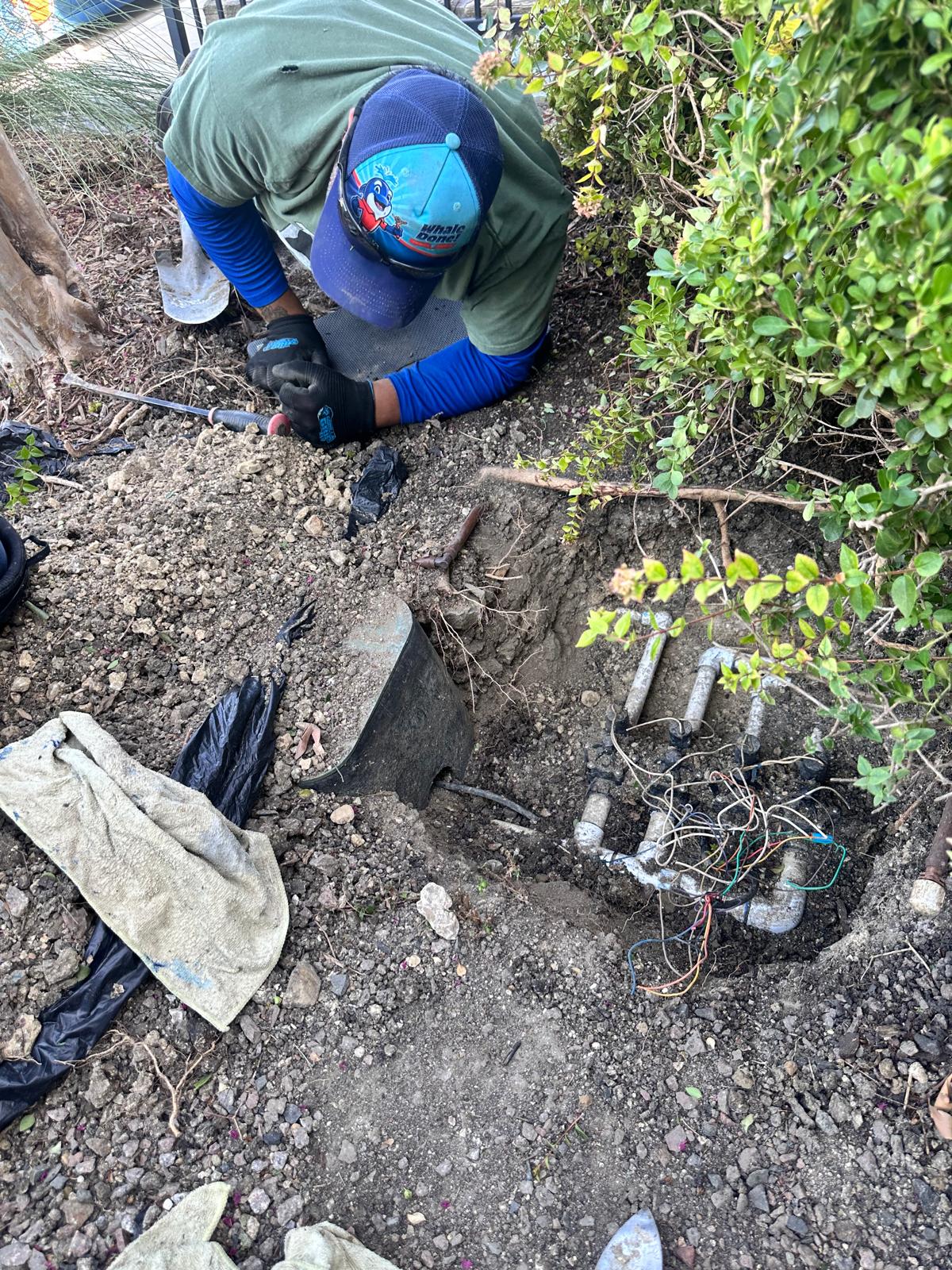
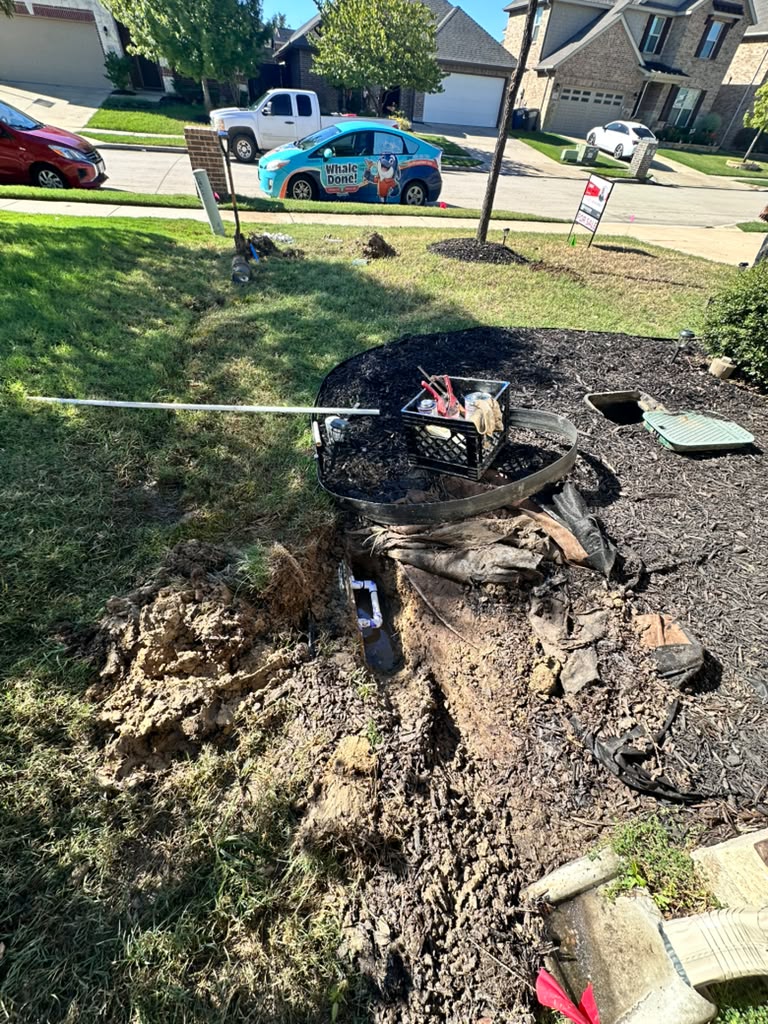
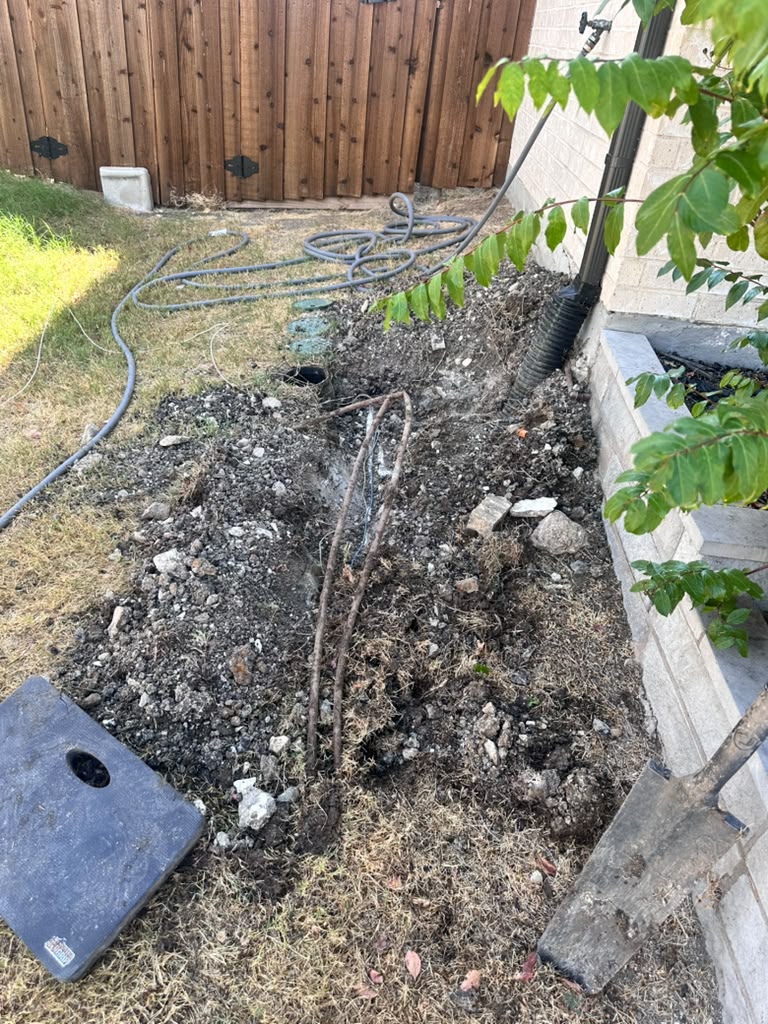
Irrigation repair in Little Elm TX is typically needed when a single zone loses water pressure while the rest of the system runs normally, since this pattern usually points to a cause isolated within that specific zone rather than the entire system. A drop affecting only one area is different from a system-wide pressure issue and often has a more straightforward fix. This guide explains what usually causes single-zone pressure drops, what homeowners can check first, and when it’s time to call in a technician.
At A Glance
- Difficulty: Easy to identify, moderate to diagnose without tools
- Time to Assess: 10–15 minutes running each zone individually
- Who Can Help: A licensed sprinkler technician for pressure testing and valve inspection
- Works For: Systems where one zone underperforms while others work fine
- May Not Solve: System-wide pressure issues, which have different underlying causes
Why A Single-Zone Pressure Drop Is Different
When only one zone loses pressure while the rest of the system performs normally, the problem is almost always specific to that zone’s valve, piping, or heads—not the property’s overall water supply. This is a helpful distinction, since it usually narrows the search significantly.
A system-wide pressure drop, by comparison, often points to the water meter, main line, or a citywide supply issue. Recognizing which pattern you’re dealing with is the first step toward an efficient repair.
This distinction also affects cost. A single-zone issue typically requires attention to one valve or one section of pipe, while a system-wide problem may involve the main water line or the property’s overall service connection, which is a more involved repair.
Common Causes Of Pressure Loss In One Zone
1. A Partially Closed Or Failing Valve
Each zone typically has its own valve controlling water flow. If a valve doesn’t open fully, or is beginning to fail, that zone will receive less water than others, even though the rest of the system operates normally.
2. A Leak Along That Zone’s Piping
A leak specific to one zone’s line reduces the pressure available to reach the sprinkler heads at the end of that run. This is especially common in older systems or after nearby digging or landscaping work.
3. A Clogged Or Damaged Nozzle
If only a portion of a zone shows weak pressure while the rest sprays normally, one or two clogged or damaged nozzles are often the cause, rather than a valve or pipe issue.
4. Debris Or Sediment In The Line
Dirt, sand, or mineral buildup can accumulate in a specific zone’s piping over time, gradually restricting flow. This tends to develop slowly, so the pressure drop may be gradual rather than sudden.
5. A Zone With Too Many Heads For Available Flow
If a zone was expanded over time—more heads added without adjusting for available flow—it may simply be asking for more water than the line can efficiently supply, leading to lower pressure across that zone.
6. A Cracked Or Damaged Section Of Pipe
Physical damage from freezing, settling soil, or accidental digging can crack a section of pipe within a specific zone, allowing water to escape before it reaches the heads. This type of damage sometimes goes unnoticed for weeks if the leak isn’t large enough to surface visibly.
What Homeowners Can Check Before Calling For Repair
A few basic observations can help narrow down the cause before a technician arrives:
- Note whether the pressure drop is affecting the whole zone evenly or just certain heads
- Check for any unusually wet or soggy areas along that zone’s likely piping path
- Confirm the valve for that zone opens fully when the system runs
- Look for visible debris blocking individual nozzles
Common Mistakes Homeowners Make
- Assuming a single-zone issue means the whole system needs attention. This can lead to unnecessary system-wide repairs when the cause is isolated.
- Only checking the visible heads and skipping the valve. Valve issues are a common and sometimes overlooked cause of single-zone pressure loss.
- Waiting too long to investigate a gradual decline. A slowly worsening pressure drop is often easier to fix before it becomes a full failure.
- Not checking for soggy soil near the zone’s piping. This is one of the most reliable early signs of an underground leak.
- Adjusting nozzles repeatedly without addressing a valve or pipe issue. If pressure keeps returning to the same low level, adjustments alone won’t solve it.
- Assuming the issue will resolve on its own. Pressure drops caused by a leak or failing valve typically worsen gradually rather than improving without intervention.
- Overlooking recent yard work as a possible cause. Digging for landscaping, fencing, or utility work near that zone’s piping is a common, easily overlooked trigger for a new pressure issue.
Local Considerations For Little Elm TX
A few regional factors can influence how single-zone pressure issues develop in this area:
- Clay soil: Common throughout Little Elm, clay soil shifts with seasonal moisture changes, which can gradually crack or stress buried piping in a specific zone before affecting the rest of the system.
- Summer heat: Extended high temperatures increase water demand, which can make an already-developing pressure issue more noticeable during peak season.
- Water restrictions: Little Elm, like much of North Texas, follows watering schedules tied to address or day of week, especially during drought stages. A malfunctioning valve should be addressed promptly to avoid uneven watering that could raise compliance questions.
- Lakeside and newer developments: Little Elm has seen substantial growth near Lewisville Lake and throughout newer neighborhoods, and irrigation systems in recently built homes sometimes experience zone-specific settling issues in their first few years.
- Freeze risk: Sudden North Texas freezes can crack exposed piping or fittings in a single zone without affecting others, particularly in areas with less soil coverage over the line.
- Proximity to Lewisville Lake: Homes closer to the lake may have higher water tables in certain seasons, which can sometimes mask or delay the visible signs of a leak, such as soggy soil, since the surrounding ground already holds more moisture.
Related Problems That Can Look Like A Single-Zone Pressure Drop
Some issues resemble a single-zone pressure problem but stem from a different cause entirely:
- A controller programming error causing one zone to run for a shorter duration than intended
- A rain sensor or smart controller setting reducing watering for a specific zone
- Overlapping zones where one is compensating for another’s coverage gap
- A recently adjusted head redirecting spray away from its intended area
Homeowners can review Whale Done’s guides on common irrigation problems and signs your sprinkler system needs repair to help distinguish between these possibilities.
When To Call A Technician
A basic visual check can rule out obvious causes like clogged nozzles or debris, but confirming a valve issue, leak, or pipe damage typically requires pressure testing and, in some cases, locating and exposing the affected section of pipe. If the pressure drop persists after checking the basics, or if soggy soil suggests a possible leak, it’s a reasonable point to bring in a licensed technician rather than continuing to guess.
A technician can also confirm whether the issue is truly isolated to one zone or whether it’s an early sign of a broader problem that hasn’t yet affected other areas, which is difficult to determine through observation alone.
Frequently Asked Questions
Why does only one zone lose pressure while the others work fine?
This pattern usually points to a valve, pipe, or nozzle issue specific to that zone, rather than a problem with the home’s overall water supply.
Can a clogged nozzle really cause a noticeable pressure drop?
A single clogged nozzle typically causes localized weak spray rather than a drop across the entire zone. Multiple clogged nozzles, however, can create a more noticeable overall effect.
How do I know if the issue is a valve versus a leak?
A valve issue often shows consistent low pressure throughout the zone, while a leak may also come with soggy soil or a visible wet area along the piping path.
Is a single-zone pressure drop urgent?
It’s not usually an emergency, but addressing it sooner rather than later helps prevent further water waste or damage, especially if a leak is involved.
Can seasonal changes affect pressure in just one zone?
Yes, particularly with clay soil, since shifting ground can affect specific piping sections differently depending on their location. Resources from the EPA’s WaterSense program and the Irrigation Association offer general guidance on maintaining consistent system pressure and efficiency.
Bottom Line
Irrigation repair in Little Elm TX is generally needed when a single zone shows a pressure drop while the rest of the system performs normally, since the cause is usually isolated to that zone’s valve, piping, or heads. Identifying the pattern early makes the repair simpler and less costly.
Next Step
If one zone continues to show weak pressure after checking for obvious causes like clogged nozzles, it’s worth scheduling a diagnostic visit with a licensed technician. This is especially useful if soggy soil or a gradual decline suggests a developing leak, since catching it early typically means a smaller, more affordable repair.
Related Resources
- Sprinkler System Maintenance Tips
- Signs Your Irrigation System Needs Repair
- How Often Should You Service Your Sprinkler System
Conclusion & Call To Action
A pressure drop in just one zone usually means irrigation repair in Little Elm TX can stay focused and affordable, since the cause is typically isolated rather than system-wide. Catching it early keeps the fix simple. If one zone keeps underperforming after basic checks, a licensed sprinkler professional can pinpoint the exact cause and get that area back to full, even coverage.