Diagnosing the actual cause of a sprinkler problem before irrigation repair in McKinney TX prevents homeowners from replacing the wrong part, spending money on a fix that doesn’t solve the issue, or dealing with the same problem again a few weeks later. Many sprinkler symptoms, like a dry patch or uneven watering, can be caused by several different issues, from a clogged nozzle to a pressure problem to a failing valve. Without a proper diagnosis, it’s easy to replace a component that wasn’t actually the problem. A short diagnostic step at the start of a repair almost always saves time and money in the long run.
At A Glance
- Difficulty: Moderate (diagnosis often requires more skill than the repair itself)
- Estimated Time: 15–45 minutes for a proper diagnosis before any repair work begins
- Tools Needed: Pressure gauge, multimeter, controller manual, flashlight for valve box inspection
- Works For: In-ground sprinkler systems, drip zones, and hybrid setups of any age
- May Not Solve: Problems originating outside the property, such as municipal water pressure issues
Why Diagnosis Comes Before Repair
A sprinkler system’s symptoms don’t always point clearly to their cause. A dry patch of lawn could mean a broken head, a clogged nozzle, low pressure, or even a valve that isn’t fully opening. Jumping straight to a repair based on a guess often means fixing something that wasn’t actually broken.
Proper diagnosis narrows down the real cause before any parts are replaced or any digging begins. This matters even more for issues that aren’t visible on the surface, like a valve problem or an underground leak, where guessing wrong can mean unnecessary excavation or a replaced part that doesn’t resolve anything.
Think of it the same way a doctor wouldn’t prescribe treatment based only on a single symptom without running any tests. A sprinkler system works the same way, several different problems can produce the exact same visible symptom, so identifying the actual cause is what makes the repair effective.
What A Proper Diagnosis Typically Involves
1. Reviewing The Symptom Carefully
The first step is understanding exactly what’s happening: is the issue limited to one head, one zone, or the whole system? Is it affecting water pressure, timing, or coverage? These details narrow down the possible causes significantly.
Writing down when the issue started, and whether anything changed around that time, like a landscaping project or a recent freeze, can also provide useful clues before any testing even begins.
2. Testing Water Pressure
Since so many symptoms can be traced back to pressure issues, checking pressure at the source and at the affected zone helps rule this cause in or out early.
Comparing pressure readings between a working zone and the problem zone often makes it immediately clear whether pressure is the issue or something else needs to be investigated.
3. Running The Affected Zone Manually
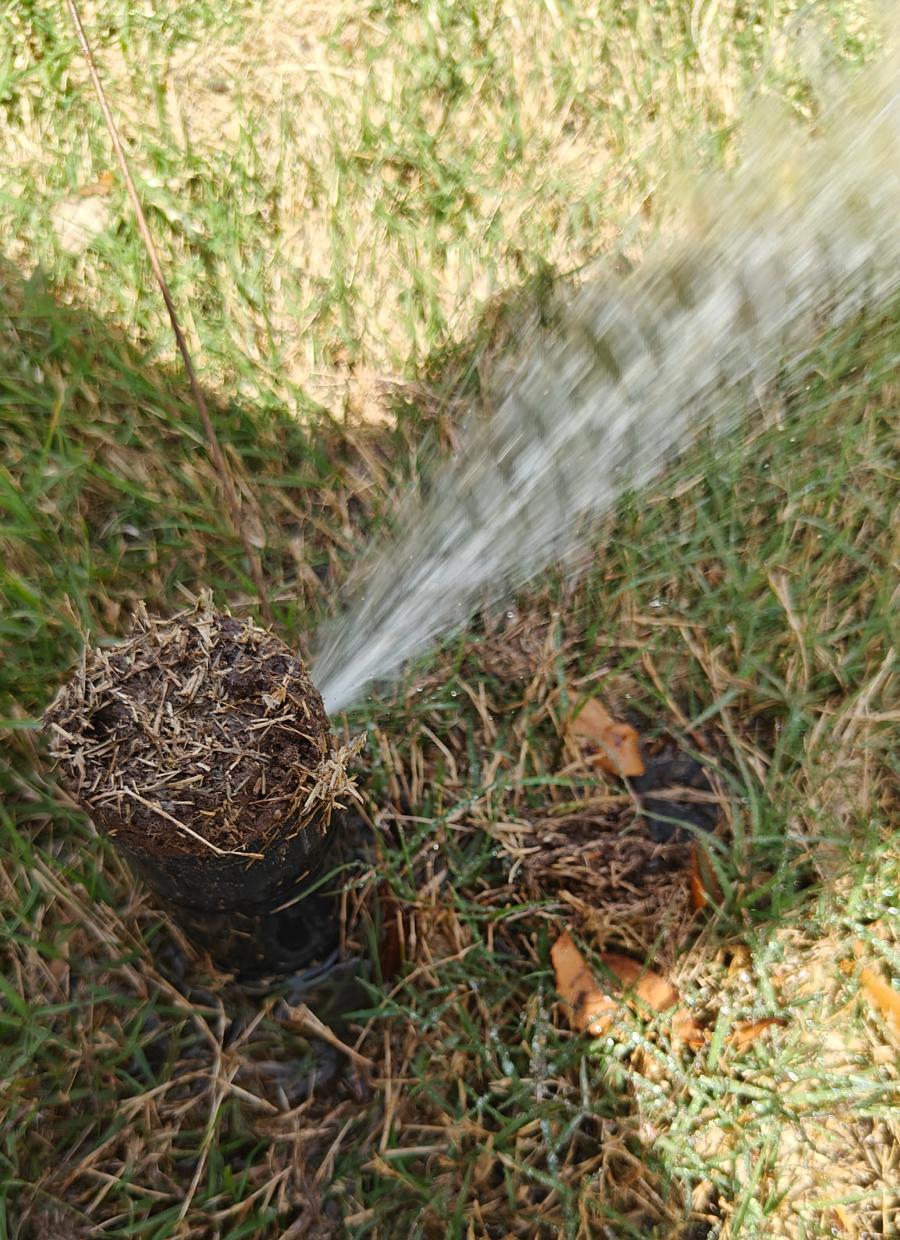
Manually activating the zone allows for a direct visual inspection of spray patterns, head function, and valve response, rather than relying on guesswork from a distance.
Watching the zone run from start to finish, rather than just glancing at it briefly, often reveals timing or coverage issues that wouldn’t be obvious from a quick look.
4. Checking The Valve And Wiring
If a zone isn’t responding at all, testing the valve manually and checking the wiring connection to the controller helps determine whether the issue is mechanical or electrical.
This distinction matters because the fix for each is completely different, a mechanical issue calls for valve repair, while an electrical issue often means checking wire connections instead.
5. Reviewing Controller Programming
Sometimes what looks like a hardware problem is actually a programming issue, like an incorrect run time or a zone that’s been accidentally disabled.
This step is quick to check but easy to overlook, especially since it’s tempting to assume a physical component is at fault before ruling out something as simple as a setting.
6. Inspecting For Leaks Or Soil Changes
Soggy patches, unusually green grass, or shifting soil near a suspected problem area can point toward an underground leak rather than a surface-level issue.
This step is often the one homeowners skip, since it requires walking the property carefully rather than just focusing on the specific head or zone that seems affected.
Why Skipping Diagnosis Often Costs More
Repairing based on a guess can lead to a cycle of trial-and-error fixes that end up costing more than a single accurate diagnosis would have.
- Replacing a head when the real issue is low pressure means the new head shows the same symptom shortly after.
- Replacing a valve when the actual problem is a wiring issue means the zone still won’t respond correctly.
- Adjusting controller programming when the real cause is a stuck valve means the schedule change doesn’t fix anything.
- Digging to search for a leak without first narrowing down its general location can result in unnecessary yard damage.
Common Mistakes Homeowners Make
- Replacing the most visible or easiest part first. A broken head might be the symptom, not the actual cause, of a larger issue.
- Skipping pressure testing. Pressure problems affect many parts of a system and are easy to overlook without a proper test.
- Assuming a single repair will fix a recurring issue. If the same problem keeps returning, the underlying cause likely hasn’t been addressed yet.
- Not checking wiring before assuming a valve is bad. A valve that tests fine manually but doesn’t respond to the controller often points to a wiring issue instead.
- Digging before narrowing down a leak’s location. This can lead to unnecessary damage and a longer repair process overall.
Local Considerations For Irrigation Repair in McKinney TX
McKinney’s climate and soil conditions make an accurate diagnosis especially valuable:
- Clay soil, common throughout McKinney, can hide leaks and shift components in ways that make guessing at the cause less reliable than in sandier soils.
- A mix of system ages across the city, from newer developments to established neighborhoods, means the likely cause of a given symptom can vary significantly by property.
- Summer heat puts extra strain on the system, making pressure-related symptoms more common and sometimes harder to distinguish from head or nozzle issues.
- Water restrictions set by the City of McKinney make it worth confirming controller settings are actually the cause before assuming a mechanical repair is needed.
- Freeze risk in winter can cause damage that doesn’t show up until spring, making a careful diagnosis important when multiple issues appear at once after a hard freeze.
- Foundation movement, a known concern in North Texas clay soil, is one more reason accurate diagnosis matters, since misdiagnosing an uneven watering issue can allow soil movement to continue unaddressed.
Homeowners can review current outdoor watering guidance through the City of McKinney’s water conservation page and general irrigation efficiency standards from the EPA WaterSense program.
Given how varied McKinney’s housing stock has become over the past decade, from decades-old established homes to brand-new construction, the most likely cause of a given symptom can look very different from one property to the next, which is exactly why a real diagnosis matters more than a general assumption.
Related Problems That Diagnosis Can Help Rule Out
A proper diagnosis often reveals that the actual issue is different from the initial assumption, including:
- A pressure problem mistaken for a broken head
- A wiring issue mistaken for a failing valve
- An underground leak mistaken for simple overwatering
- Outdated controller programming mistaken for a hardware failure
Learn more in Whale Done’s guide to common sprinkler system problems.
Frequently Asked Questions
Why can’t I just replace the part that looks broken?
A part that looks broken, like a head with weak spray, might actually be a symptom of a different issue, such as low pressure or a partially closed valve. Replacing it without diagnosing the real cause often doesn’t solve the problem.
How long does a proper sprinkler diagnosis take?
Most diagnoses take between 15 and 45 minutes, depending on how many zones or components need to be checked before the cause is identified.
Can I diagnose sprinkler problems myself before calling for repair?
Basic checks, like running a zone manually and looking for obvious issues, can be done by a homeowner. More detailed diagnostics, like pressure testing and wiring checks, often benefit from professional tools.
What happens if a repair is done without a proper diagnosis first?
The repair may not fix the actual issue, leading to the same symptom returning shortly after, along with the added cost of an unnecessary part replacement.
Is irrigation repair in McKinney TX approached differently because of local conditions?
The diagnostic process is similar everywhere, but McKinney’s clay soil and mix of system ages make it especially important to confirm the actual cause rather than assuming based on the symptom alone.
Bottom Line
Diagnosing the actual cause of a sprinkler issue before starting repairs saves time, money, and prevents the same problem from returning. Irrigation repair in McKinney TX is most effective when the diagnostic step comes first, ruling out pressure issues, wiring problems, and programming errors before any parts are replaced. A little time spent diagnosing almost always pays off compared to guessing and repeating the repair later.
When Professional Help May Be Beneficial
Testing water pressure accurately, checking wiring connections, and interpreting valve behavior often require tools and experience most homeowners don’t have on hand. A licensed sprinkler company can perform a thorough diagnosis before recommending any repair, helping avoid unnecessary part replacements and getting the system working correctly the first time.
Related Resources
- Signs Of A Sprinkler Valve Problem
- How To Adjust Sprinkler Heads For Better Coverage
- Can A Small Irrigation Leak Waste Water In McKinney TX?
Conclusion & Next Step
A proper diagnosis before any repair prevents wasted money on the wrong fix and stops the same problem from coming back. Irrigation repair in McKinney TX works best when the real cause is identified first, whether it’s pressure, wiring, or a valve issue. If a sprinkler problem keeps returning despite past repairs, a licensed sprinkler company can pinpoint the actual cause and fix it correctly.