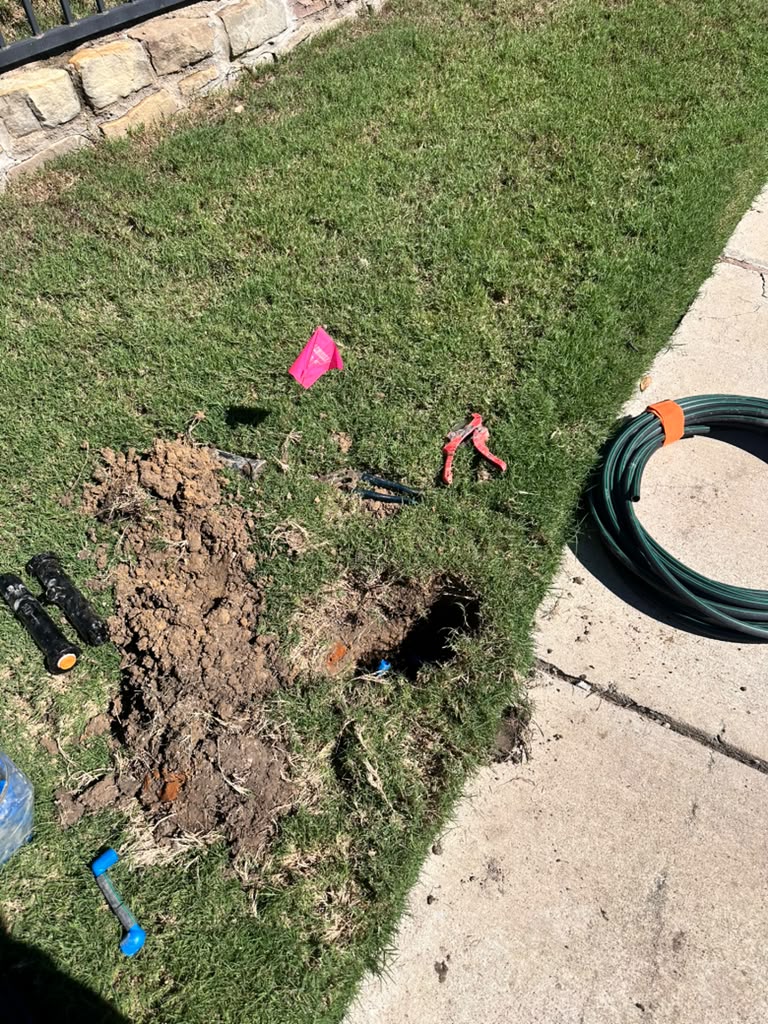
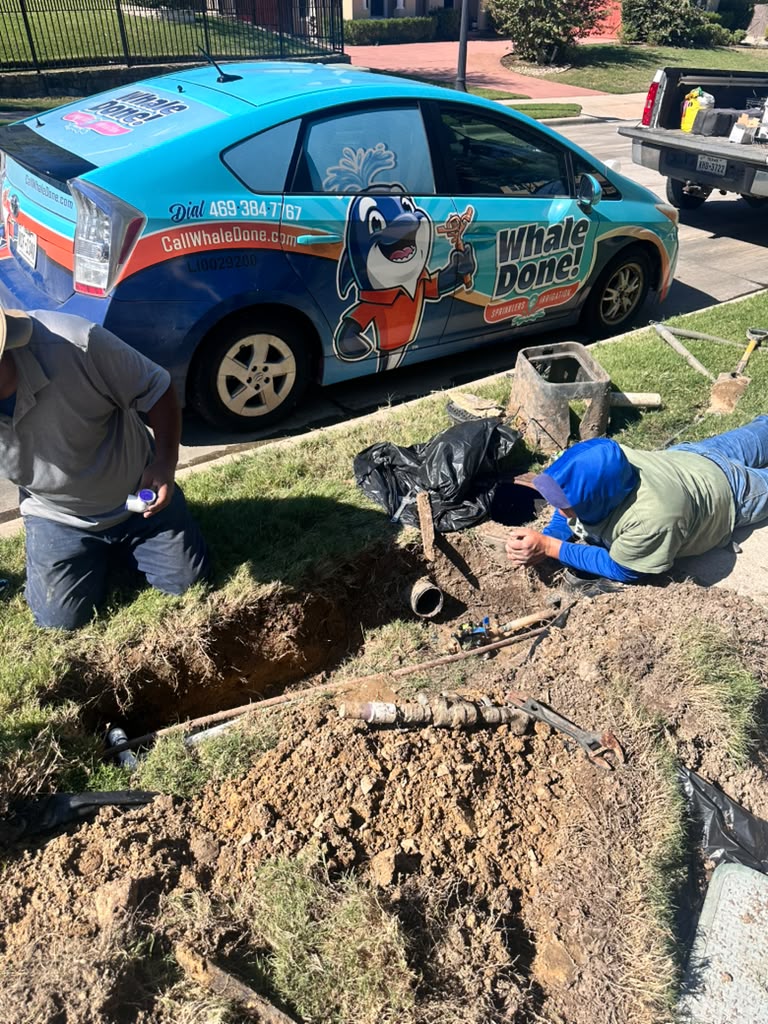
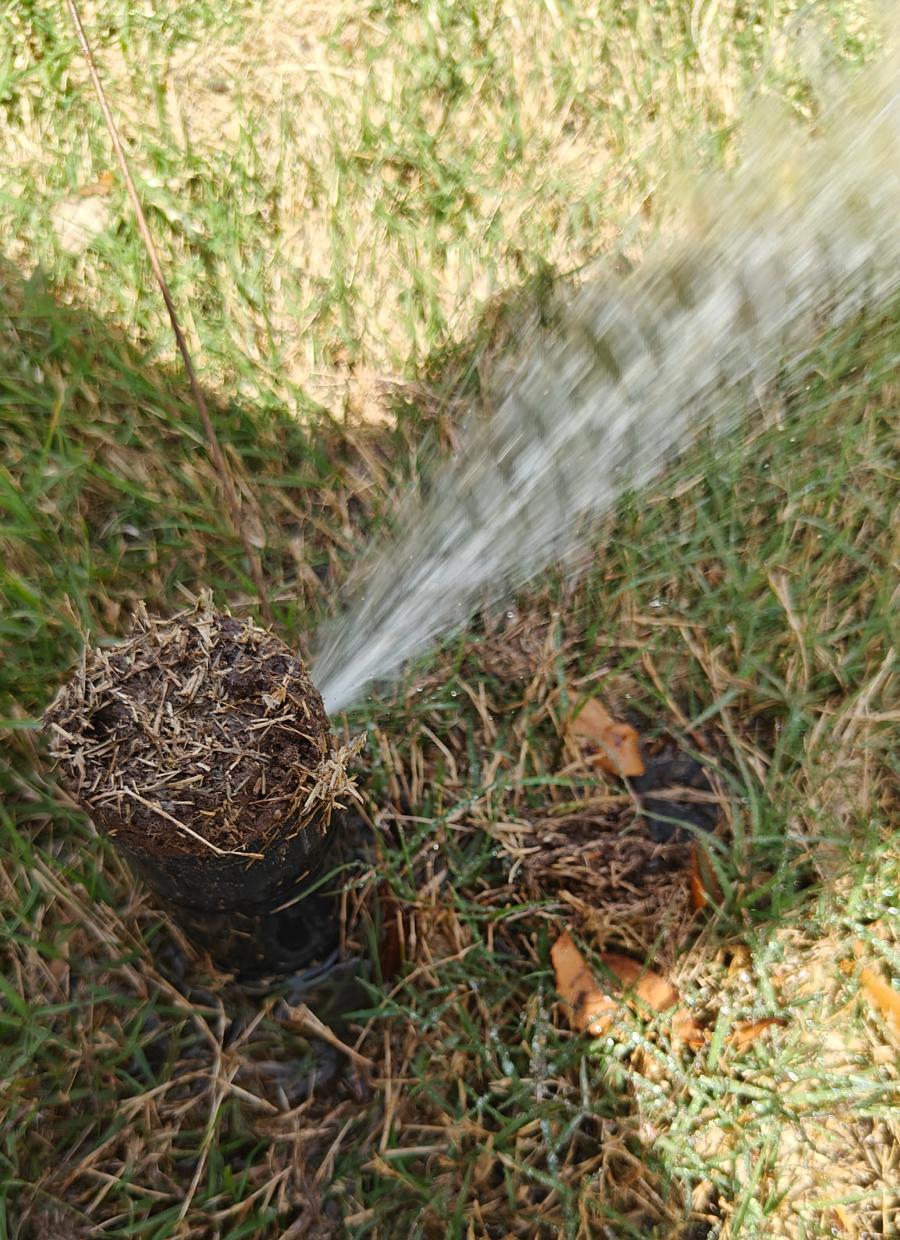
A new head that still doesn’t spray correctly is more common than most homeowners expect, and it usually points to a fixable cause rather than a defective part, which is why sprinkler head repair in Wylie TX often solves the problem quickly once the actual cause is identified. In most cases, the issue comes down to incorrect installation height, a mismatched nozzle, trapped debris, low water pressure, or a head that isn’t compatible with the rest of the zone. Some of these are simple adjustments. Others require checking pressure or swapping components to match the zone’s design.
This article explains why a brand-new head can still spray unevenly, what to check first, and when it’s worth bringing in a professional.
At a Glance
- Difficulty: Easy to moderate
- Estimated Time: 15–30 minutes to diagnose; up to an hour to correct
- Tools Needed: Small screwdriver, adjustment tool or wrench, garden gloves
- Works For: Nozzle mismatches, debris blockages, height and arc issues
- May Not Solve: Low system pressure, valve sizing problems, or zone design issues
Why a New Head Still Sprays Incorrectly
It’s a common assumption that a new sprinkler head should work perfectly right out of the box. In practice, a head is only one part of a larger system, and it has to match the pressure, nozzle type, and layout of the zone it’s installed in.
A few common causes include:
- The nozzle included with the new head doesn’t match the original nozzle’s spray pattern or distance
- The head was installed at the wrong height, either too low or tilted, which affects spray direction
- Dirt or debris got into the head during installation and is blocking part of the nozzle
- The zone’s water pressure is too high or too low for that particular head model
- The head isn’t compatible with the brand or series already used elsewhere in the zone
Wylie’s mix of older and newer developments means irrigation systems can include a variety of head brands and ages, which makes mismatches more likely when only one head is replaced instead of the full zone.
Step-by-Step: What to Check First
1. Confirm the Nozzle Matches the Zone
Compare the new head’s nozzle to the nozzles on neighboring heads in the same zone. If the spray distance or pattern is different, it can throw off coverage even if the head itself works properly.
2. Check the Installation Height
The top of the head should sit level with the surrounding soil or grass. A head that’s installed too low can have its spray blocked by grass or dirt, while one installed too high can create an uneven or angled spray.
3. Run the Zone and Watch the Pattern
Turn on the zone and observe the new head next to at least one working head. Look for weak spray, spray going in the wrong direction, or water pooling near the base instead of reaching the intended area.
4. Remove the Nozzle and Check for Debris
With the water off, the nozzle can be removed and rinsed to check for trapped dirt, sand, or grass clippings. This is a common culprit right after installation or nearby digging.
5. Check Water Pressure at the Head
If the spray looks misty or overly fine, pressure may be too high. If it barely reaches the ground, pressure may be too low. A pressure gauge attachment can confirm the actual reading at that specific head.
6. Compare Head Brands and Series
Not all heads are interchangeable, even within the same general size and type. Mixing brands or series in the same zone can create pressure and spray inconsistencies that aren’t obvious just by looking at the head.
If the spray pattern is still off after checking these items, the issue is likely tied to the zone’s pressure or design, and that’s typically when sprinkler head repair in Wylie TX from a licensed technician becomes the more reliable path forward.
Common Mistakes Homeowners Make
- Assuming a new part means the problem is solved. A new head installed incorrectly can perform worse than an old one that was properly adjusted.
- Mixing nozzle types without checking compatibility. Nozzles are often rated for specific pressure and distance ranges.
- Installing the head at an angle. Even a slight tilt changes the spray direction significantly.
- Ignoring pressure differences across the yard. Heads farther from the valve often receive less pressure than those closer to it.
- Skipping a test run before finishing the job. Testing the zone immediately after installation catches issues before soil is replaced around the head.
Local Considerations for Wylie, TX
A few factors specific to this area affect how sprinkler heads perform once installed:
- Clay-heavy soil common throughout Wylie can shift slightly after installation, sometimes changing the head’s angle within the first few weeks.
- Hot, dry summers increase evaporation, which can make a slightly misaligned head’s coverage gap more noticeable than it would be in cooler months.
- Local watering schedules set by the City of Wylie mean it’s worth confirming the zone still runs within approved days and times after any head replacement.
- Older neighborhoods with mixed irrigation brands are more likely to have compatibility issues when only one head in a zone is replaced.
Homeowners can check current outdoor watering guidelines through the City of Wylie’s water conservation page, which outlines seasonal restrictions that may affect testing and adjustment timing.
Related Problems That Look Similar
If checking the head itself doesn’t resolve the issue, a few related problems can cause similar symptoms:
- Low zone-wide water pressure, which affects every head in that zone, not just the new one
- A partially closed valve, reducing flow to the entire zone
- Nearby leaks in the lateral line, which can reduce pressure reaching heads farther down the line
- Controller programming issues, which can cause a zone to run for too short a time to notice full coverage
If multiple heads in the same zone seem weak, not just the new one, it may be worth reviewing what causes low water pressure in a single irrigation zone before replacing additional parts.
Frequently Asked Questions
Could the new head just be defective?
It’s possible, but less common than installation or compatibility issues. Testing it against a known-working head in a different zone can help rule this out.
Why does the new head spray fine by itself but not with the rest of the zone running?
This usually points to a pressure-sharing issue, where running multiple heads at once reduces the pressure available to each one, especially if the new head requires a different pressure range than the others.
Does the brand of the sprinkler head really matter?
Yes. Nozzle sizing, pressure ratings, and spray patterns can vary between brands even when heads look similar, which is why matching brands within a zone often produces more consistent results.
Can I just adjust the arc and radius myself?
In many cases, yes. Most heads have a small adjustment screw or dial for arc and radius that doesn’t require any tools beyond a small screwdriver.
How do I know if the whole zone needs new heads instead of just one?
If several heads in the zone are old, mismatched, or worn, replacing just one can create uneven coverage. A licensed technician can evaluate whether zone-wide replacement makes more sense than a single fix.
Bottom Line
A new sprinkler head that still doesn’t spray correctly is usually caused by a nozzle mismatch, incorrect installation height, trapped debris, or a pressure imbalance within the zone, rather than a defective part straight out of the box. Many of these issues can be checked and corrected by a homeowner with basic tools and a little patience, especially nozzle swaps and height adjustments. When pressure problems, brand incompatibilities, or zone-wide inconsistencies are involved, sprinkler head repair in Wylie TX from a licensed irrigation professional can identify the real cause and prevent the same issue from repeating with the next replacement.
Next Step
If you’ve checked the nozzle match, installation height, and debris, and the head still isn’t spraying correctly, a licensed sprinkler technician can measure actual pressure at the head and confirm whether the zone’s design supports the new component properly before more parts are replaced unnecessarily.
Related Resources
- How to Adjust Sprinkler Heads for Better Coverage
- Understanding Water Pressure Problems in Irrigation Zones
- Signs of an Underground Irrigation Leak
- Choosing the Right Nozzle for Your Sprinkler System
Conclusion
A new sprinkler head that still sprays unevenly usually points to a nozzle mismatch, installation height, or pressure issue rather than a bad part. Homeowners can check several of these on their own before assuming anything is wrong with the head. If the spray pattern still looks off, professional sprinkler head repair in Wylie TX can pinpoint the actual cause and get consistent coverage across the zone. Reach out to a licensed local irrigation technician for a straightforward evaluation.