A sprinkler system check in Van Alstyne TX is one of the most important yet overlooked steps homeowners can take to protect their landscape, control water costs, and ensure long-term irrigation performance.
Van Alstyne’s climate presents a unique mix of seasonal rainfall, summer heat, and soil conditions that can quietly strain irrigation systems over time. Even systems that appear to be working normally may hide inefficiencies that increase utility bills, damage lawns, or waste water. A structured sprinkler system check helps uncover these issues early—before they become costly problems.
This guide explains why regular inspections matter, what a professional sprinkler system check involves, and how Van Alstyne homeowners can benefit from proactive irrigation maintenance.
Why Sprinkler System Checks Matter in Van Alstyne TX
Van Alstyne experiences hot summers, occasional drought conditions, and periodic heavy rainfall. These weather patterns place constant pressure on irrigation systems, especially those running on automatic schedules year-round.
Without routine inspections, small problems such as pressure imbalances, clogged nozzles, or failing valves can quietly reduce system efficiency. Over time, these issues lead to uneven watering, stressed turf, plant disease, and higher water usage.
According to the EPA, inefficient irrigation systems can waste thousands of gallons of water annually. A sprinkler system check ensures water is being delivered precisely where and when it’s needed.
What Is a Sprinkler System Check?
A sprinkler system check is a detailed inspection of all system components to confirm proper operation, coverage, and efficiency. It goes beyond simply turning the system on and watching sprinklers spray.
A comprehensive check evaluates mechanical performance, hydraulic balance, and programming accuracy. The goal is to ensure every zone delivers the correct amount of water without runoff, overspray, or dry areas.
Key Components Reviewed During a Sprinkler System Check
1. Sprinkler Heads and Nozzles
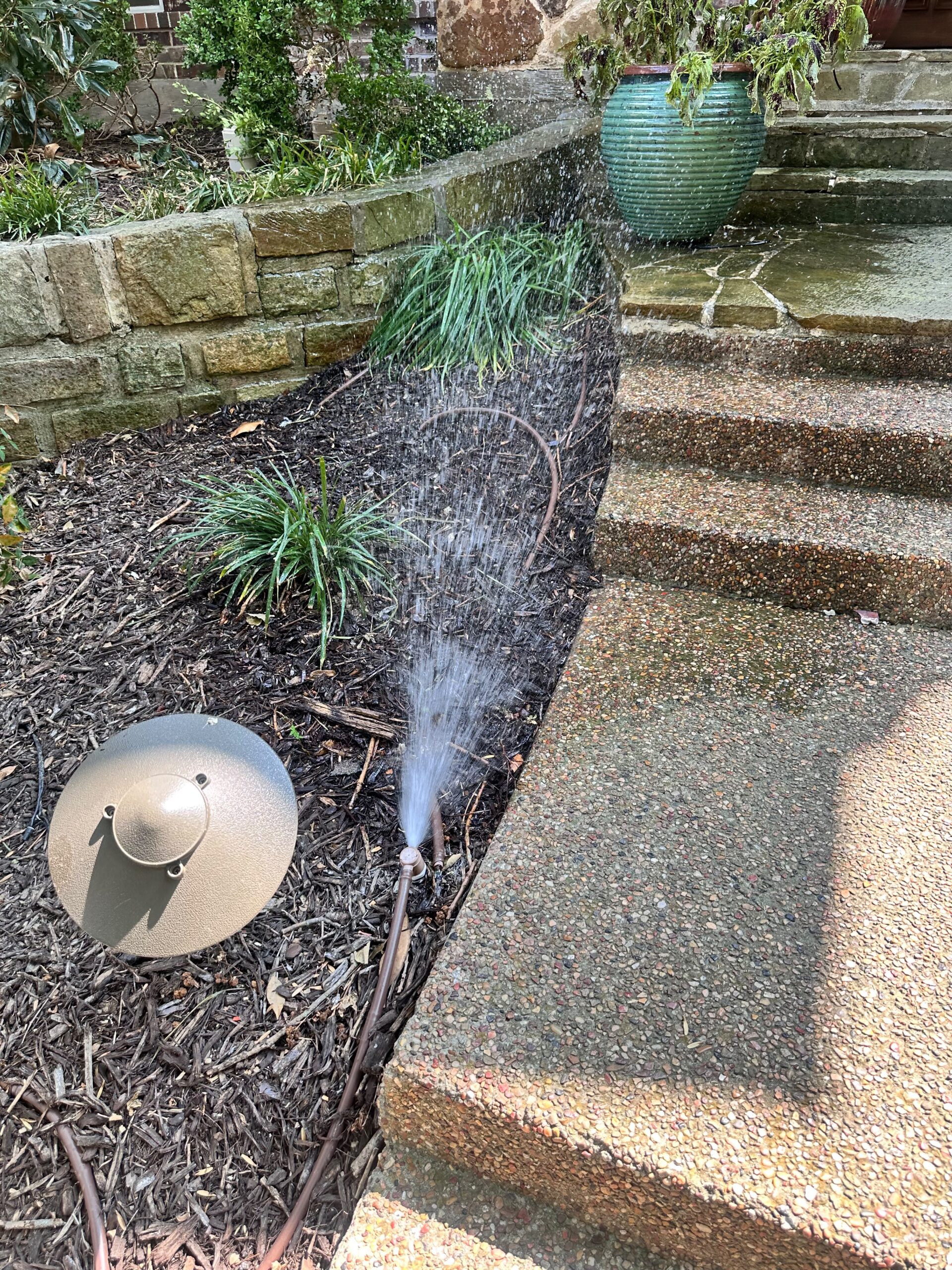
Sprinkler heads are the most visible part of the system and also one of the most vulnerable. Heads can become misaligned, clogged with debris, cracked, or buried over time.
During a system check, each head is examined to ensure:
- Proper spray pattern and arc
- Correct height above soil level
- No leaks, blockages, or damage
Even minor nozzle issues can significantly affect water distribution across your lawn.
2. Zone Coverage and Water Distribution
Each irrigation zone should provide consistent, overlapping coverage. Gaps or excessive overlap lead to dry patches or oversaturated soil.
A professional check identifies:
- Areas receiving too little or too much water
- Overspray onto sidewalks or driveways
- Mismatched sprinkler heads within the same zone
Correcting coverage issues improves turf health and reduces water waste.
3. Water Pressure and Flow Rate
Improper water pressure is a common but often unnoticed problem. Low pressure results in weak spray patterns, while excessive pressure can damage components and cause misting.
A sprinkler system check measures pressure levels to ensure:
- Sprinkler heads operate within manufacturer specifications
- Valves open and close correctly
- Pipes are not under unnecessary strain
Balanced pressure extends system lifespan and improves performance.
4. Valves and Underground Components
Valves control water flow to each zone and are typically buried underground. When valves malfunction, zones may not shut off completely or may fail to activate.
Inspection includes:
- Testing valve responsiveness
- Checking for internal leaks
- Ensuring clean electrical connections
Hidden valve problems often cause unexplained water usage spikes.
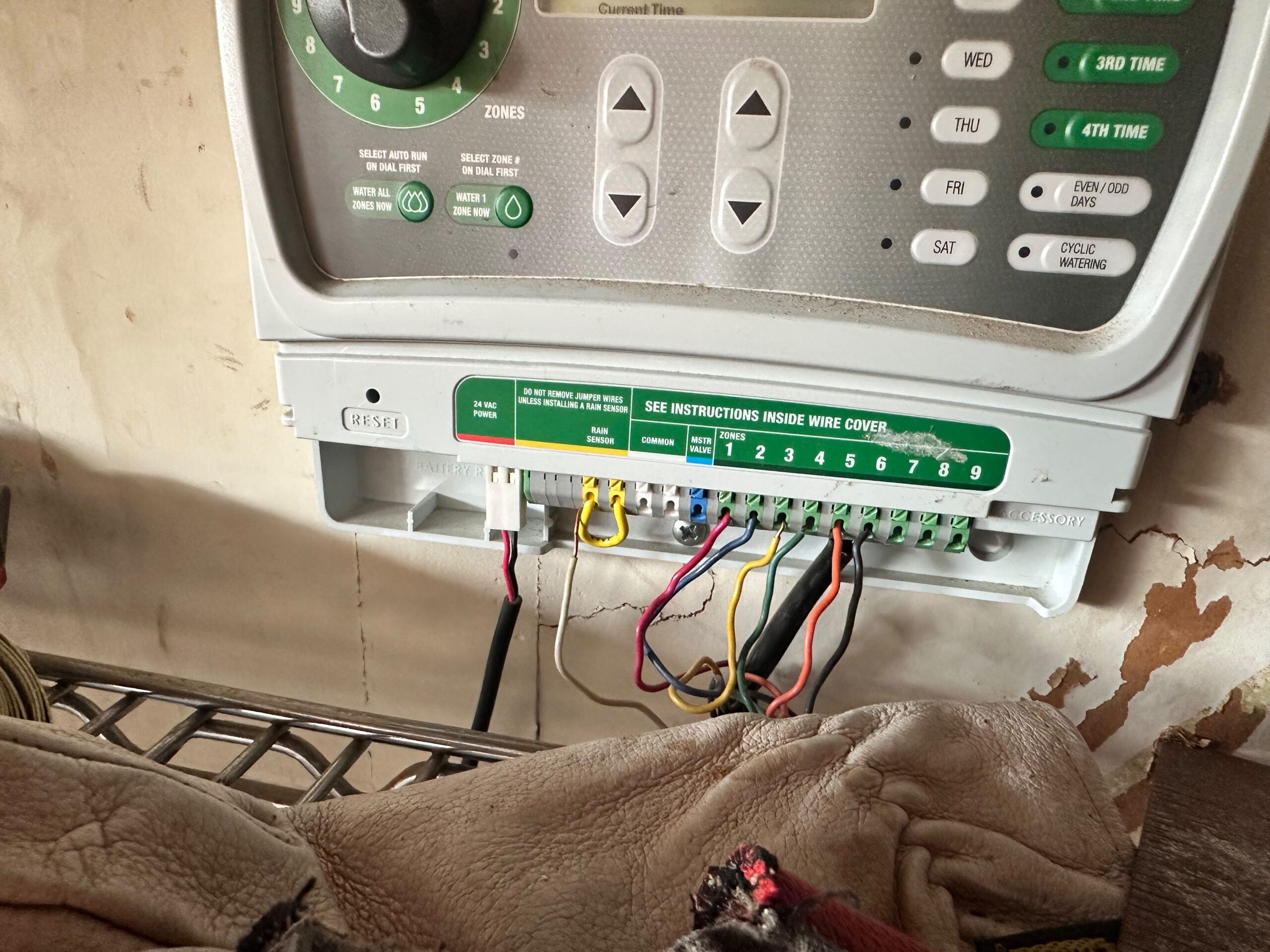
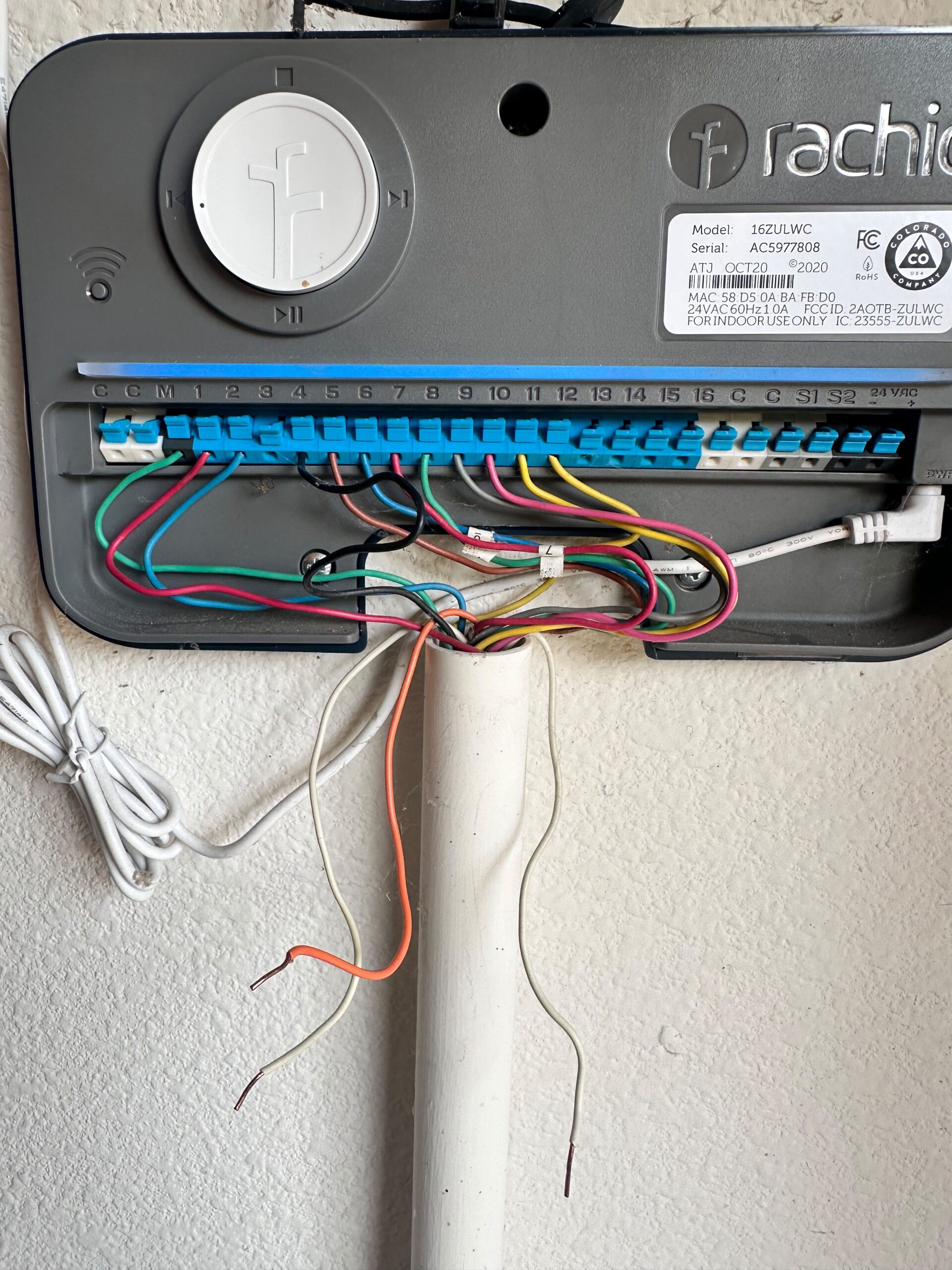
5. Controller and Programming Settings
Irrigation controllers are powerful tools—but only when programmed correctly. Many systems run outdated schedules that don’t reflect seasonal weather changes.
A system check reviews:
- Watering days and start times
- Run times per zone
- Seasonal adjustments and rain delay settings
Resources such as the Texas Water Development Board emphasize the importance of smart scheduling to conserve water in North Texas communities.
Seasonal Timing for Sprinkler System Checks
Spring Inspections
Spring is the most important time for a sprinkler system check. Systems that have been inactive during winter may develop leaks, cracked fittings, or electrical issues.
Spring checks prepare your system for peak watering demand and prevent early-season water loss.
Summer Efficiency Reviews
High temperatures place heavy demands on irrigation systems. A mid-summer check ensures your lawn is receiving enough water without waste.
Adjustments during summer often focus on:
- Fine-tuning run times
- Addressing stress on turf areas
- Preventing runoff during intense heat
Local weather data from Weather Underground can help guide seasonal irrigation adjustments.
Fall Adjustments
As temperatures cool, irrigation needs decrease. A fall system check reduces watering frequency and prepares components for winter conditions.
This step helps prevent overwatering and soil compaction during cooler months.
Signs Your Sprinkler System Needs Immediate Attention
Even between scheduled inspections, homeowners should watch for warning signs such as:
- Sudden increases in water bills
- Dry spots or uneven lawn growth
- Water pooling or runoff
- Sprinkler heads spraying erratically
- Zones failing to turn on or off
Any of these issues indicate it’s time for a professional sprinkler system check.
Water Efficiency and Environmental Responsibility
Efficient irrigation isn’t just about saving money—it’s also about conserving a valuable natural resource. North Texas communities benefit when homeowners take steps to reduce unnecessary water usage.
Organizations like the Irrigation Association promote best practices that align system performance with environmental responsibility.
A properly maintained sprinkler system helps:
- Reduce water waste
- Support healthier soil and root systems
- Protect local water supplies
DIY vs. Professional Sprinkler System Checks
While homeowners can perform basic visual inspections, professional checks provide deeper insights using specialized tools and experience.
DIY Checks Can Include:
- Observing sprinkler spray patterns
- Clearing visible debris
- Adjusting obvious misalignments
Professional Checks Offer:
- Pressure and flow testing
- Electrical diagnostics
- Valve performance evaluation
- Advanced coverage analysis
For long-term efficiency and peace of mind, professional inspections deliver greater value.
Long-Term Benefits of Routine Sprinkler System Checks
Regular sprinkler system checks provide benefits that extend far beyond immediate repairs:
- Lower monthly water bills
- Healthier, more resilient landscaping
- Fewer emergency repairs
- Longer system lifespan
- Improved property value
Consistent maintenance transforms irrigation from a reactive expense into a proactive investment.
Sprinkler System Checks and Property Value
Curb appeal plays a significant role in home value. A lush, evenly watered lawn signals proper care and maintenance to visitors and potential buyers.
An irrigation system that operates efficiently supports:
- Uniform turf growth
- Strong plant health
- Cleaner hardscapes without water damage
Routine checks ensure your outdoor spaces reflect the same level of care as the interior of your home.
Conclusion
A sprinkler system check is not just a maintenance task—it is a smart strategy for protecting your landscape, conserving water, and avoiding unnecessary repair costs. For homeowners in Van Alstyne, routine inspections ensure irrigation systems remain reliable, efficient, and aligned with local climate conditions.
If you are ready to schedule a professional inspection or need expert guidance, contact:
Whale Done Sprinklers & Irrigation
📞 Phone: +1 (469) 384-7767
📧 Email: clientsupport@callwhaledone.com
Proactive care today leads to healthier lawns, lower bills, and long-term peace of mind.