Irrigation leak repair in Fairview TX matters before seasonal shutdown because small leaks get harder to find, and often worse, once the system is turned off. A running system shows you where water is escaping. A drained system hides the problem until spring.
Fixing leaks in fall protects your water bill and keeps soil from staying saturated. It also keeps damaged pipes and valves from cracking further during a North Texas freeze. Most homeowners can spot the warning signs on their own, and a few repairs are worth handing to a licensed professional.
At a Glance
- Difficulty: Easy to moderate (spotting leaks); moderate to advanced (repairing pipes and valves)
- Estimated Time: 30-60 minutes to inspect an average yard
- Tools Needed: Flashlight, small shovel, flags or stakes, phone camera, replacement nozzles (optional)
- Works For: Broken heads, leaking nozzles, visible wet spots, unexplained water bill increases
- May Not Solve: Underground pipe breaks, failing valves, low pressure, or backflow issues
Why Leaks Matter More Before Shutdown
A leak is easiest to find while water is flowing. Once the system is off, the soil dries out and the wet spot disappears. The leak is still there, but you can no longer see it.
Leaks also don’t stay the same size. Pipes that are slightly cracked or loose at a fitting can split further when the soil around them swells and shrinks. In spring, you may turn the system on and find a small drip has become a geyser.
Here is what an unrepaired leak can lead to:
- Higher water bills all season, even when the system is barely used
- Soggy soil that attracts weeds, fungus, and mosquitoes
- Erosion around the leaking spot
- Pipe or valve damage that costs more to fix later
- A rough start to spring watering
What Does Irrigation Leak Repair in Fairview TX Involve Before Shutdown?
A good fall repair process is simple. You find the leaks, fix what you can, and have anything bigger checked before the system is shut off for the season.
Most fall repairs fall into three groups:
- Head and nozzle repairs: Replacing cracked heads, clogged nozzles, or sprinklers that were clipped by a mower
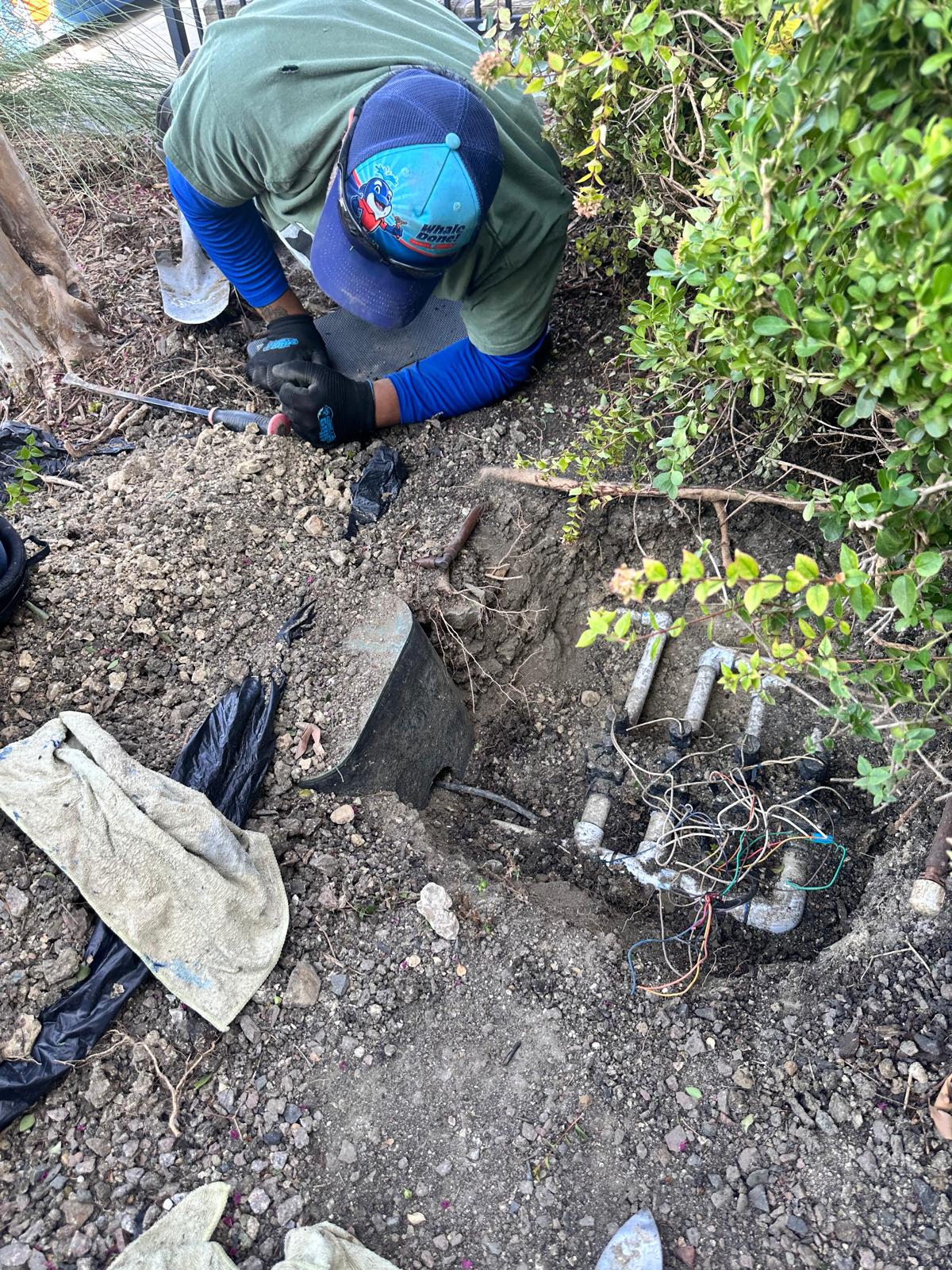
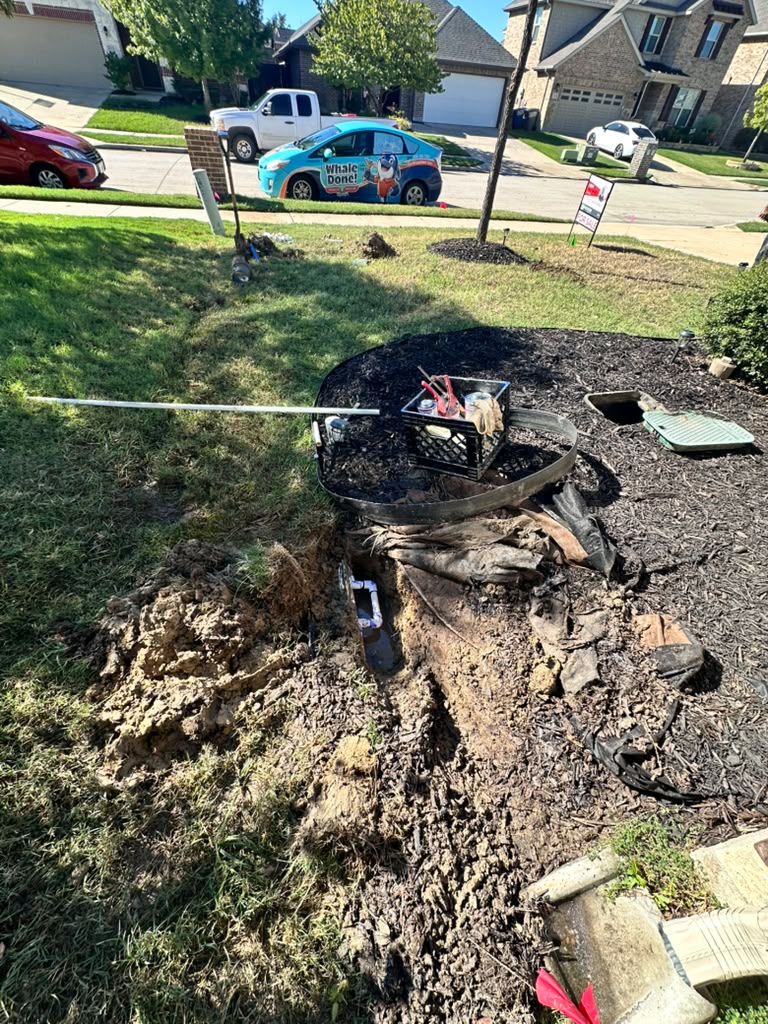
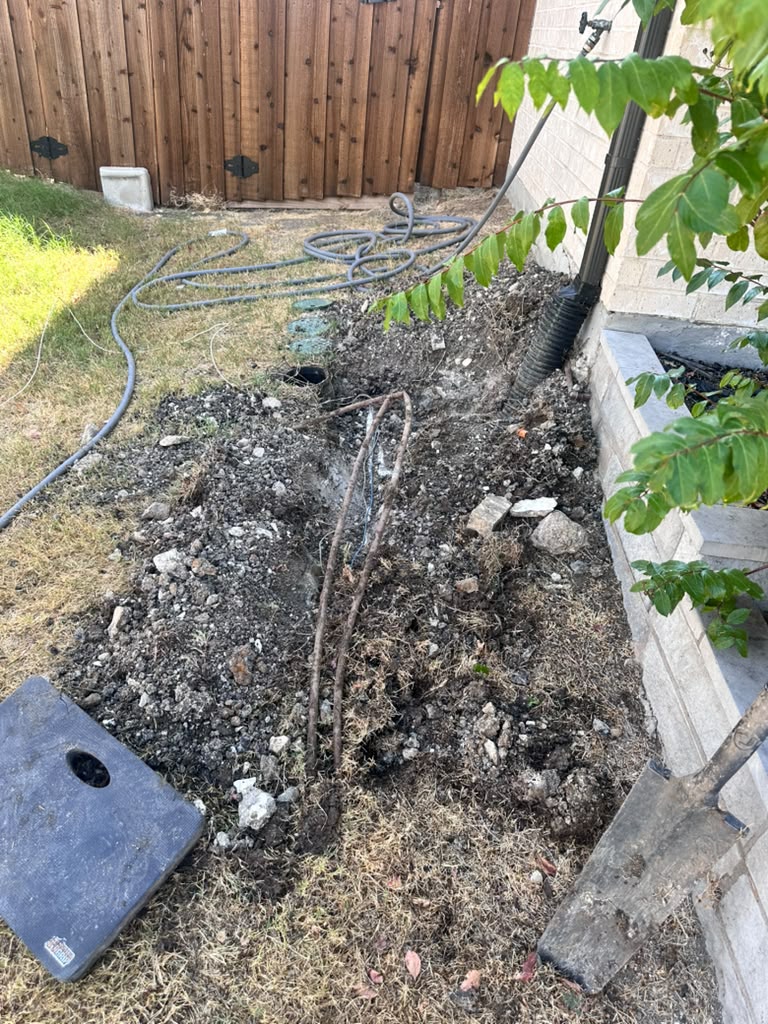
- Pipe and fitting repairs: Fixing cracked lateral lines, loose connectors, or breaks caused by roots or shifting soil
- Valve and backflow repairs: Addressing valves that leak or don’t close fully, or a backflow device that drips
The first group is usually a DIY job. The other two often need a licensed irrigator, especially where backflow devices are involved.
Step-by-Step: How to Check for Leaks This Fall
Step 1: Check Your Water Meter
Turn off all water inside and outside the house. Look at your water meter’s leak indicator, which is usually a small triangle or dial. If it’s still moving, water is escaping somewhere.
Then turn off the irrigation supply and check again. If the meter stops, the leak is in your irrigation system.
Step 2: Run Each Zone and Watch
Run one zone at a time from your controller. Walk the zone and look for:
- Water pooling around a head
- Geysers or misting instead of an even spray
- Heads that don’t pop up fully
- Water bubbling up between heads, which often points to a pipe leak
Mark each problem with a flag so you can find it later.
Step 3: Look for Low-Flow Signs
Some leaks are hidden. Check for:
- Soggy, spongy patches in dry weather
- Unusually green or fast-growing strips of grass
- Low pressure in a zone
- Sinking or settling soil
Step 4: Check Valves and the Backflow Device
Find your valve boxes, which are usually green lids in the yard. Open them and look for standing water or dripping. Then check the backflow preventer, the assembly near the house, for steady dripping.
A little dripping when the system is running can be normal. Constant dripping isn’t.
Step 5: Make Simple Repairs
If a head is cracked or a nozzle is clogged, replace it. Turn the zone off first, dig carefully around the head, and swap the part.
Take photos of anything you can’t fix. These help a professional diagnose the problem faster.
Step 6: Re-Test Before Shutting Down
After repairs, run the zone again and confirm the problem is gone. Then complete your shutdown steps. If you’re unsure how, our guide on sprinkler winterization walks through the process.
Common Mistakes Homeowners Make
Most fall mistakes come from good intentions and bad timing. These are the ones we see most.
- Shutting off the system before checking for leaks. You lose your best chance to see the problem.
- Ignoring a small wet spot. Small leaks tend to grow.
- Assuming a high water bill is “just the season.” Compare it to last year’s bill first.
- Digging without locating lines. Call 811 before any serious digging, and dig gently near heads.
- Using the wrong replacement parts. Nozzles and heads vary by brand and type.
- Skipping the backflow device. A dripping backflow preventer should be addressed by a licensed professional.
North Texas Considerations for Fairview Homeowners
Fairview’s conditions can make leaks worse. It helps to know what your yard is up against.
Clay Soil and Foundation Movement
North Texas clay swells when wet and shrinks when dry. That constant movement can pull on pipes and fittings. A joint that was held all summer can crack after a few weeks of shifting soil.
Freezes Are Unpredictable
We may get mild weather one week and a hard freeze the next. That is why waiting until “it gets cold” can leave you rushing. Exposed pipes and backflow devices are most at risk, so many homeowners insulate them and know where their shutoff is.
Heat, Wind, and Water Restrictions
After a hot summer, your system has worked hard, and worn parts are more likely to fail. Wind can also make a leak look worse than it is by scattering spray. Check with your water provider for current watering rules, since restrictions can change with the season. The EPA’s Fix a Leak Week resources explain how much water a small leak can waste over time.
Seasonal Watering
Lawns need much less water in fall and winter. If your system is running less but your bill isn’t dropping, that’s a strong clue that a leak may be involved.
Related Problems That Look Like a Leak
Not every wet spot or high bill is a broken pipe. Before you assume the worst, consider these:
- Overwatering: A controller set too long can cause pooling that looks like a leak
- Low water pressure: May be a valve, clog, or supply issue rather than a break
- Valve problems: A stuck valve can let water seep into a zone that should be off
- Controller programming errors: Extra start times or a wrong schedule can waste water
- Drainage issues: Clay soil can hold water long after a rain
- Other plumbing leaks: Sometimes a wet spot is a home plumbing line, not irrigation
Our guides on sprinkler valve repair and sprinkler system repair explain these in more detail.
Frequently Asked Questions
How do I know if my sprinkler system has a leak?
Look for pooling water, soggy patches, low pressure, or a water meter that keeps moving when everything is off. An unexplained jump in your water bill is another sign. Running each zone and watching is the most reliable check.
Do I have to fix a leak before winterizing my sprinklers?
It’s strongly recommended. A leak you can see now may be invisible later, and cracked parts can worsen with freezing and thawing. Repairs are simpler while the system still has water in it.
Can a sprinkler leak damage my foundation?
It can contribute. In clay soil, constant extra moisture near the house can add to soil movement. If a leak is near your foundation, have it checked promptly.
How much water can a small irrigation leak waste?
More than most people expect. A small leak can waste hundreds or thousands of gallons over a season. The Texas Commission on Environmental Quality also regulates licensed irrigation work in the state, which is one reason many homeowners prefer licensed professionals for larger repairs.
When should I call a professional?
Consider it if the leak is underground, involves a valve or backflow device, or you can’t find the source. Also call if the same problem keeps returning. A licensed sprinkler company can pinpoint hidden leaks without unnecessary digging.
Bottom Line and Next Step
Irrigation leak repair in Fairview TX is one of the simplest ways to protect your yard, your water bill, and your system before the cold sets in. A quick fall inspection finds problems while water is still running and gives you time to fix them. Many issues are easy to handle yourself, and some are worth a licensed professional’s eye. If you’re unsure, Whale Done offers straightforward evaluations with no pressure. Call us or visit callwhaledone.com to schedule a visit.