Conducting an irrigation system check in The Colony TX is an essential step for every homeowner who wants to maintain a healthy landscape, conserve water, and comply with local watering rules. A thorough inspection not only ensures that your irrigation system delivers water efficiently and effectively where it’s needed but also helps you avoid common problems like broken sprinkler heads, leaks, improper scheduling, and wasted resources. In this comprehensive guide, we’ll walk you through everything from basic system assessments to advanced professional checks, so you can keep your lawn and garden thriving all year round.
Why Regular Irrigation System Checks Matter
An irrigation system is more than just an automated way to water your lawn—it’s an investment in your property’s long-term health. Without routine checks, components can fail, water can be wasted, and plant health can suffer. According to best practices in irrigation maintenance, regular evaluations help maintain proper water distribution, prevent costly breakdowns, and ensure that controllers and sensors are functioning correctly.
Furthermore, maintaining system efficiency helps you comply with local water restrictions, something every resident in The Colony, TX must take seriously to avoid penalties and conserve precious water supplies.
Understanding Local Water Regulations in The Colony
The City of The Colony enforces water restriction rules that affect how and when you should run your irrigation system. For example:
- Watering may be restricted on certain days based on city guidelines.
- You should avoid watering during peak sunlight hours to reduce evaporation.
- Systems must include rain or freeze sensors to prevent watering during precipitation.
These regulations are in place not only to save water but also to ensure you are using your irrigation setup responsibly and in accordance with local ordinances.
Step-by-Step Guide to Performing an Irrigation System Check
Whether you’re performing a simple inspection or prepping for a full seasonal tune‑up, here’s how to go about checking your irrigation system effectively.
1. Check the Controller Settings
Your irrigation controller is the brain of the system, so start here:
- Verify that the date and time are correct.
- Adjust watering schedules to match the current season.
- Confirm that start times align with recommended watering windows (typically early morning or late evening).
Programming your controller seasonally not only prevents overwatering but also ensures your landscapes receive the right amount of water at the right time—a critical factor for healthy lawns.
2. Inspect Sprinkler Heads and Zones
Conduct a visual inspection of each irrigation zone:
- Look for clogged, broken, misaligned, or leaking heads.
- Ensure the spray pattern isn’t watering sidewalks, driveways, or other non‑landscape areas.
- Adjust heads so they’re properly covering intended grassy or planting areas.
This step is essential for preventing water waste and maximizing system performance. Small issues, like a misdirected sprinkler head, can make a big difference in overall efficiency.
3. Monitor Water Pressure and Flow
Proper water pressure is key to ensuring even coverage across all zones. Too much pressure can mist water away, while too little can leave patches dry. By assessing pressure consistency and inspecting for leaks in valves and pipes, you can improve distribution efficiency and prevent hidden issues underground.
4. Evaluate Filters and Nozzles
Over time, filters and nozzles accumulate debris and sediment, which can reduce water flow and distribution uniformity. Clean these components regularly to maintain optimal performance, and replace worn parts as needed.
5. Check Sensors and Automation Devices
Sensors—such as rain sensors, moisture sensors, and smart controllers—play an important role in preventing unnecessary watering. These devices can automatically adjust schedules based on real‑time weather data, helping you conserve water and reduce runoff.
6. Test for Drainage Issues and Soil Absorption
Irrigation isn’t just about watering — it’s also about how your soil and landscape respond. After running your system, walk your lawn to check for:
- Excessive runoff onto paved areas.
- Saturated soil that doesn’t absorb water.
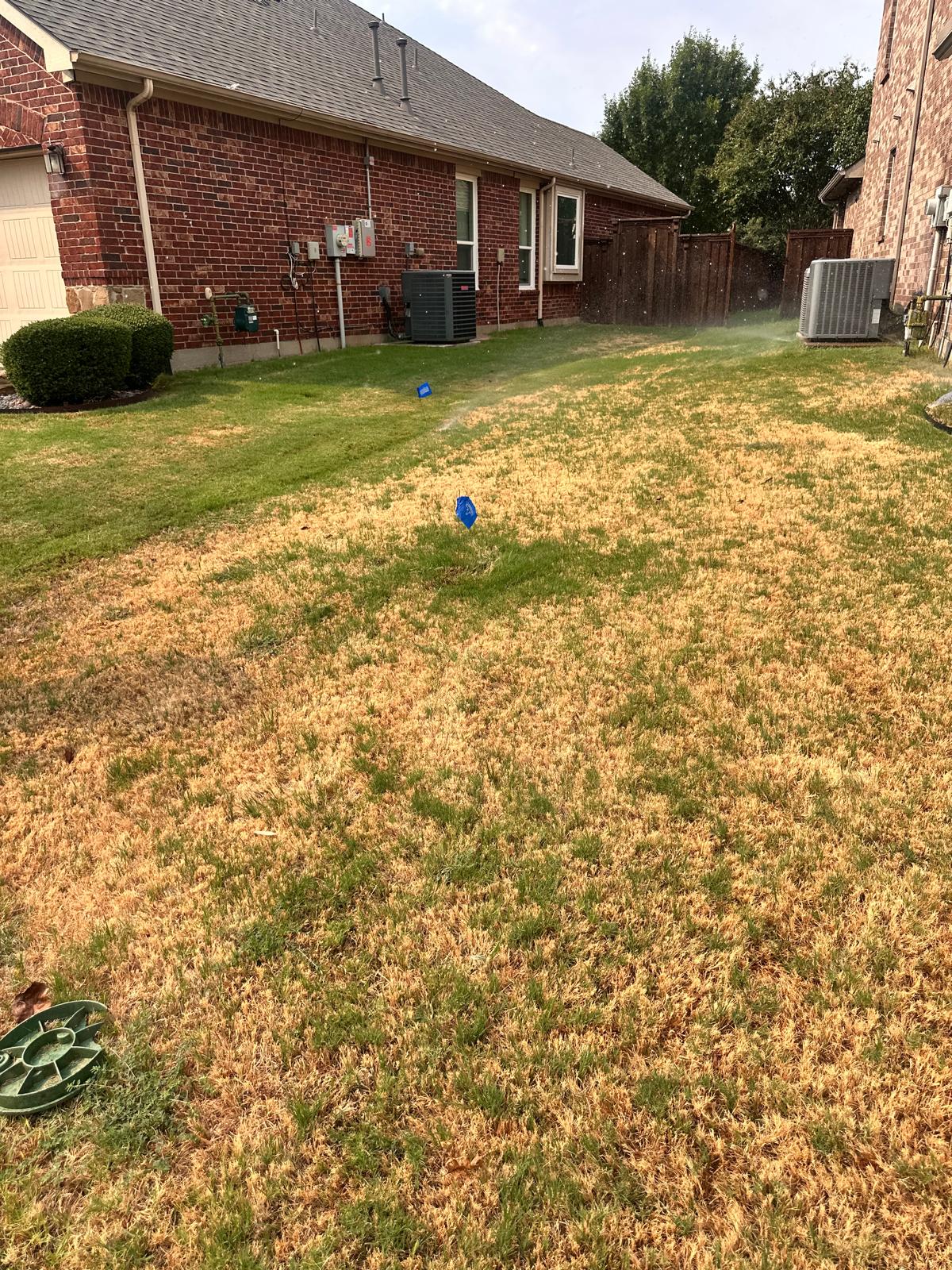
- Uneven wet and dry patches indicating distribution imbalance.
These issues can point to deeper problems that may require professional attention or soil adjustment strategies.
Seasonal Irrigation System Checks
While routine maintenance checks should be done monthly, seasonal evaluations are critical for preparing your system for extreme weather conditions.
Spring Start‑Up Check
After winter, it’s time to:
- Turn the system back on.
- Inspect all components for freeze damage.
- Adjust programming for the upcoming growing season.
This is also a good time to inspect backflow preventers and ensure all zones are functioning before heavy watering begins.
Summer Optimization
Summer heat increases water demand, so it’s crucial to adjust your irrigation schedule to promote deep watering early in the day while minimizing evaporation. You may also consider adding shade‑specific watering schedules to accommodate areas of your yard with different sun exposure.
Fall and Winter Preparations
As temperatures cool:
- Reduce watering frequency.
- Run the system less often as plants enter dormancy.
- Flush and winterize your irrigation setup to prevent freeze damage if applicable.
Seasonal system adjustments help reduce water use and protect your investment during slower growth periods.
Smart Irrigation Technology and Advanced Tools
Modern irrigation systems often include smart controllers that use local weather data and soil moisture readings to automatically adjust watering schedules for maximum efficiency. These advanced systems connect to Wi-Fi and integrate with weather forecasts, on-site sensors, and evapotranspiration calculations to deliver precise amounts of water exactly when landscapes need it.
By responding dynamically to rainfall, temperature fluctuations, humidity levels, and seasonal changes, smart irrigation prevents overwatering and underwatering while promoting healthier lawns and plants. Installing smart irrigation technology improves overall water management, lowers utility bills, reduces municipal water demand, supports environmental conservation efforts, and helps property owners stay compliant with local watering regulations.
Benefits of Regular Irrigation System Inspections
A comprehensive irrigation system check offers several advantages:
- Water Conservation: Detecting leaks and scheduling appropriately leads to reduced use and lower water bills.
- Healthier Landscaping: Proper hydration promotes deep root growth and drought resilience.
- Extended System Lifespan: Keeping components in peak condition reduces costly repairs and extends your system’s lifespan.
- Compliance with Local Rules: Staying within The Colony watering guidelines ensures you avoid fines and protect city resources.
Common Mistakes to Avoid
Even when performing routine checks, homeowners often make mistakes such as:
- Leaving controllers programmed year‑round without seasonal adjustment.
- Ignoring small leaks or misalignment under the assumption “it’s nothing.”
- Failing to inspect after weather events that could disrupt system performance.
Being proactive and following a detailed check list can prevent these issues from becoming major headaches.
When to Call a Professional
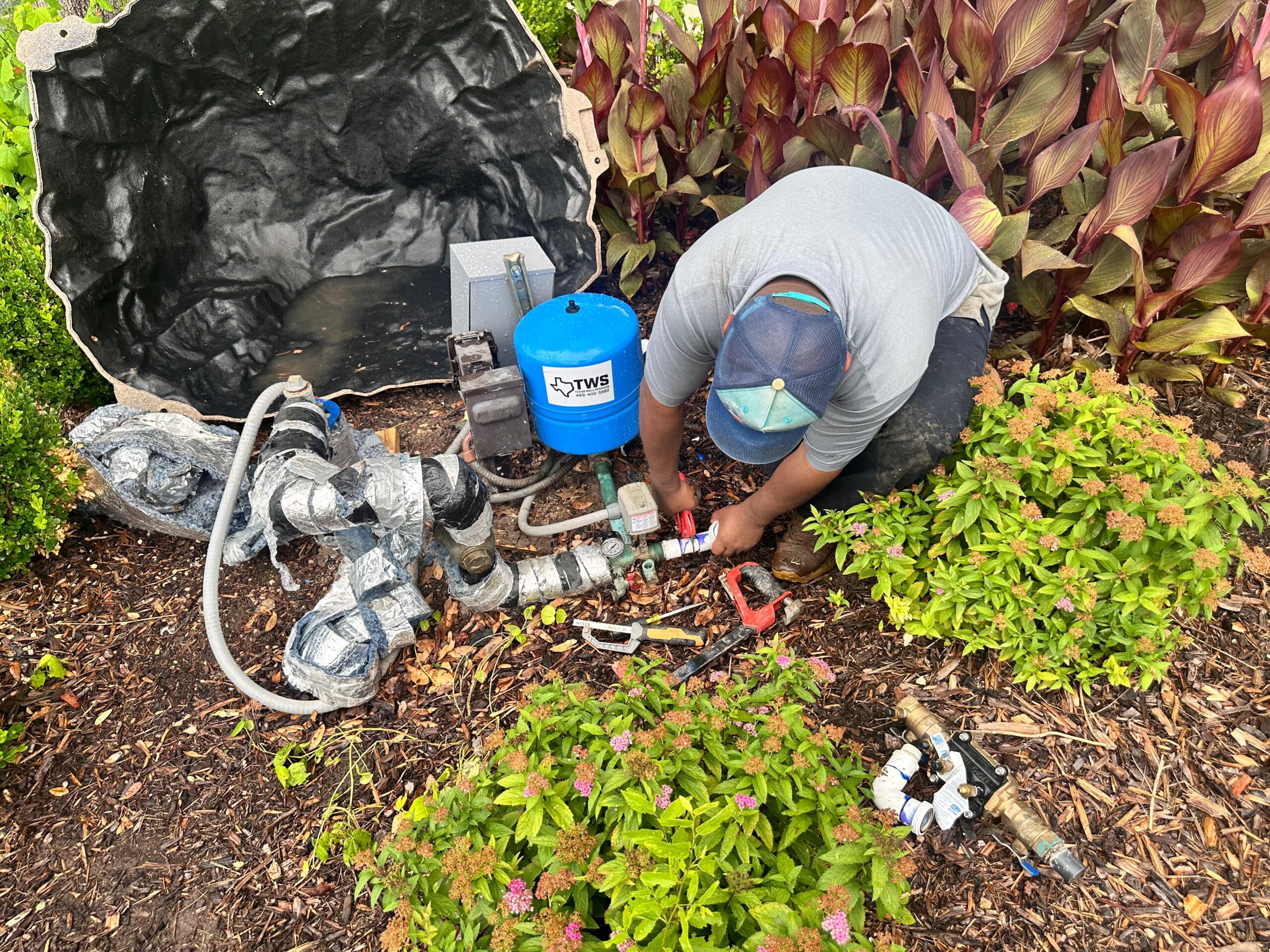
While many irrigation checks can be done by homeowners, certain problems require expert attention to prevent further damage and costly repairs. Heavy leaks, electrical controller malfunctions, broken valves, wiring issues, and complex system modifications should always be handled by experienced technicians who understand the system’s design and components. Attempting to fix these issues without proper tools or training can lead to bigger complications, including water waste and landscape damage. Working with a professional ensures that repairs are completed accurately, safely, and in compliance with local regulations. For example, professional evaluations often include advanced diagnostics like flow meters, pressure testing, and leak detection equipment, which measure precise water use and quickly alert you to hidden inefficiencies.
Conclusion
Performing an irrigation system check in The Colony TX is a proactive way to protect your lawn, save water, and abide by local guidelines for outdoor water use. A well‑maintained system not only enhances the beauty and health of your landscape but also supports long‑term water efficiency and reduces unnecessary costs. For homeowners who want reliable, expert irrigation system support, Whale Done Sprinklers & Irrigation offers professional services tailored to the unique needs of properties in The Colony and surrounding areas. Contact them at +1 (469) 384‑7767 or via email at clientsupport@callwhaledone.com to schedule your next irrigation system check and ensure optimal performance for years to come.