Weak sprinkler coverage in Prosper TX is usually caused by low water pressure reaching that zone, a clogged or damaged sprinkler head, a partially closed valve, or a system that was never designed to cover that specific area evenly. Clay soil and uneven yard grading in many Prosper neighborhoods can also make one section look drier than the rest, even when the sprinklers are technically working. Start by checking the heads closest to the dry patch, then look at water pressure and valve function before assuming the whole system needs repair.
At a Glance
- Difficulty: Easy to moderate, depending on the cause
- Estimated Time: 15–45 minutes to diagnose
- Tools Needed: Screwdriver, garden trowel, water pressure gauge (optional)
- Works For: Isolated dry spots, weak spray in one zone, uneven coverage
- May Not Solve: Foundation-related dry zones, underground pipe leaks, or design flaws that require a licensed technician
What Causes Weak Sprinkler Coverage in Prosper TX
Most sprinkler systems are designed with zones, and each zone relies on consistent water pressure and evenly spaced heads to cover the ground effectively. When one specific area is dry while the rest of the yard looks fine, it usually means something local to that zone or that head has changed since the system was installed, rather than a failure of the entire system.
Common causes include:
- A sprinkler head has shifted, sunk, or become blocked by grass or mulch
- Dirt, debris, or mineral buildup is clogging the nozzle
- A nearby valve isn’t opening fully
- Tree roots or landscaping changes have altered water flow
- The original layout has a coverage gap that was never fully corrected
- Soil compaction is causing water to run off instead of soaking in
In Prosper’s newer developments, it’s also common for sprinkler heads to be knocked out of alignment during landscaping work, fence installation, or sod replacement after construction. A head that was aimed correctly on installation day can end up pointed the wrong direction, buried slightly below grade, or blocked by a plant that has since grown in. Because these changes happen gradually, many homeowners don’t notice the coverage gap until a patch of grass starts to brown during a stretch of hot weather.
It also helps to understand how irrigation systems are engineered in the first place. According to guidance from the Irrigation Association, sprinkler zones are designed around matched precipitation rates, meaning every head in a zone is meant to apply water at roughly the same speed. When even one head is underperforming, it throws off that balance and creates a visible dry spot while the rest of the zone looks healthy.
Step-by-Step: Diagnosing Weak Sprinkler Coverage
Step 1: Run the Zone and Watch It Work
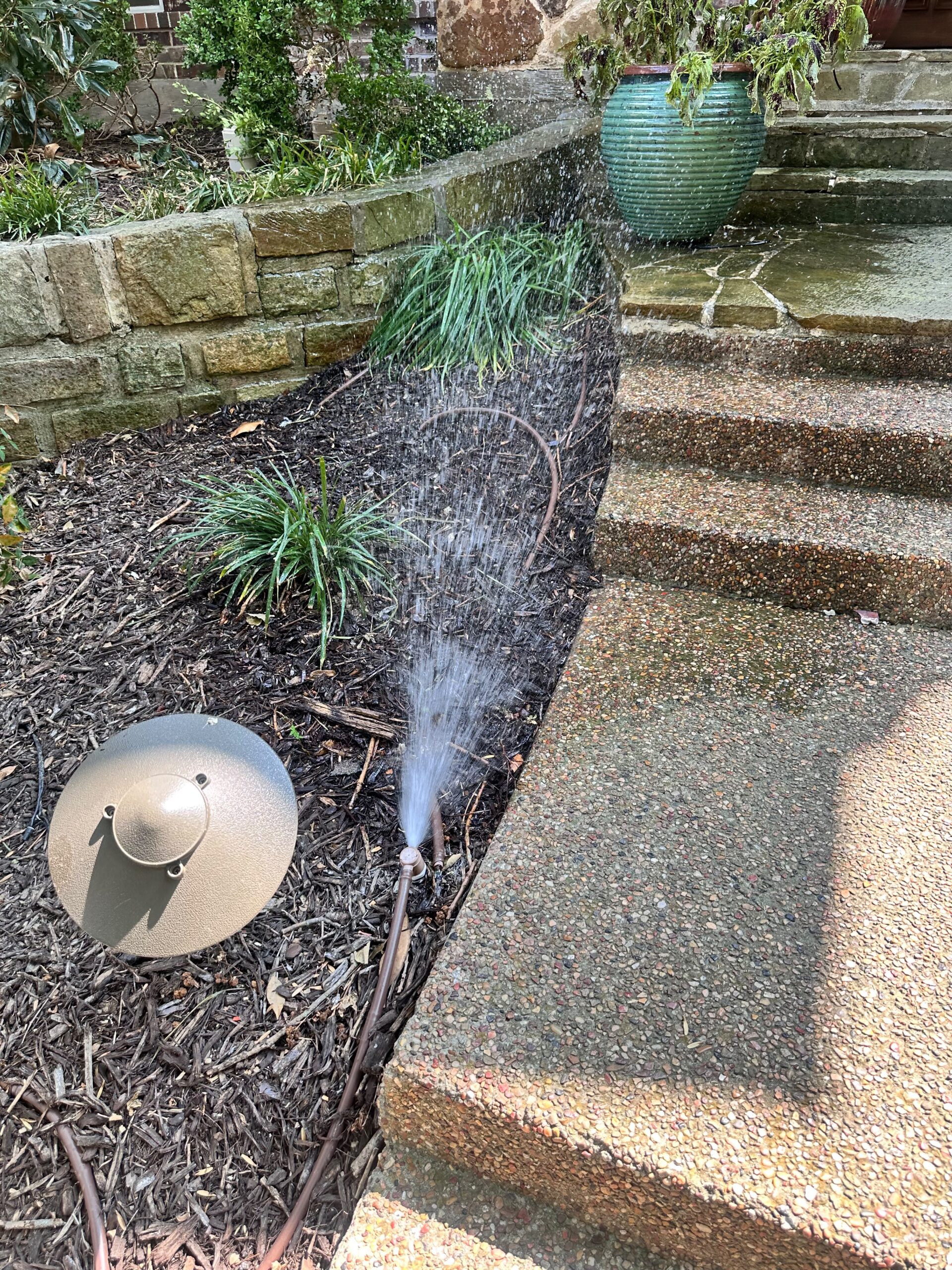
Turn on the affected zone manually and walk the area while it runs. Look for heads that aren’t popping up fully, spraying in the wrong direction, or barely trickling water.
Step 2: Inspect the Head Closest to the Dry Spot
Kneel down and check the head for cracks, clogs, or debris. Grass clippings and dirt are common culprits, especially after mowing.
Step 3: Check for Blocked Spray Patterns
Look for anything physically blocking the spray, such as overgrown landscaping, edging, or a sprinkler head that has sunk below grade.
Step 4: Compare Pressure to Other Zones
If nearby heads spray strong and this one is weak, the issue is likely local to that head or a nearby valve rather than the whole system.
Step 5: Check the Valve for That Zone
A valve that isn’t opening completely can reduce pressure to an entire zone. Valves are typically housed underground in a valve box, and diagnosing them safely usually requires a licensed technician with the right tools. If you’ve already ruled out a clogged or damaged head, this is often the next likely cause.
Step 6: Rule Out a Broader System Issue
If more than one zone shows weak pressure, the problem may not be isolated at all. In that case, it’s worth reviewing our guide on common causes of low water pressure in sprinkler systems to understand whether the issue is system-wide rather than local to one area.
Common Mistakes Homeowners Make
- Assuming the entire system is broken. Often it’s a single head or valve, not the full irrigation system.
- Turning up water pressure system-wide. This can damage other zones instead of fixing the real problem.
- Ignoring the issue during hot months. Small coverage gaps become more noticeable and more damaging in summer heat.
- Ignoring the dry area during hot Texas summers. Waiting too long can stress grass and soil beyond simple repair.
- Assuming it’s a watering schedule issue. A programming change won’t fix a mechanical blockage or valve problem.
Local Considerations for Prosper, TX
Sprinkler coverage in Prosper TX can be affected by a few local factors that don’t apply everywhere:
- Clay soil: North Texas clay soil compacts easily, which can cause water to pool or run off before reaching plant roots evenly. Research from Texas A&M AgriLife Extension notes that heavy clay soils absorb water slowly, so short bursts of watering are often more effective than one long cycle.
- Heat: Prosper’s summer temperatures increase evaporation, making weak coverage areas dry out faster and look worse than they would in cooler months.
- Wind: Wind can push spray patterns off target, especially on taller rotor heads, which is common on breezy afternoons in open subdivisions.
- Water restrictions: Local watering schedules may limit how often a homeowner can run a zone to test and confirm a fix, so plan diagnostic runs around allowed watering days.
- Foundation movement: Homes built on expansive clay soil may experience minor grading shifts over time, which can change how water flows across a yard and create low spots that appear dry even with proper coverage.
These local factors don’t cause weak coverage on their own, but they often make an existing mechanical issue more noticeable and more damaging if it isn’t addressed.
Related Problems That Can Look Similar
If adjusting or replacing a head doesn’t fully solve the issue, the cause may be something else entirely:
- Low water pressure throughout the entire system
- A stuck or partially closed main valve
- A controller or programming issue affecting run time
- An underground leak reducing pressure to that zone
Some of these issues overlap in symptoms, which is why a step-by-step check is more reliable than guessing. If you suspect a leak, our guide on how to tell if you have an underground sprinkler leak walks through the warning signs. And if the whole system seems to run on a schedule that doesn’t match the weather, it may be worth reviewing how sprinkler controllers should be programmed for North Texas seasons.
Frequently Asked Questions
Why is only one part of my yard dry when the rest looks fine?
This usually points to a local issue, such as a clogged head, blocked spray pattern, or a valve not opening fully in that specific zone.
Could my soil be the problem instead of the sprinklers?
Yes. Clay soil common in this area can cause uneven absorption, making one area look drier even when water coverage is adequate.
Do I need to replace the sprinkler head, or can it be adjusted?
Many coverage issues can be solved by adjusting spray direction or arc. Replacement is only needed if the head is cracked, sunken, or beyond repair.
Is this something I can check myself?
Yes. Running the zone and visually inspecting the head and surrounding area is something most homeowners can do safely.
When should I stop troubleshooting and call a professional?
If the issue involves a valve, buried piping, or water pressure across multiple zones, a licensed technician has the tools to diagnose it safely.
Will fixing one head solve the whole problem?
Sometimes. If the issue is isolated to that head, yes. If pressure or valve issues are involved, a broader inspection may be needed.
Can lawn mowing cause this issue?
Yes. Mowers and trimmers frequently knock heads out of alignment or bury them slightly below grade.
Does this problem get worse over time?
It can. A small clog today may fully block a head over the coming weeks, so it’s worth checking sooner rather than later.
Could landscaping changes be the cause?
Yes. Adding mulch beds, new plants, or edging can accidentally block or redirect spray patterns that previously worked fine.
Is weak coverage the same as a broken sprinkler system?
Not usually. It’s more common for weak coverage to come from a single head, valve, or localized soil issue than a full system failure.
Bottom Line
Weak sprinkler coverage in Prosper TX is usually traced back to one of a few specific causes: a clogged or misaligned head, a valve that isn’t opening fully, or local factors like clay soil and heat that make dry spots more noticeable. In most cases, the fix starts with a simple visual inspection of the affected zone before assuming a bigger repair is needed.
When Professional Help May Be Beneficial
If the dry area persists after checking the head and valve, or if the issue seems to involve water pressure across the whole system, a licensed sprinkler company can pinpoint the cause with the right diagnostic tools. This is especially true for underground leaks or valve issues, which aren’t always visible from the surface and often require specialized equipment to locate accurately.
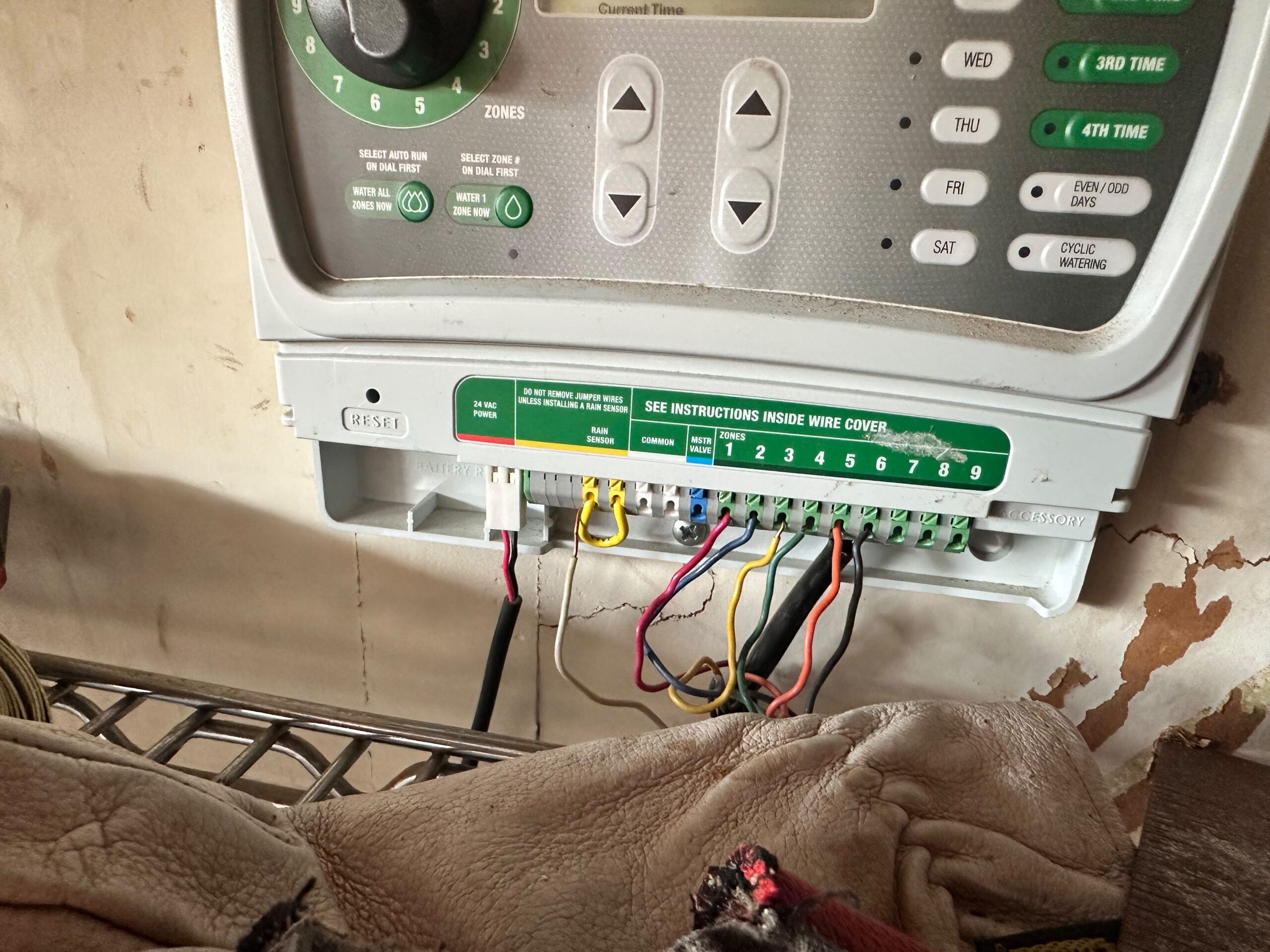
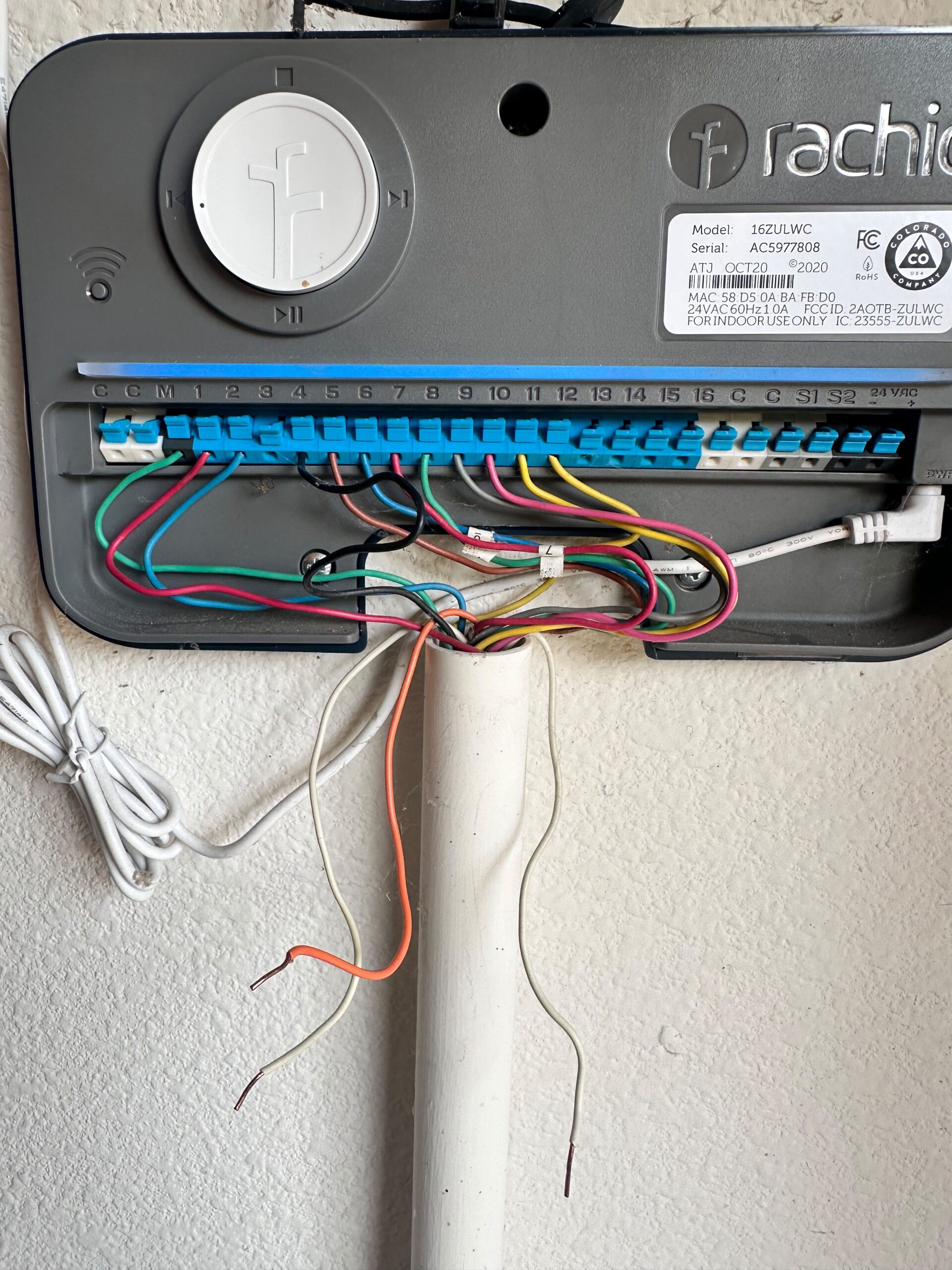
A professional inspection can also confirm whether the problem is isolated to one zone or points to a larger issue with the main line, backflow preventer, or controller wiring. Catching these problems early helps prevent wasted water, rising utility bills, and unnecessary stress on your lawn during Prosper’s hottest months.