A sprinkler coverage tune-up in McKinney TX typically includes a full system run-through, inspection of every head, adjustment of spray direction and arc, a check of water pressure at each zone, valve testing, and confirmation that the controller’s run times still match the yard’s actual needs. The goal is to make sure water is landing where it should, without dry spots, overspray onto driveways, or wasted runoff. Most tune-ups take under an hour and are meant to catch small issues, like a clogged nozzle or a head that has drifted out of alignment, before they turn into brown patches or a higher water bill.
At a Glance
- Difficulty: Easy for basic checks, moderate for pressure and valve diagnostics
- Estimated Time: 30–60 minutes for a full system
- Tools Needed: Screwdriver, pressure gauge, notepad for tracking zone issues
- Works For: Uneven coverage, seasonal check-ups, pre-summer preparation
- May Not Solve: Underground leaks, major valve failures, or controller wiring problems
What a Sprinkler Coverage Tune-Up in McKinney TX Actually Covers
A tune-up is different from a repair. Repairs fix something that’s already broken. A tune-up looks at the whole system while it’s still working, with the goal of catching small problems early and confirming that coverage matches the yard as it exists today, not as it was when the system was first installed.
Most licensed sprinkler companies treat a tune-up as a preventive service rather than a reactive one. The idea is to walk through the system methodically, zone by zone, so that small issues get flagged and corrected before they show up as brown patches, higher water bills, or wasted runoff onto pavement.
A typical tune-up includes the following:
- Running each zone individually and watching how it performs
- Checking every head for cracks, clogs, or blocked spray patterns
- Adjusting spray direction, distance, and arc where needed
- Testing water pressure at the start and end of each zone
- Verifying that valves open and close fully
- Reviewing the controller’s schedule against current weather and season
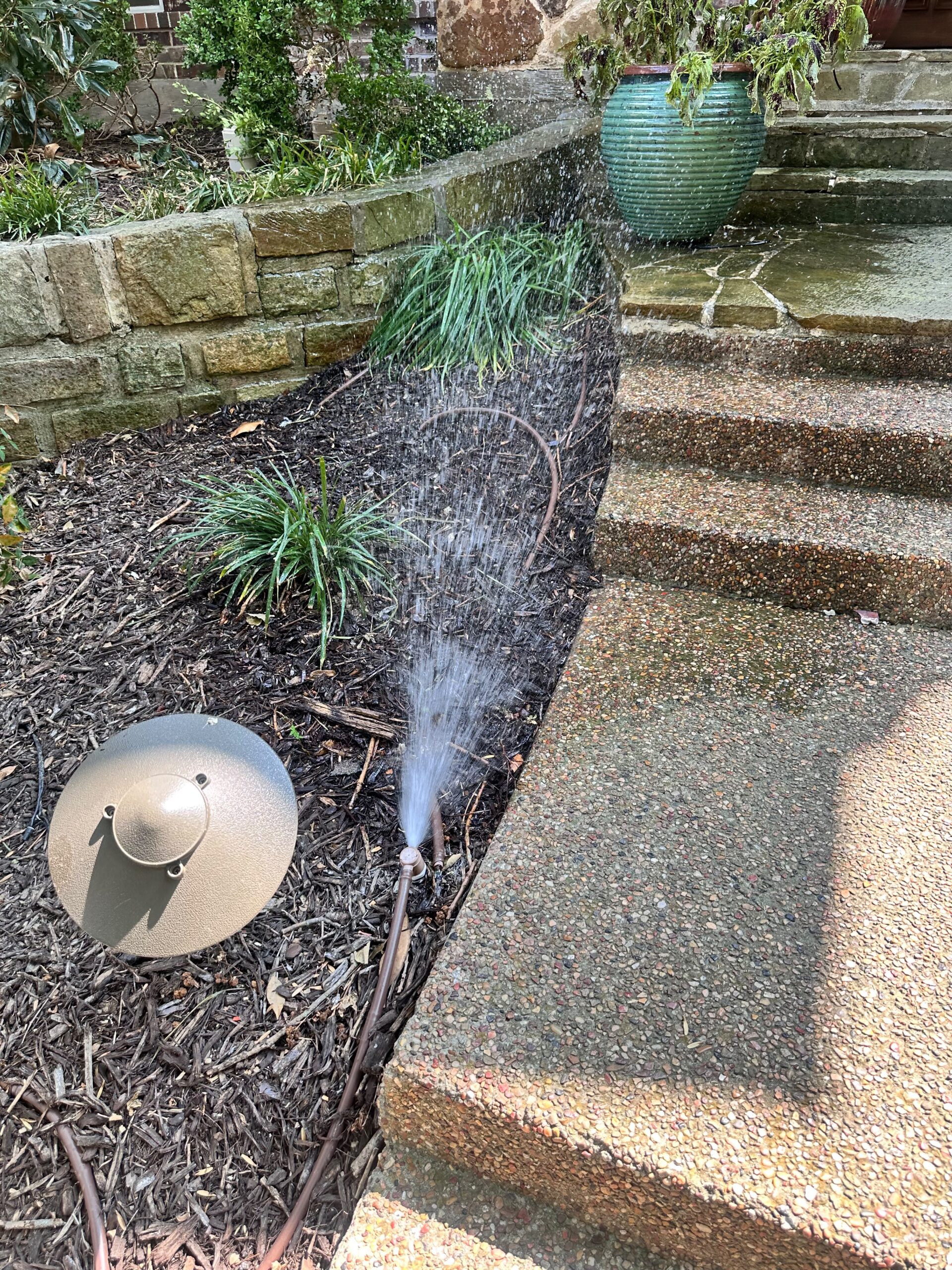
- Checking for overspray onto sidewalks, driveways, or the street
- Confirming that soil moisture and drainage look normal near each zone
Yards change over time. Grass grows in, mulch beds get added, fences go up, and landscaping shifts. A head that covered a section perfectly two years ago may now be aimed at a fence or blocked by a shrub. A tune-up is the point where those small drifts get corrected before they turn into dry patches or wasted water.
Step-by-Step: What Happens During a Tune-Up
Step 1: Full System Walkthrough
Every zone is run in sequence while a technician or homeowner walks the yard, watching how water lands and looking for anything obviously wrong, like a head that isn’t popping up or one spraying at the wrong angle.
Step 2: Head-by-Head Inspection
Each head is checked individually for clogs, cracks, or debris. Heads that have sunk below grade or drifted out of alignment are reset and re-aimed.
Step 3: Pressure Check at Each Zone
Water pressure is measured at multiple points to confirm it’s within the range the system was designed for. Pressure that’s too high or too low affects spray distance and can waste water even when heads look fine.
Step 4: Valve Testing
Valves are checked to confirm they open fully and close completely. A valve that’s stuck partially open can waste water even when the controller shows the zone as off.
Step 5: Coverage Mapping
The technician compares actual spray patterns to the layout of the yard, identifying any dry spots, overlap, or overspray that needs correcting.
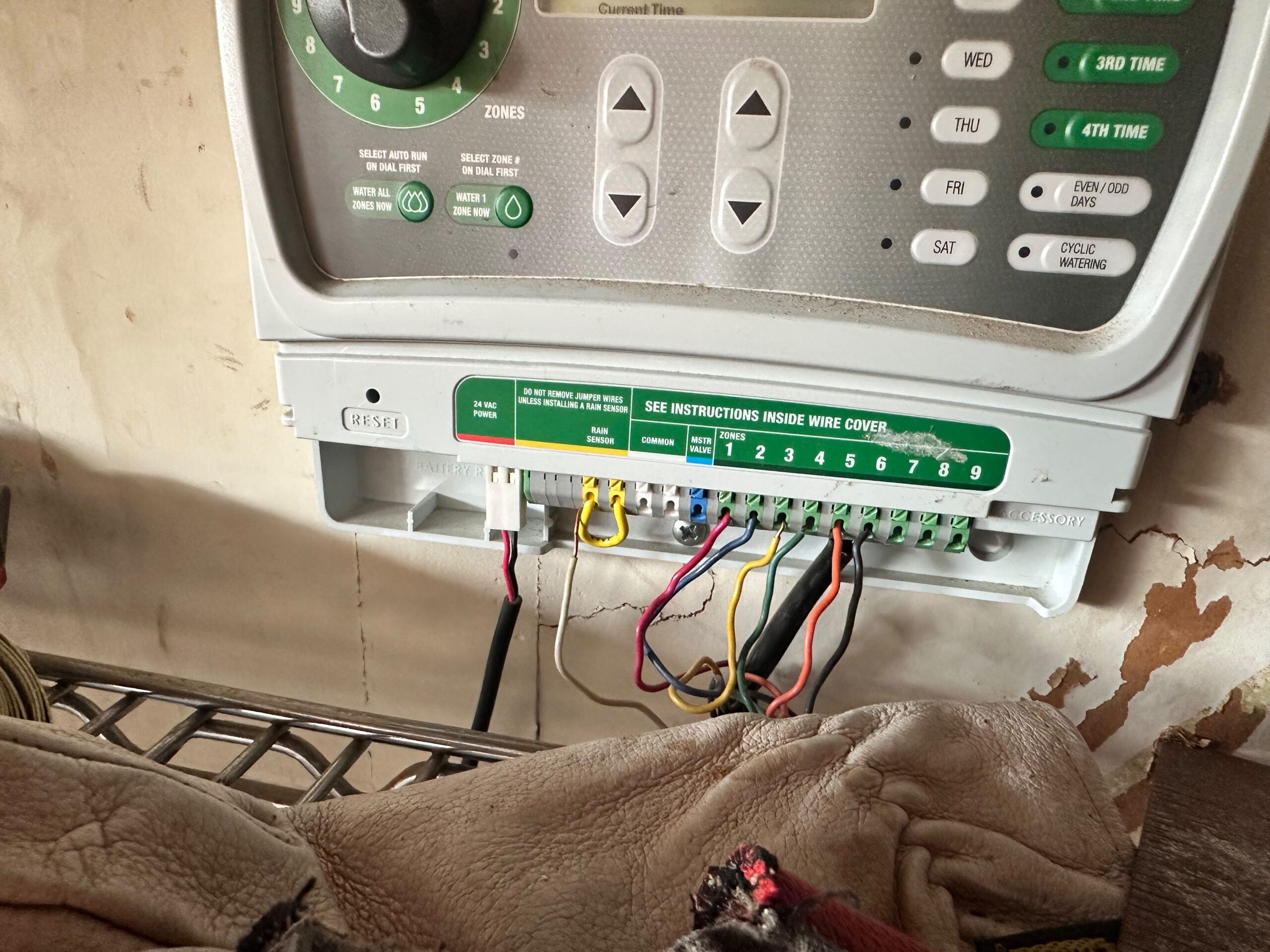
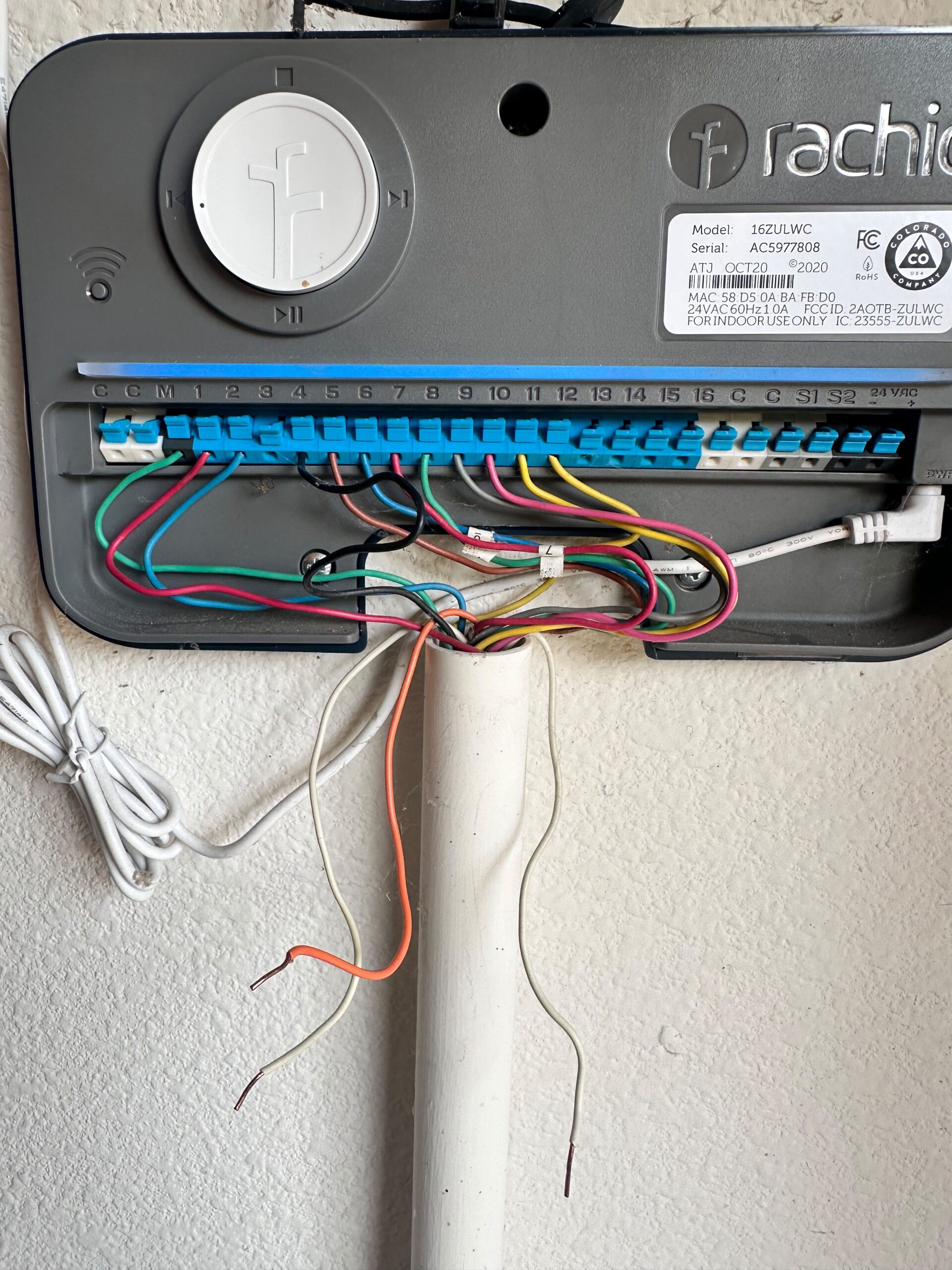
Step 6: Controller Review
Run times and schedules are reviewed against the current season and any local watering restrictions, since a schedule set months ago may no longer match the yard’s needs.
Common Mistakes Homeowners Make
- Skipping tune-ups until something breaks. Small issues are cheaper and easier to fix before they become full repairs, and catching them early often means the difference between a minor adjustment and a costlier part replacement.
- Assuming all heads need the same run time. Different heads and zones often need different schedules based on sun exposure, soil type, and slope.
- Adjusting spray patterns without checking pressure first. A pressure issue can make adjustments look ineffective even when they’re done correctly, leading to repeated, unnecessary tweaks.
- Ignoring seasonal changes. A schedule built for summer heat can overwater the lawn in cooler months if it’s never revisited, wasting water without improving the lawn’s health.
- Not checking for overspray. Water landing on pavement instead of grass is a common and easily fixed waste of water that many homeowners overlook.
Local Considerations for McKinney, TX
A sprinkler coverage tune-up in McKinney TX often needs to account for a few things specific to this area. These local factors don’t cause coverage problems on their own, but they influence how quickly small issues become noticeable and how a system should be programmed throughout the year:
- Clay soil: Much of McKinney sits on heavy clay, which absorbs water slowly and can cause runoff if a zone runs too long in one cycle. Research from Texas A&M AgriLife Extension recommends shorter, repeated watering cycles on clay soils to reduce runoff.
- Heat: Long, hot summers increase evaporation, which means coverage gaps become visible faster than they would in milder climates.
- Wind: Afternoon wind common in open McKinney neighborhoods can push spray patterns off target, especially on taller rotor heads.
- Water restrictions: Many McKinney neighborhoods follow local watering schedules, so a tune-up should confirm the controller’s programming still complies with current restrictions.
- Seasonal watering: Lawns need less water in spring and fall than in peak summer, so a tune-up is a good time to adjust run times accordingly.
- Foundation movement: Homes on expansive clay soil can experience minor grading shifts, which sometimes changes how water flows across a yard over time.
Related Problems That Can Look Similar
If a tune-up doesn’t fully resolve uneven coverage or high water use, the cause may be something bigger than routine maintenance can fix. In these cases, further diagnostics are usually needed to pinpoint the exact source of the problem:
- Low water pressure across the entire system, not just one zone
- An underground leak reducing pressure without an obvious surface sign
- A failing valve that needs replacement rather than adjustment
- Controller wiring issues affecting one or more zones
Homeowners noticing a sudden spike in water usage may want to review our guide on signs of an underground sprinkler leak, since leaks aren’t always visible from the surface. If pressure seems low throughout the yard, our article on common causes of low water pressure in sprinkler systems covers what to check next.
Frequently Asked Questions
- How often should a sprinkler system get a tune-up?
Most systems benefit from a tune-up once or twice a year, typically in spring before the growing season and sometimes again in fall.
- Is a tune-up the same as a repair?
No. A tune-up checks and adjusts an already-working system, while a repair fixes something that has already failed.
- Can I do a basic tune-up myself?
Yes, for simple tasks like checking heads and adjusting spray direction. Pressure testing and valve diagnostics often require a licensed technician.
- Will a tune-up lower my water bill?
It can. Fixing overspray, adjusting run times, and correcting pressure issues often reduces water waste, which can lower monthly usage.
- How long does a full tune-up take?
Most residential systems take between 30 and 60 minutes, depending on the number of zones and any issues found along the way.
Bottom Line
A sprinkler coverage tune-up in McKinney TX generally includes a full zone walkthrough, head inspection and adjustment, pressure and valve checks, and a review of the controller’s schedule. It’s a maintenance step, not a repair, meant to catch small issues before they turn into dry patches, wasted water, or a bigger bill. Because McKinney’s clay soil, summer heat, and seasonal watering restrictions all affect how a system performs, a tune-up gives homeowners a chance to confirm their setup still matches current conditions rather than relying on settings from months or years ago.
Most visits take under an hour, yet they often prevent far more time-consuming repairs down the road. For homeowners who haven’t had a check-up recently, scheduling one before the next stretch of hot weather is one of the simplest ways to protect both the lawn and the water bill.
Conclusion
A sprinkler coverage tune-up in McKinney TX is one of the simplest ways to catch small issues, like a drifted head or a stuck valve, before they turn into dry spots or wasted water. Many homeowners schedule one each spring to prepare their system for the hotter months ahead, when even minor coverage gaps become much more noticeable. A licensed sprinkler company can walk through each zone, check pressure and valves, and confirm coverage matches your yard’s current needs. If it’s been a while since your last check-up, now is a good time to schedule one and catch small problems before they turn into costly repairs.
Related Resources
- How to Adjust Sprinkler Heads
- Why Are My Sprinkler Leaks While The System Is Off? –
- Sprinkler Valve Problems: Signs and Solutions
- Sprinkler Controller Programming for Every Season