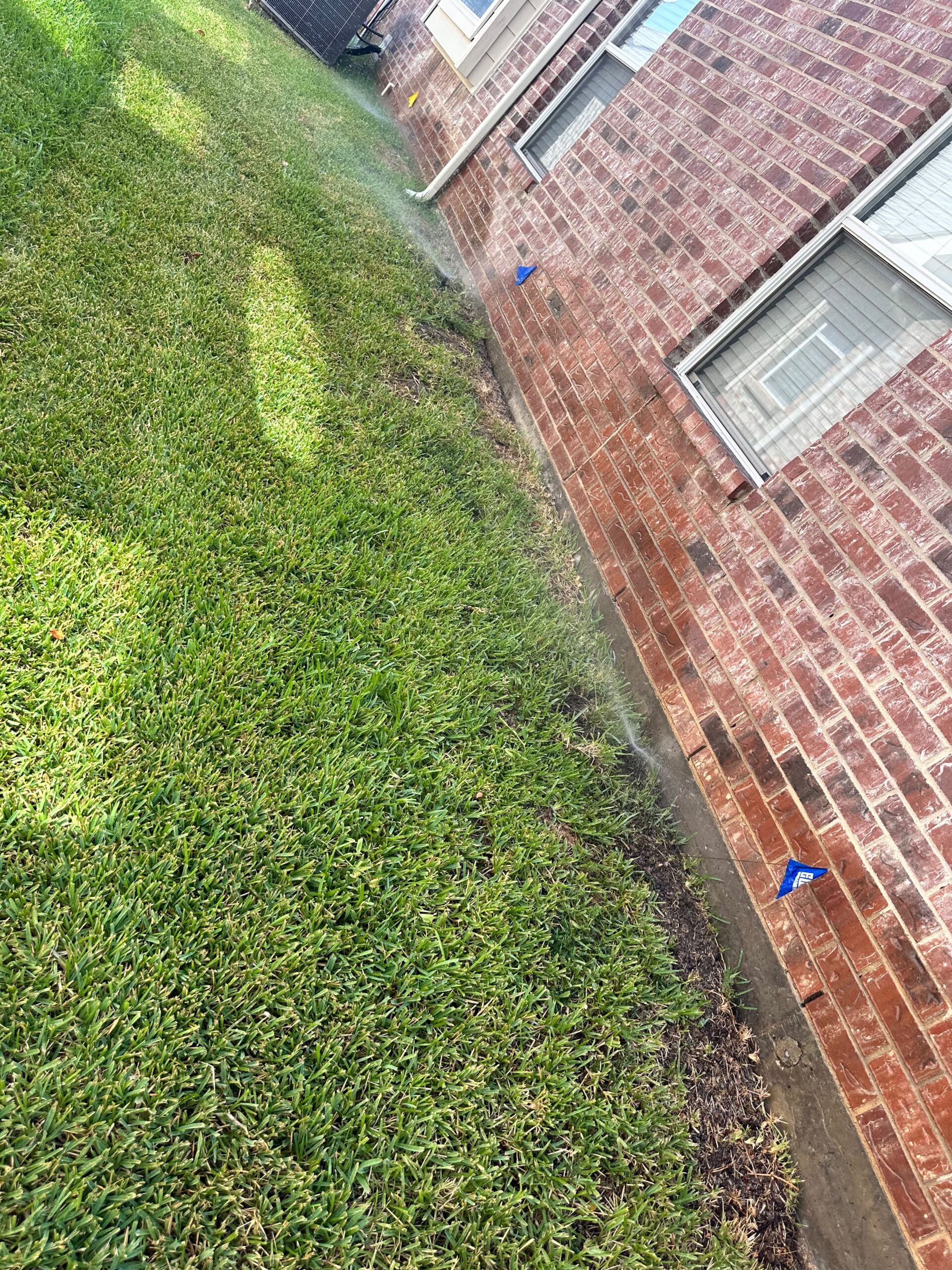
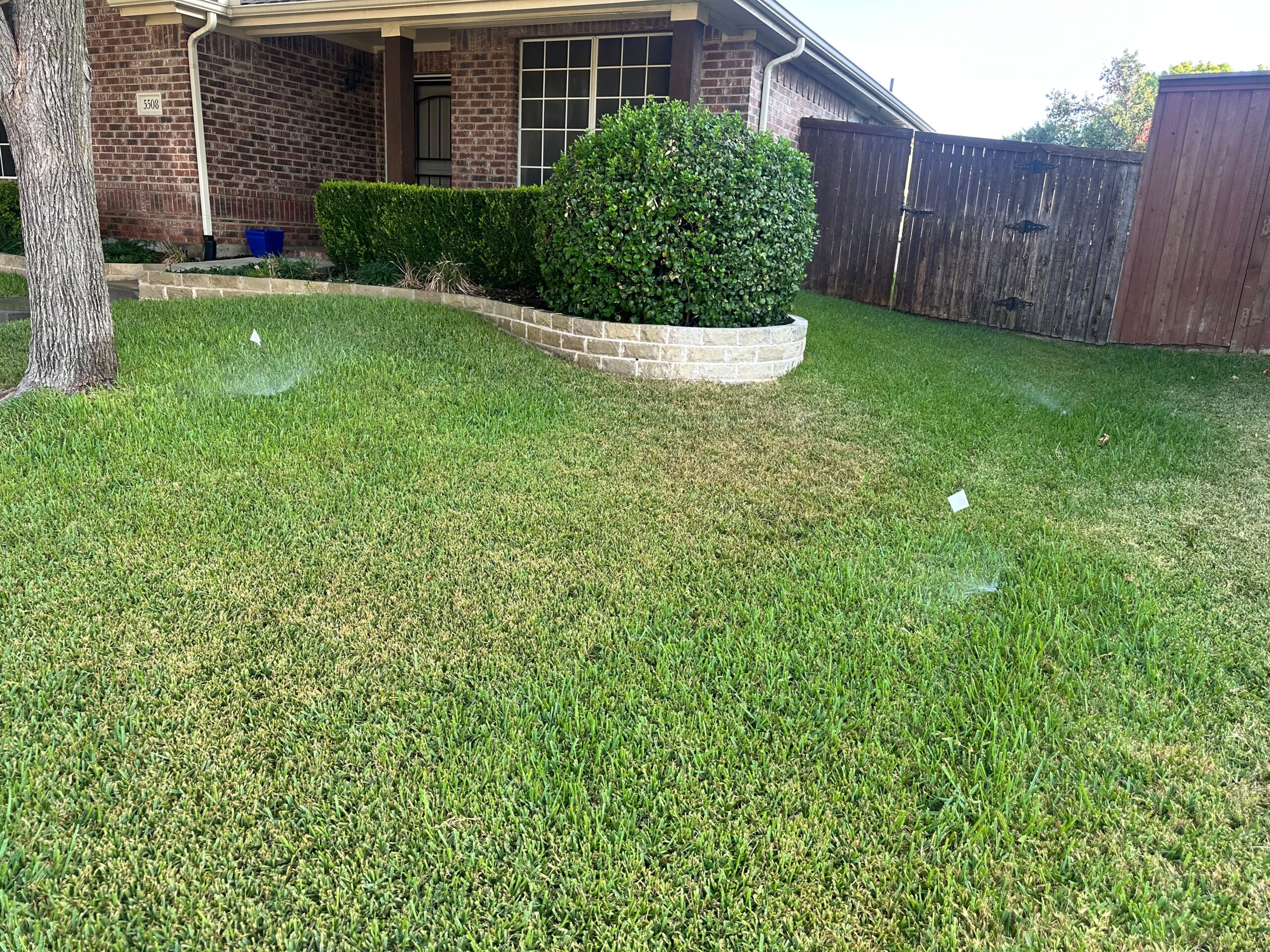
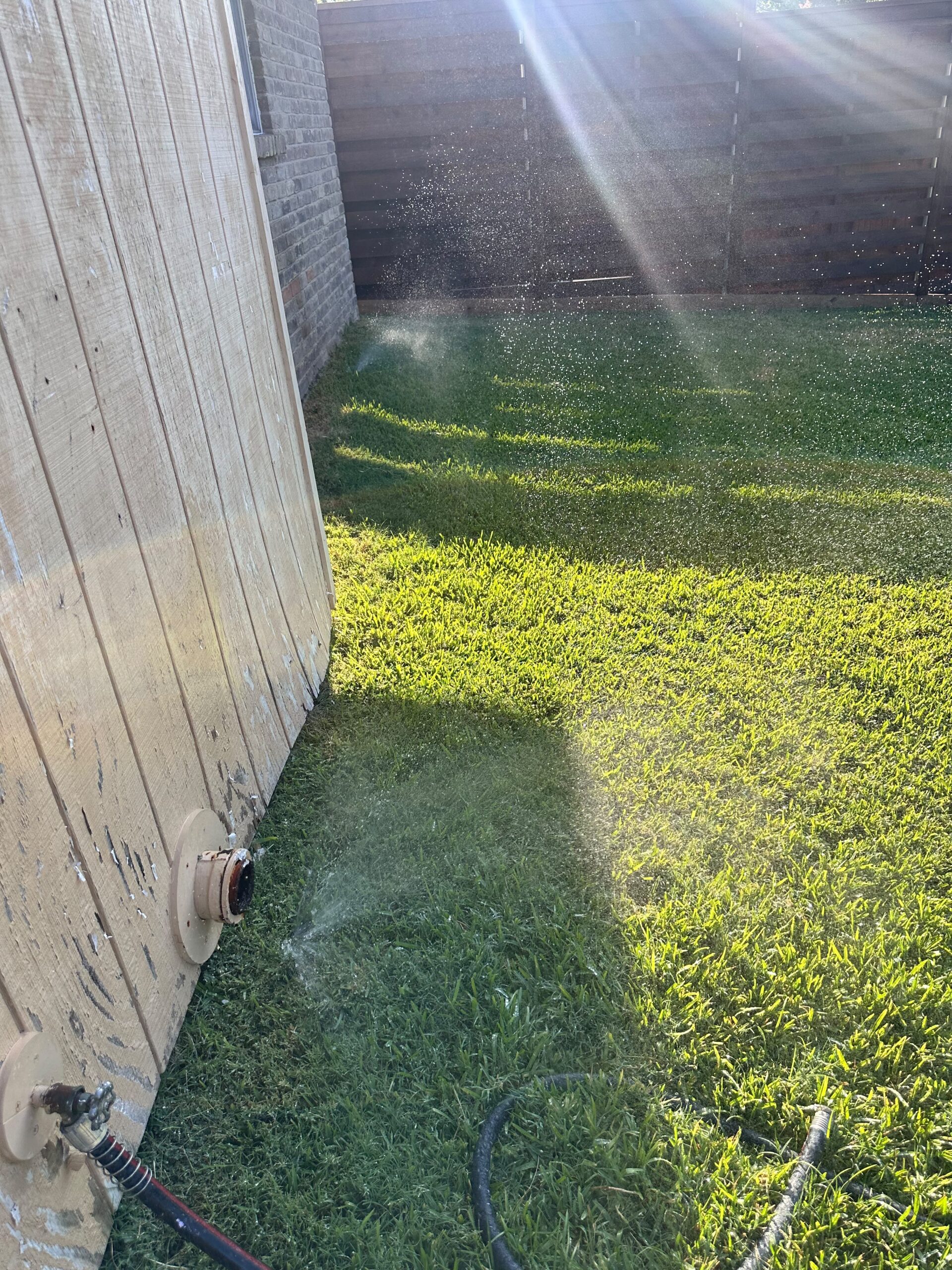
A sprinkler line repair in McKinney TX typically follows a consistent process: the technician locates the general area of the break, confirms the exact spot using pressure or leak detection methods, carefully digs to expose the damaged section, cuts out and replaces the broken pipe with a coupling or new section, and tests the zone before backfilling the area. Most single-line repairs are completed within one visit, though the exact time depends on the depth of the line and how accessible the break is.
At a Glance
- Difficulty: Low to observe; moderate to high to perform correctly
- Estimated Time: 30 minutes to 2 hours for a single break, depending on depth and location
- Tools Needed: Pipe locator, shovel or trenching tool, PVC or poly fittings, pipe cutter
- Works For: Cracked, separated, or broken sprinkler lines identified through leak signs or pressure loss
- May Not Solve: Underlying issues like widespread pipe age or soil movement affecting multiple lines
Why Sprinkler Lines Need Repair
Buried sprinkler lines are protected from most everyday activity, but they aren’t immune to damage from soil movement, age, or accidental impact. Understanding what typically causes a break helps explain why the repair process looks the way it does.
Common causes include:
- Clay soil movement, which expands and contracts with moisture changes and stresses buried pipe over time
- Accidental digging or landscaping work that strikes a line without warning
- Root intrusion from nearby trees or shrubs growing into or around the pipe
- Age-related brittleness, particularly in older PVC that has been in the ground for many years
- Freeze damage, when water trapped in a line expands during a hard freeze
Each of these causes can result in a similar outcome — a crack, split, or separated joint — but the repair approach is generally the same regardless of the original cause.
What a Sprinkler Line Repair in McKinney TX Involves
A sprinkler line repair in McKinney TX generally follows the same sequence of steps, whether the damage came from soil movement, an accidental strike, or general wear. The goal at each stage is to fix the issue with minimal disruption to the surrounding yard.
The general process includes:
- Locating the approximate area of the break based on visible signs or pressure testing
- Pinpointing the exact location using specialized leak detection equipment
- Exposing the damaged section by carefully digging around the pipe
- Removing the broken portion and replacing it with new pipe and fittings
- Pressure testing the repaired zone to confirm the fix holds
- Backfilling and restoring the area as closely as possible to its original condition
Step-by-Step: What Happens During the Repair
Step 1: Confirm the Zone and General Area
The technician starts by identifying which zone is affected and narrowing down the general area of the break using visible signs like soggy patches, bubbling water, or unusually green grass.
Step 2: Locate the Exact Break
Using pressure testing or leak detection equipment, the technician pinpoints the precise location of the break rather than relying on visible signs alone, which can sometimes be misleading due to how water travels underground.
Step 3: Expose the Damaged Line
The area directly above the break is carefully dug out, typically in as small a section as possible to minimize disruption to grass, landscaping, or nearby hardscape.
Step 4: Assess the Type and Extent of Damage
Once exposed, the technician examines whether the damage is a single crack, a separated joint, or a more extensive break that may require replacing a longer section of pipe.
Step 5: Cut Out and Replace the Damaged Section
The compromised section of pipe is removed, and a new section is installed using couplings or fittings appropriate for the pipe material, typically PVC or polyethylene.
Step 6: Test the Repair Under Pressure
Before backfilling, the zone is run to confirm the repair holds under normal operating pressure and that no additional leaks are present nearby.
Step 7: Backfill and Restore the Area
Once the repair is confirmed, the trench is backfilled, and the surface is restored as closely as possible to its original condition, including replacing sod or mulch if it was disturbed.
Common Mistakes Homeowners Make
- Attempting to guess the break location without testing. Digging based on assumption alone often means missing the actual break or creating unnecessary yard damage.
- Using incompatible fittings or pipe materials. Mixing pipe types or using the wrong fitting size can lead to a repair that fails again shortly after.
- Skipping the pressure test. Backfilling before confirming the repair holds can mean re-digging the same area if the fix doesn’t hold.
- Ignoring the underlying cause. If soil movement or root intrusion caused the break, the same issue can recur nearby if it isn’t addressed.
- Delaying repair after signs appear. A small leak left unaddressed can worsen over time, sometimes leading to a larger, more disruptive repair.
Local Considerations for McKinney TX
A few things about the McKinney area are relevant to how sprinkler line repairs are typically approached:
- Clay soil movement. McKinney sits on clay-heavy soil that expands when wet and contracts when dry, which puts ongoing stress on buried pipe and is a common underlying cause of breaks that technicians look for when assessing a repair.
- Summer heat and dry soil. Extended heat causes clay soil to shrink and pull away from buried lines, which is often when previously stable joints separate and repairs become necessary during peak watering season.
- Freeze events. Though less frequent than in colder regions, occasional hard freezes in McKinney can still crack pipes if water wasn’t properly drained or insulated, particularly in shallow or exposed sections of line.
- Ongoing development. As McKinney continues to grow, nearby construction, fencing, or landscaping work is a common source of accidental line damage in both newer and established neighborhoods.
- Water restrictions. McKinney enforces designated watering days during peak season, so a broken line wastes water within an already limited schedule, making prompt repair especially valuable for staying within allotted usage.
Related Problems That Can Look Like a Line Break
Not every symptom of reduced pressure or water loss is caused by a broken line. Related issues to rule out include:
- A failing valve that isn’t closing fully and continues to leak
- A cracked or loose sprinkler head rather than damage to the buried pipe
- Controller programming issues causing a zone to run longer than intended
- Municipal water pressure fluctuations unrelated to the condition of the irrigation system
A licensed sprinkler company can typically distinguish between these causes through inspection and pressure testing before beginning any repair.
Frequently Asked Questions
- How long does a typical sprinkler line repair take?
A single, accessible break usually takes 30 minutes to two hours to repair, though deeper lines or breaks near hardscape, tree roots, or other obstacles can take longer.
- Will repairing a sprinkler line damage my lawn?
Some disturbance to the grass or landscaping directly above the repair is normal, but a licensed technician typically minimizes the affected area and restores it as closely as possible to its original condition.
- How do I know if I need a repair versus a full line replacement?
A single, isolated break is usually fixed with a localized repair, while multiple breaks along the same line or widespread pipe age may point toward a longer section needing replacement, which a technician can assess during inspection.
- Can a sprinkler line repair be done without digging up my whole yard?
In most cases, yes. Because the exact break location is pinpointed with leak detection equipment before any digging begins, the excavated area is typically limited to just the section around the break.
- What causes a sprinkler line to break in the first place?
Common causes in the McKinney area include clay soil movement, accidental damage from digging or landscaping, root intrusion, and general wear in older pipes, though the repair process is generally similar regardless of the original cause.
Bottom Line
A sprinkler line repair in McKinney TX generally follows a predictable process: locating the break, exposing the damaged section, replacing the compromised pipe, testing under pressure, and restoring the area. The exact time and extent of disruption depend on how deep the line is and how accessible the break location happens to be. Understanding the general steps involved can help homeowners know what to expect before a technician arrives.
Next Step
If you’re noticing signs of a broken line, such as a soggy patch, reduced pressure, or a rising water bill, a licensed sprinkler company can locate the exact break and complete the repair with minimal disruption to your yard. Addressing it early typically means a smaller, simpler repair than waiting until the issue worsens.
Related Resources
- What Are Signs of a Broken Sprinkler Line in Celina TX?
- Why Did My Sprinkler Pressure Suddenly Drop in Prosper TX?
- Can Clay Soil Movement Affect Sprinkler Lines In Melissa TX?
- Common Causes of Low Water Pressure in Sprinkler Systems
For additional background on water efficiency and infrastructure maintenance, the EPA WaterSense program and Texas Commission on Environmental Quality (TCEQ) both publish resources relevant to North Texas homeowners.
Conclusion
A sprinkler line repair in McKinney TX generally involves locating the break, exposing just the affected section, replacing the damaged pipe, and confirming the fix holds under pressure before restoring the yard. Most repairs are completed in a single visit with minimal disruption. If you’re seeing signs of a broken line, a licensed sprinkler company can locate it quickly and get the repair done with as little yard impact as possible.