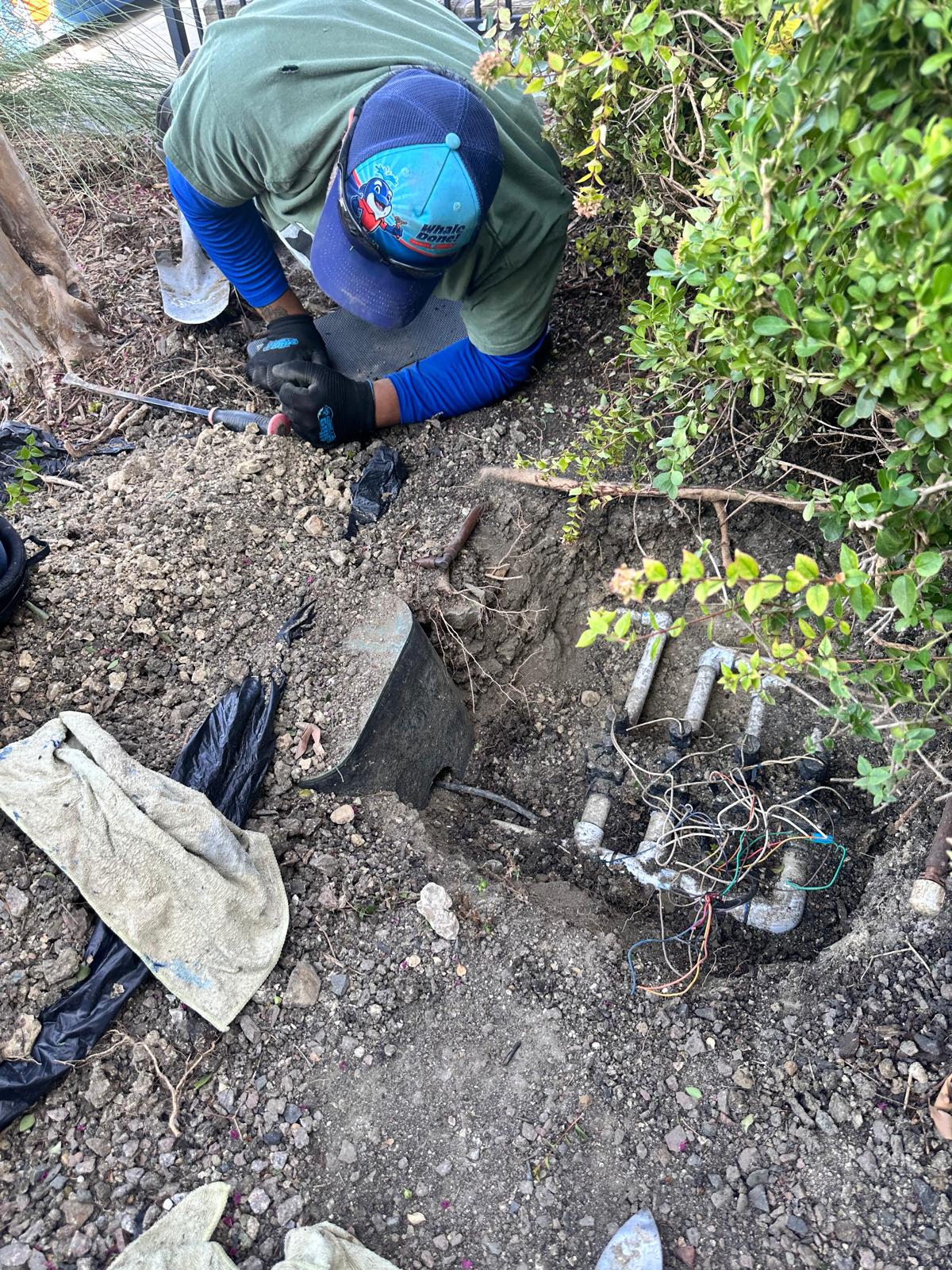
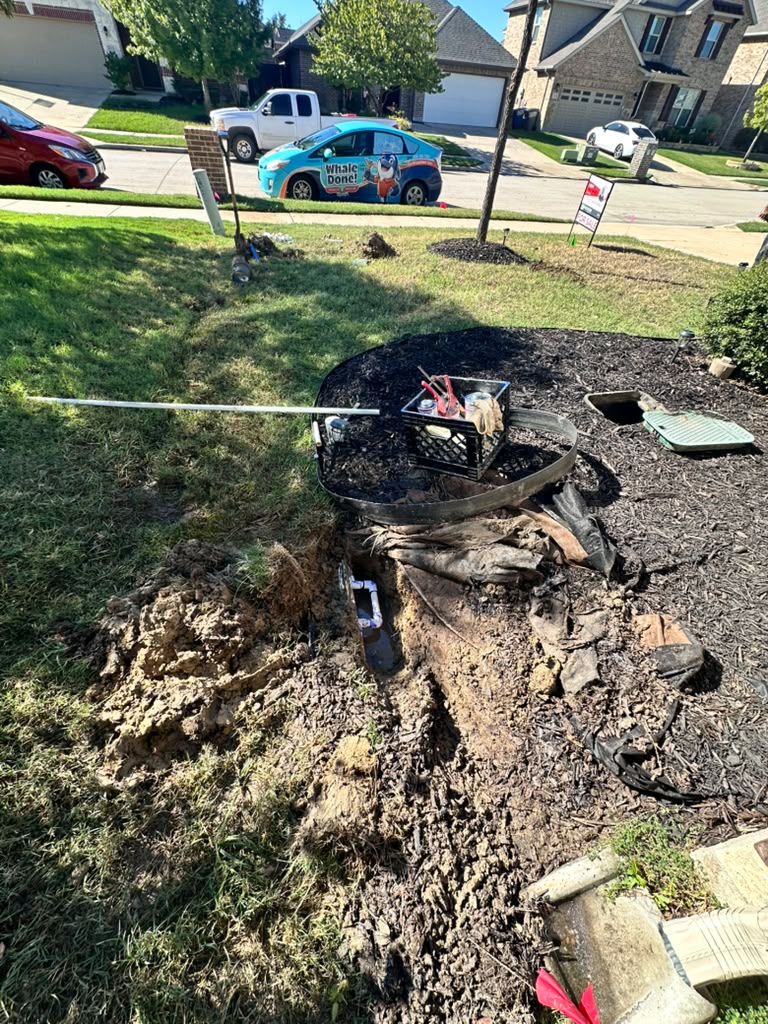
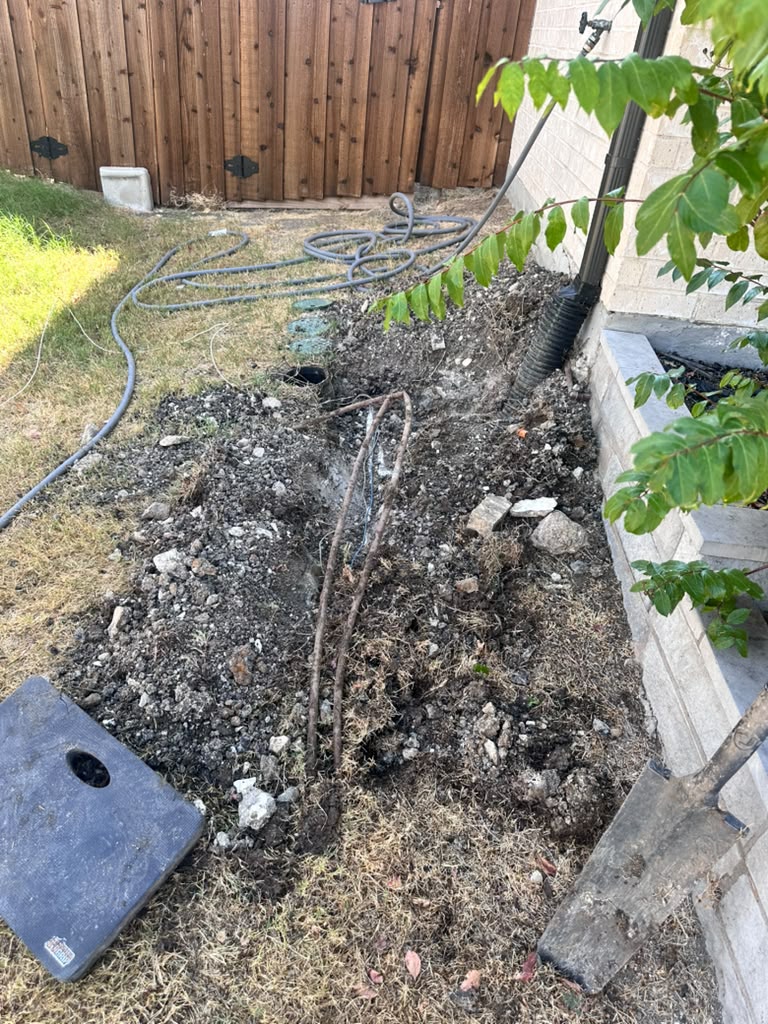
Drip irrigation installation in Fairview TX makes the most sense for flower beds, shrubs, trees, and new fall plantings. Drip delivers water slowly at the roots instead of spraying leaves, walls, and walkways, so less water is lost to wind, evaporation, and runoff. Spray heads are still the better choice for open lawn.
Fall is a good time to add drip because new plants need steady moisture while their roots settle in. A licensed sprinkler company can tell you whether your beds can connect to your existing system.
At a Glance
- Difficulty: Moderate for planning, more involved for connecting to an existing system
- Estimated time: 30-45 minutes to plan your beds
- Tools needed: Tape measure, notes app, phone camera, a sketch of your yard
- Works for: Flower beds, shrubs, trees, foundation plantings, and new fall plantings
- May not solve: Lawn coverage, low water pressure, or existing leaks and valve problems
Why Drip and Spray Heads Work Differently
Spray heads throw water through the air over a wide area. That works well for turf, where grass covers the whole surface and needs even coverage. It works less well for beds with a mix of plants, mulch, and bare soil.
Drip irrigation uses small emitters or tubing that release water slowly at the base of each plant. The water soaks into the soil near the roots rather than landing on leaves, walls, or sidewalks. Slower delivery also gives clay soil time to absorb it.
Here is the basic difference:
- Spray heads: Cover a wide area quickly and suit lawns
- Drip emitters: Water individual plants slowly at the root zone
- Drip line: Runs along a bed to water a row of plants
When Drip Suits Your Yard Better Than Spray Heads
Drip is not for every part of the yard. It tends to work best in places where spray heads waste water or cause problems.
Consider drip if you have:
- Flower beds: Spray can flatten blooms and wet leaves unevenly.
- Foundation plantings: Spray can wet walls and soil near the slab.
- New shrubs and trees: Young plants need steady water at the root ball.
- Narrow strips: Beds beside driveways and sidewalks often get overspray.
- Mixed plantings: Plants with different water needs can be watered separately.
- Raised beds and containers: Drip gives each plant a controlled amount.
If your beds share a zone with turf, the plants and grass may need very different amounts of water. That mismatch is a common reason homeowners look at drip.
What Drip Irrigation Installation in Fairview TX Usually Involves
The details depend on your layout, but most installations include a few standard parts. Knowing them helps you ask better questions.
Zone Connection
Drip is usually connected to its own valve, separate from spray zones. Spray and drip need different amounts of water and different pressure, so they shouldn’t share a zone.
Filter and Pressure Regulator
Drip components are small and can clog easily. A filter keeps debris out of the emitters. A pressure regulator brings the pressure down to a level drip tubing can handle, which is typically much lower than spray zones.
Tubing and Emitters
Tubing runs through the bed and emitters sit near each plant. Some beds use emitters at individual plants, while others use drip line along a row. The right choice depends on how your plants are spaced.
Layout Around Mulch
Tubing is often placed under mulch to protect it from sun and lawn equipment. That also helps keep soil moisture steady.
Why Fall Is a Good Time for New Plantings
Fall is a popular time to plant trees, shrubs, and perennials in North Texas. Cooler air puts less stress on plants, and roots can grow while the weather stays mild. By spring, those plants are better prepared for summer heat.
New plantings still need consistent water, though. Roots haven’t spread yet, so they depend on moisture near the root ball. Drip puts water right where it’s needed.
Fall also helps with timing:
- Cooler weather: Less evaporation than summer
- Time to adjust: You can fine-tune watering before spring growth
- Fewer surprises: Problems show up before heat arrives
How to Plan Drip for Your Beds
You can do a lot of the planning yourself before talking to anyone. These steps take about 30 to 45 minutes.
Step 1: Sketch Your Beds
Draw a simple outline of each bed. Note its length, width, and any trees or shrubs.
Step 2: List What’s Planted
Write down the plants in each bed. Group them by water needs, such as thirsty flowers and drought-tolerant shrubs.
Step 3: Check Your Current Spray Zones
Run each zone and note which ones water beds. Look for overspray onto walls, walkways, and driveways.
Step 4: Look for Problem Areas
Mark places where water pools, runs off, or never reaches the plants. Take photos so you have a reference.
Step 5: Locate Your Valves and Controller
Find your valve boxes and note how many zones you have. A licensed company can tell you if there is room to add a drip zone.
Step 6: Decide What to Convert
Choose beds that would benefit most. New plantings and narrow strips are often the easiest to start with.
Step 7: Ask for a Written Scope
If you hire someone, ask what is included. Request that connection, filter, regulator, and tubing be listed so you can compare quotes.
When Spray Heads Still Make Sense
Drip is not a replacement for everything. Spray heads or rotors usually remain the better choice for open turf, since grass needs even coverage across the whole surface.
Spray may also be fine when:
- A bed is already well covered with no overspray
- The planting is temporary
- Plants are small and densely spaced
- Your system is working well and the beds are healthy
If the current setup isn’t causing problems, there’s no need to change it. A mixed approach is common, with spray on the lawn and drip in the beds.
Common Mistakes Homeowners Make
- Putting drip on a spray zone. The pressure and water needs don’t match.
- Skipping the filter or regulator. Emitters clog and tubing can blow apart.
- Watering too quickly. Drip works by slow delivery, so short, fast cycles don’t soak the root zone.
- Burying tubing too deep. You may not notice a clog or break.
- Forgetting to adjust as plants grow. Emitters may need to move outward.
- Ignoring the controller schedule. Drip zones usually run longer but less often than spray. See our guide on how to adjust sprinkler heads.
North Texas Considerations
Local conditions affect how drip performs.
- Clay soil: Clay absorbs water slowly, so drip’s gentle delivery helps reduce runoff.
- Heat: Summer heat dries beds fast, and mulch over drip tubing helps hold moisture.
- Wind: Wind blows spray off target, but drip stays at the roots.
- Foundation movement: Steady moisture near the slab matters, and overspray can add extra water where you don’t want it.
- Seasonal watering: New fall plantings need regular checks until roots settle.
- Water restrictions: Check current watering rules with the Town of Fairview and your water provider before changing schedules.
For general guidance on efficient outdoor watering, the EPA’s WaterSense outdoor resources are a helpful reference. For plant selection and care in Texas, Texas A&M’s Aggie Horticulture offers research-based advice.
Related Problems That Look Like Drip Issues
If a bed still looks dry or soggy, the problem may not be the watering method. Possible causes include:
- Clogged emitters: Dirt and mineral buildup can block flow.
- Low water pressure: Weak flow can affect how well a zone works.
- A stuck valve: A valve that doesn’t open fully reduces flow. See our guide on sprinkler valve repair.
- A leak: Soggy ground can point to a broken line. Read about sprinkler leak detection.
- Poor drainage: Low spots may hold water no matter how it’s delivered.
- Controller settings: Schedules that don’t match plant needs can cause over or under watering.
Frequently Asked Questions
Is drip irrigation better than spray heads for flower beds?
For most beds, yes. Drip waters the roots directly and reduces overspray onto leaves, walls, and walkways. Spray heads are still better suited to open lawn.
Can drip irrigation be added to an existing sprinkler system?
Often it can, usually on its own valve or zone. A licensed sprinkler company can check whether your system has room for another zone and what connection is needed.
Do new fall plantings need drip irrigation?
Not always, but it can help. New plants need steady moisture while roots settle, and drip delivers it near the root ball. Hand watering or spray may also work if watched closely.
How often should drip irrigation run?
It depends on the plants, soil, and season. Drip generally runs longer and less often than spray, so water soaks in slowly. Check soil moisture a few inches down to adjust.
Can drip irrigation water my lawn?
Drip is usually not the best choice for turf, which needs even coverage across the whole surface. Spray heads or rotors are typically better for lawns.
Conclusion
Drip irrigation installation in Fairview TX is a good fit for flower beds, shrubs, and new fall plantings that need slow, steady water at the roots. Check your bed layout, plant types, and current zones before deciding. If you’re unsure whether a bed can connect to your existing system, a licensed sprinkler company can review it and explain your options. Our goal is to help you choose the watering method that best fits each bed, shrub, and lawn area.