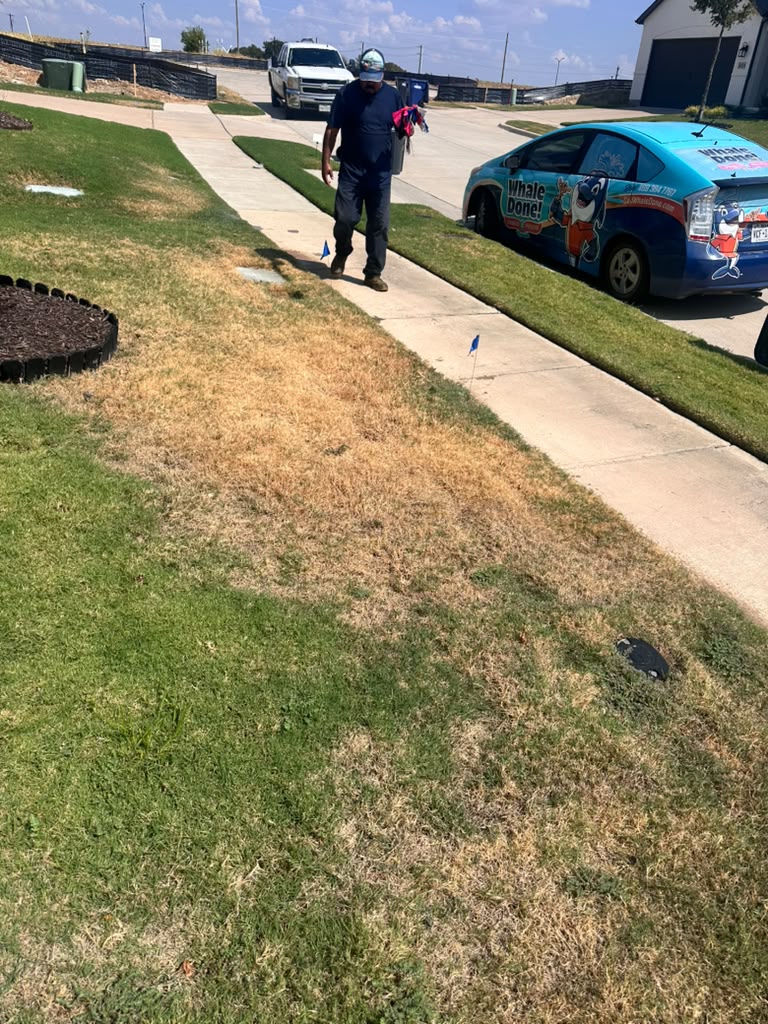
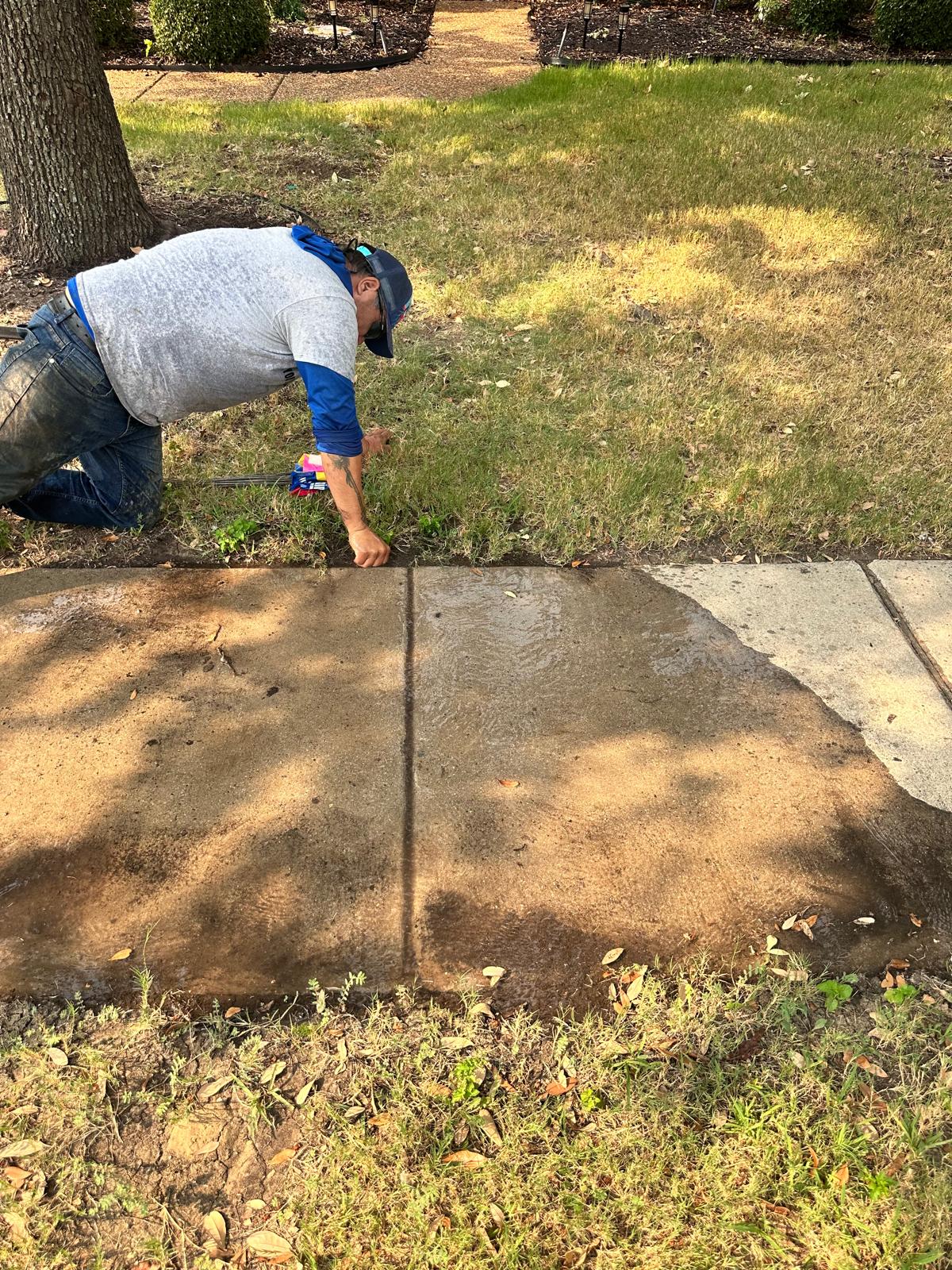
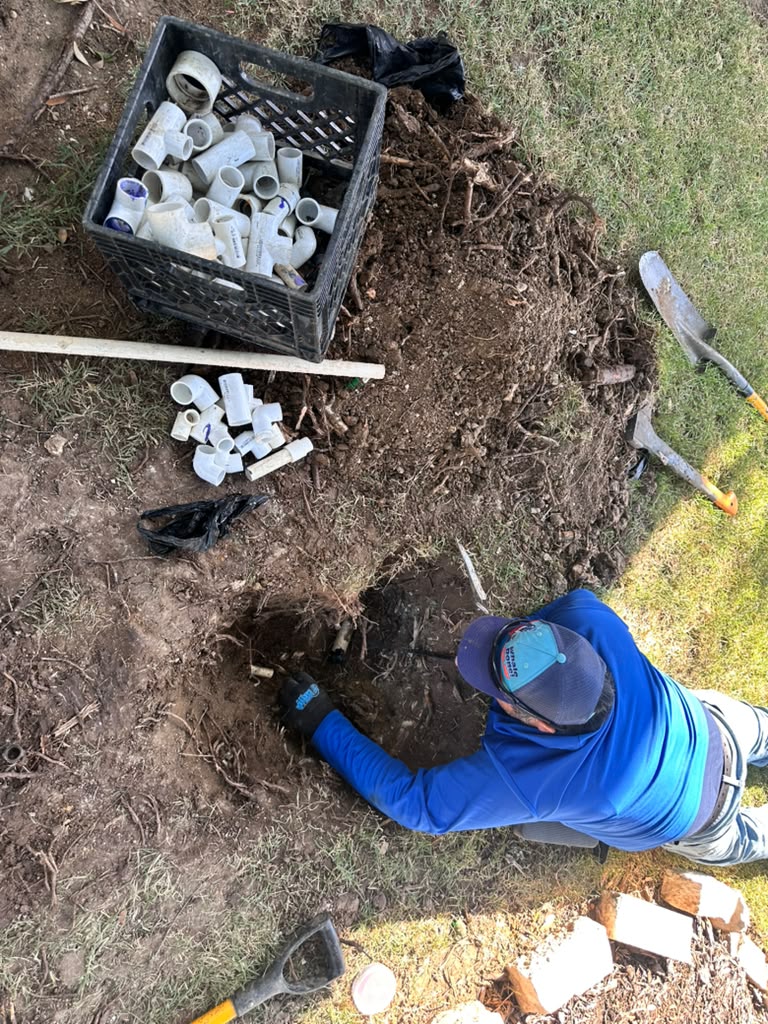
A Sprinkler Leak In Fairview TX may seem like a minor issue at first, but even a small leak can significantly increase water bills over time. Many homeowners assume that a dripping sprinkler head or a small underground leak is harmless, yet these problems often lead to unnecessary water waste, higher utility costs, and potential landscape damage. Understanding how sprinkler leaks affect water consumption can help property owners take prompt action before a small issue becomes a costly repair.
Modern irrigation systems are designed to deliver precise amounts of water to lawns and landscapes. When leaks develop, the system loses efficiency, causing water to escape before reaching its intended destination. This forces the system to work harder and use more water than necessary. In areas where maintaining healthy lawns is important, homeowners should be aware of how leaks can impact both their landscapes and monthly expenses.
Understanding Sprinkler Leaks
A sprinkler leak occurs when water escapes from the irrigation system through damaged components, loose fittings, cracked pipes, malfunctioning valves, or worn sprinkler heads. Some leaks are visible above ground, while others remain hidden beneath the soil for months.
Common types of sprinkler leaks include:
- Leaking sprinkler heads
- Broken underground pipes
- Damaged valve connections
- Cracked fittings
- Faulty backflow devices
- Loose pipe joints
Although some leaks may appear insignificant, even a slow drip can waste hundreds of gallons of water over time.
How Small Sprinkler Leaks Increase Water Bills
Many homeowners underestimate the amount of water lost through small leaks. Water continuously escaping from a damaged component adds up day after day. As the irrigation system continues operating, the wasted water contributes directly to higher utility costs.
Continuous Water Loss
A small leak that drips throughout the day can waste a surprising amount of water. While a few drops may seem insignificant, the cumulative effect over weeks and months can become substantial.
For example:
- One leaking sprinkler head may waste gallons of water daily.
- Multiple small leaks can dramatically increase monthly water usage.
- Underground leaks may run unnoticed for extended periods.
The longer a leak remains untreated, the more water is lost and the higher the resulting water bill.
Longer Irrigation Cycles
When leaks reduce water pressure, sprinkler systems may not distribute water evenly across the landscape. Homeowners often respond by increasing irrigation times to compensate for dry spots.
This leads to:
- Higher water consumption
- Increased utility expenses
- Excessive strain on irrigation equipment
The result is a cycle of inefficiency that can continue until the leak is identified and repaired.
Hidden Underground Leaks
Underground pipe leaks are particularly problematic because they often remain undetected. Water may seep into the surrounding soil without obvious signs on the surface.
Hidden leaks can:
- Waste large amounts of water
- Cause soil erosion
- Damage landscaping
- Increase monthly bills significantly
Because these leaks are difficult to spot, routine inspections are important for early detection.
Warning Signs of a Sprinkler Leak
Recognizing the symptoms of a sprinkler leak can help homeowners address problems before they worsen.
Common warning signs include:
Unusually High Water Bills
One of the clearest signs of a sprinkler leak is an unexpected increase in water bills. When household water usage remains consistent but costs rise, the irrigation system may be wasting water.
Soggy Areas in the Yard
Wet, muddy, or constantly saturated spots in the lawn that remain long after irrigation cycles have ended often indicate hidden underground leaks that require prompt inspection and repair.
Reduced Water Pressure
A noticeable drop in water pressure can suggest a damaged pipe, leaking connection, or faulty valve. Sprinkler heads may spray unevenly, reducing coverage and irrigation efficiency.
Pooling Water Around Sprinkler Heads
Water gathering around sprinkler heads during operation may indicate worn seals, cracked components, or loose fittings. These issues can waste water and reduce overall system performance.
Dead or Overwatered Grass
Sprinkler leaks often create inconsistent watering patterns, leaving some areas overly saturated while others receive insufficient moisture, resulting in unhealthy grass, brown patches, or excessive growth.
Environmental Impact of Sprinkler Leaks
Beyond increasing utility costs, sprinkler leaks contribute to unnecessary water waste. Water conservation has become increasingly important as communities seek sustainable ways to manage natural resources.
A leaking irrigation system can:
- Waste thousands of gallons annually
- Increase runoff
- Promote soil erosion
- Encourage weed growth
- Contribute to water shortages
According to the EPA WaterSense program, maintaining irrigation systems properly helps reduce water waste and improve overall efficiency.
Addressing leaks promptly benefits both homeowners and the environment.
Common Causes of Sprinkler Leaks
Understanding the causes of leaks can help prevent future problems.
Aging Components
Over time, sprinkler system components naturally wear out due to continuous use. Rubber seals, valves, fittings, and sprinkler heads can deteriorate from aging, temperature changes, and prolonged exposure to outdoor weather conditions.
Ground Movement
Soil naturally expands and contracts because of moisture fluctuations, drought, and seasonal weather changes. This movement places stress on underground irrigation pipes, increasing the risk of cracks, joint separation, and leaks.
Tree Root Intrusion
Tree roots actively search for water sources and can grow toward irrigation systems. As roots expand around or through underground pipes, they may cause blockages, cracks, pressure issues, and water leaks.
Accidental Damage
Landscaping improvements, fence installations, gardening activities, and construction projects can unintentionally strike underground sprinkler lines. Even minor impacts may puncture pipes, loosen connections, or create leaks that worsen over time.
Improper Installation
Incorrect installation methods, poor-quality materials, or improperly secured connections can create vulnerable areas within the irrigation system. These weak points may eventually fail, resulting in leaks, inefficiency, and costly repairs.
The Irrigation Association emphasizes proper system design and maintenance to maximize efficiency and minimize water loss.
Why Early Leak Detection Matters
The earlier a leak is identified, the easier and less expensive it is to repair. Small issues often become major repairs when ignored.
Benefits of early leak detection include:
- Lower Water Bills: Fixing leaks quickly prevents ongoing water waste and helps reduce utility costs.
- Reduced Repair Expenses: Minor repairs are generally less expensive than replacing extensive sections of damaged irrigation systems.
- Healthier Landscapes: Consistent water distribution supports healthier lawns, plants, and flower beds.
- Improved System Performance: A leak-free system operates more efficiently and delivers water where it is needed most.
- Extended Equipment Lifespan: Reducing unnecessary strain helps irrigation components last longer.
The Texas A&M AgriLife Extension Service recommends routine irrigation evaluations to improve water conservation and system performance.
Professional Inspection vs. DIY Detection
Homeowners can identify some sprinkler leaks themselves, but professional inspections often uncover hidden issues that may otherwise go unnoticed.
DIY Inspection Methods
Property owners can:
- Observe sprinkler heads during operation
- Check for wet areas
- Monitor water bills
- Inspect visible pipes and fittings
These simple checks can reveal obvious problems.
Benefits of Professional Inspections
Professionals use specialized equipment to detect:
- Underground leaks
- Pressure irregularities
- Valve malfunctions
- Coverage issues
- Hidden pipe damage
Advanced diagnostic methods help locate problems accurately and efficiently.
For additional water conservation guidance, homeowners can review recommendations from the Alliance for Water Efficiency.
Preventing Future Sprinkler Leaks
Preventative maintenance remains one of the most effective ways to reduce the likelihood of sprinkler leaks.
Schedule Regular Inspections
Routine sprinkler system inspections help identify minor issues such as worn seals, loose fittings, damaged sprinkler heads, and small leaks before they become major problems. Regular evaluations improve system performance, reduce water waste, and help avoid costly repairs in the future.
Replace Worn Components
Aging sprinkler heads, valves, seals, and other irrigation components can deteriorate over time due to constant use and exposure to weather conditions. Replacing worn parts promptly helps maintain efficient water distribution, prevent leaks, and extend the lifespan of the entire system.
Monitor Water Usage
Regularly reviewing monthly water bills and tracking irrigation usage can help detect unexpected increases in consumption. Sudden spikes may indicate hidden leaks, malfunctioning components, or inefficient watering practices, allowing homeowners to address problems before significant water waste occurs.
Adjust Seasonal Settings
Changing sprinkler schedules according to seasonal weather conditions helps ensure landscapes receive the appropriate amount of water throughout the year. Proper adjustments reduce unnecessary watering, minimize strain on irrigation equipment, improve efficiency, and contribute to lower utility costs.
Protect Irrigation Lines
Before starting any landscaping, construction, or digging project, it is important to locate underground irrigation lines. Taking precautions helps prevent accidental pipe damage, costly repairs, water loss, and interruptions to the sprinkler system’s overall performance and effectiveness.
The Financial Cost of Ignoring Small Leaks
Many homeowners delay repairs because a leak appears minor. However, the long-term financial impact can be substantial.
Ignoring leaks may result in:
- Increased water bills
- Costly landscape restoration
- Soil erosion repairs
- Pipe replacement expenses
- Valve replacement costs
- Reduced property appearance
What begins as a small drip can eventually require extensive repairs if left unresolved.
How Efficient Irrigation Supports Property Value
A properly functioning irrigation system contributes to overall property maintenance and curb appeal. Healthy lawns and landscapes create positive first impressions and support property value.
Efficient irrigation systems help:
- Maintain attractive landscaping
- Prevent plant stress
- Reduce water waste
- Lower operating costs
- Support environmental responsibility
Homeowners who invest in regular maintenance often experience fewer irrigation-related problems and better long-term performance.
Conclusion
A Sprinkler Leak In Fairview TX can absolutely increase water bills, even when the leak appears small. Continuous water loss, reduced irrigation efficiency, hidden underground damage, and longer watering cycles can all contribute to higher monthly expenses. Addressing leaks early helps conserve water, protect landscapes, improve system performance, and prevent costly repairs in the future.
If you suspect a Sprinkler Leak In Fairview TX, professional inspection and timely repairs can help restore efficiency and reduce unnecessary water waste. For expert assistance, contact Whale Done Sprinklers & Irrigation at +1(469) 384-7767 or email clientsupport@callwhaledone.com to schedule an irrigation system evaluation.