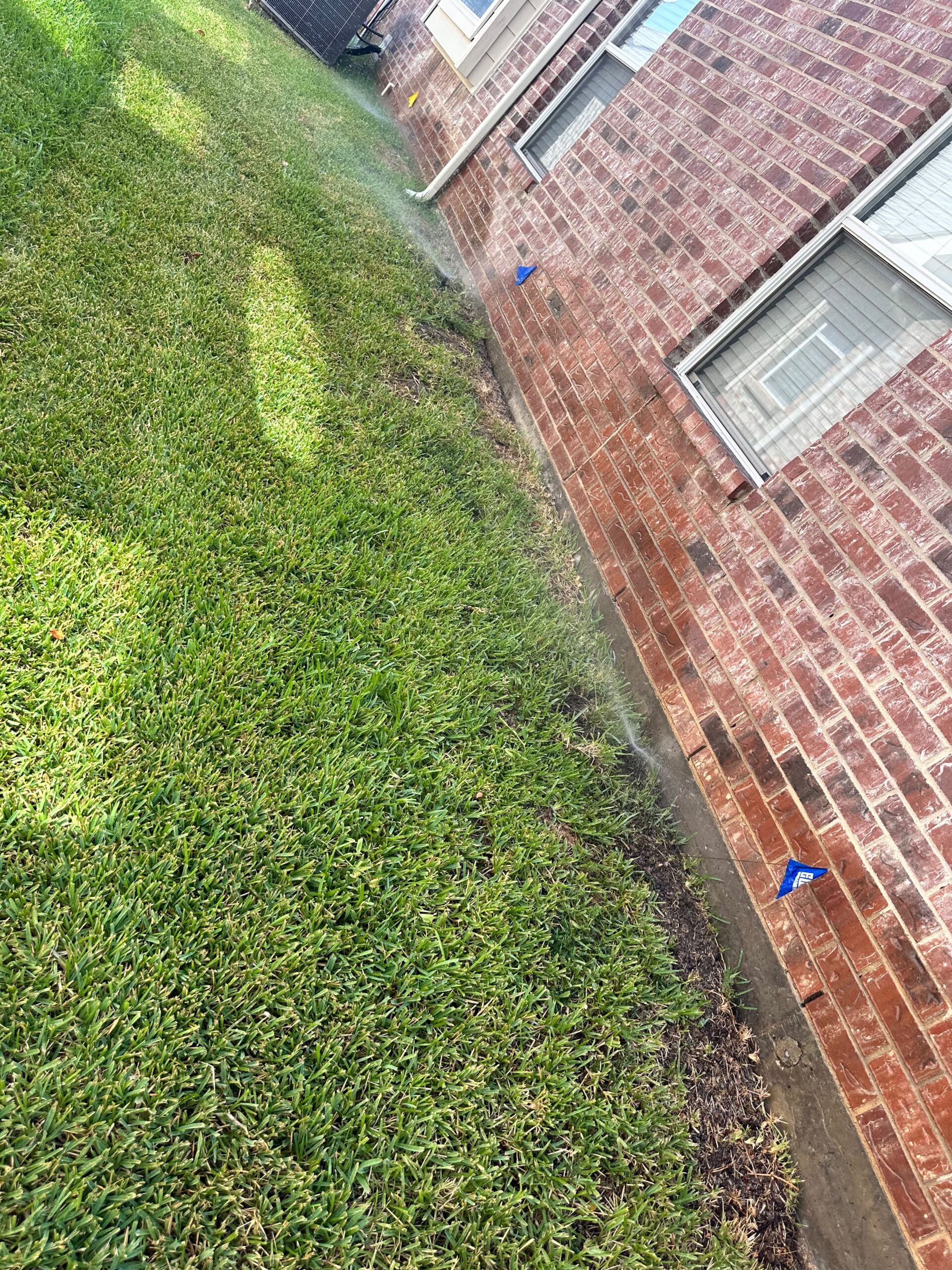
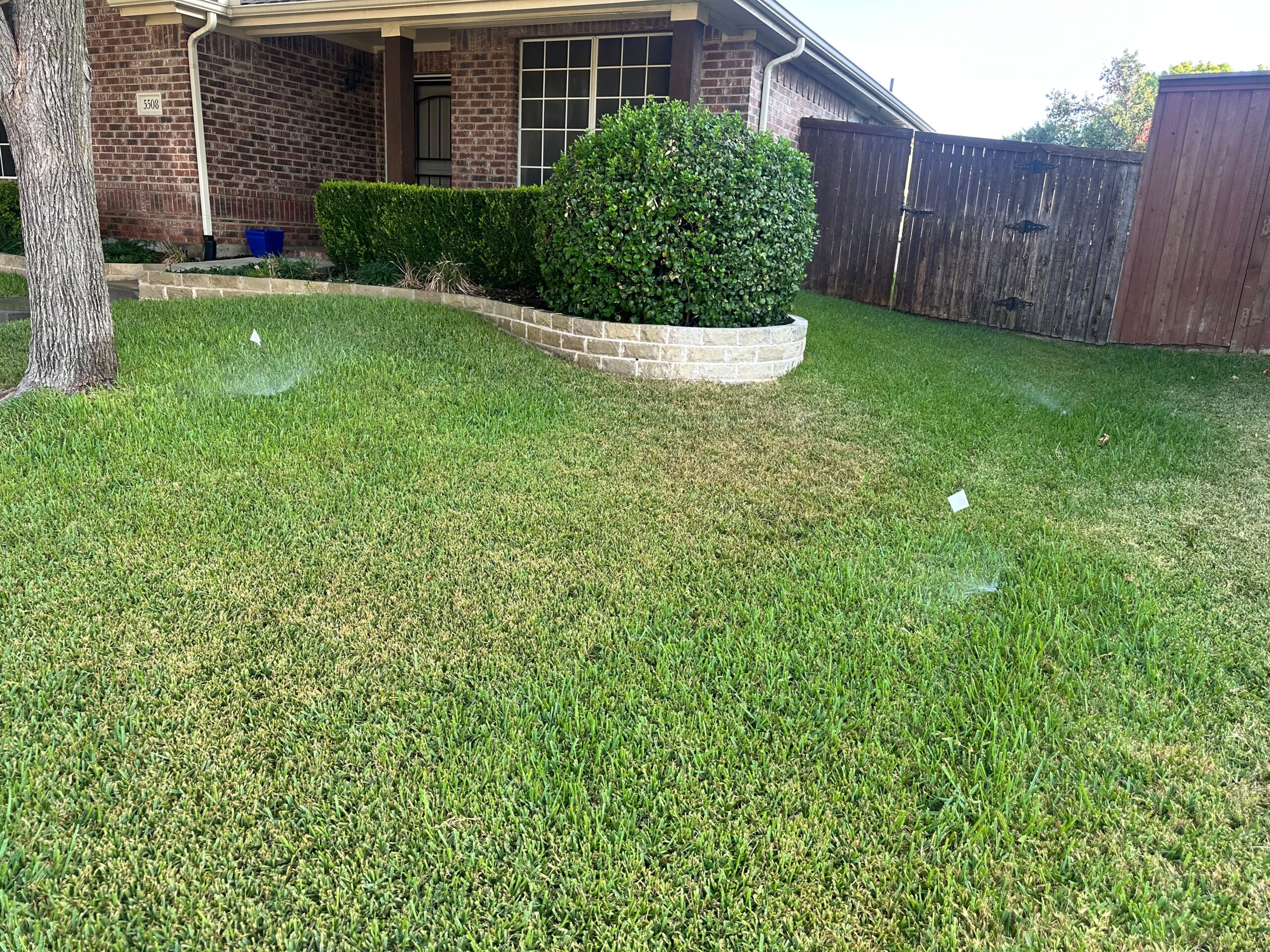
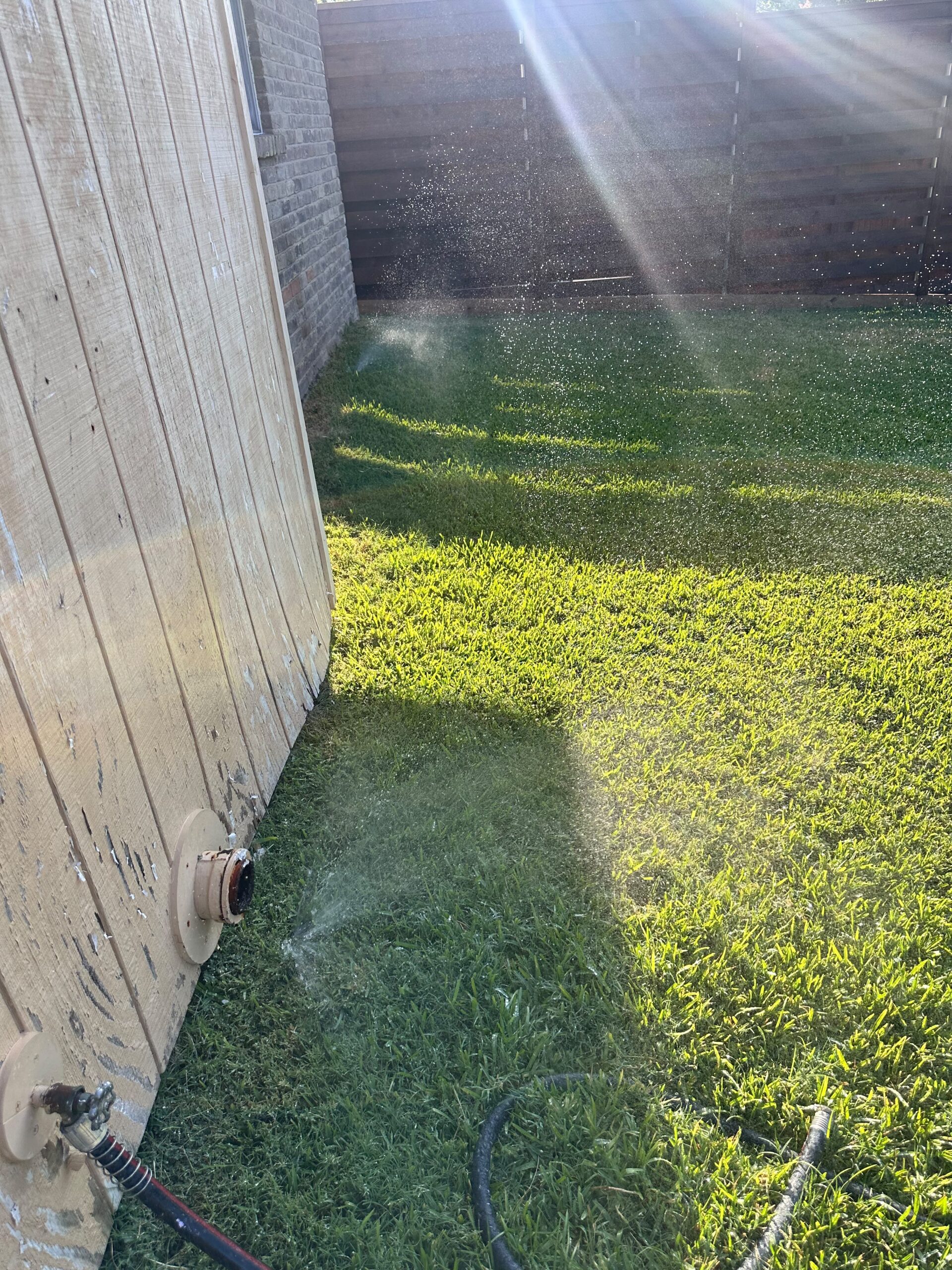
Sprinkler Inspections In Celina TX are an important part of maintaining a healthy lawn, protecting landscaping investments, and preventing unnecessary water waste. Many homeowners prefer to inspect their irrigation systems themselves to save money and address minor concerns before they become larger problems. While routine visual checks can be beneficial, DIY inspections often lead to overlooked issues that may result in costly repairs, poor lawn performance, and higher water bills.
A sprinkler system contains multiple components that work together to distribute water efficiently across a property. Even a small mistake during an inspection can prevent homeowners from identifying hidden leaks, pressure issues, damaged valves, or malfunctioning sprinkler heads. Understanding the most common DIY inspection mistakes can help property owners recognize potential problems early and determine when professional assistance may be necessary.
Why Regular Sprinkler Inspections Matter
A sprinkler system operates underground and often runs automatically, making it easy for issues to go unnoticed. Regular inspections help ensure that every component functions properly and delivers the right amount of water where it is needed.
Benefits of routine inspections include:
- Reduced water waste
- Lower utility costs
- Improved lawn health
- Prevention of landscape damage
- Extended system lifespan
- Early detection of leaks and failures
- More consistent irrigation coverage
According to the EPA WaterSense program, efficient irrigation practices can significantly reduce outdoor water consumption while maintaining healthy landscapes.
Mistake #1: Only Looking for Visible Leaks
One of the most common mistakes homeowners make is assuming that all sprinkler leaks are easy to spot. While some leaks create obvious puddles or standing water, many occur underground.
Hidden leaks may cause:
- Soft or soggy soil
- Unexplained increases in water bills
- Brown patches of grass
- Soil erosion
- Reduced water pressure
A DIY inspection that focuses only on visible water may miss underground pipe damage that continues to waste water over time.
Professional inspections often include pressure testing and zone-by-zone evaluations to identify concealed leaks that cannot be seen from the surface.
Mistake #2: Ignoring Water Pressure Issues
Many homeowners concentrate on sprinkler heads while overlooking water pressure. Pressure problems can affect the entire irrigation system.
Signs of pressure issues include:
- Sprinkler misting
- Uneven spray patterns
- Heads failing to pop up completely
- Excessive runoff
- Inconsistent watering
High pressure can damage sprinkler components and increase water consumption. Low pressure may prevent adequate coverage, leaving sections of the lawn under-watered.
Monitoring pressure during inspections helps ensure the system operates efficiently.
Mistake #3: Inspecting Only One Zone
Modern irrigation systems typically contain multiple watering zones. A homeowner may activate one zone, observe normal operation, and assume the entire system is functioning correctly.
This approach often leads to missed problems because:
- Different zones may have unique leaks
- Valves can fail independently
- Coverage patterns vary
- Pressure fluctuations may occur in specific areas
Each zone should be inspected separately to verify proper operation throughout the property.
Mistake #4: Overlooking Sprinkler Head Alignment
Sprinkler heads can shift over time due to:
- Soil movement
- Landscaping activities
- Foot traffic
- Lawn maintenance equipment
Misaligned heads frequently spray sidewalks, driveways, fences, or structures instead of turf and plants.
During inspections, homeowners should verify that every sprinkler head is directing water toward the intended coverage area.
The Irrigation Association recommends regular evaluations to improve irrigation efficiency and reduce water waste.
Mistake #5: Failing to Check for Clogged Nozzles
Dirt, debris, grass clippings, and mineral deposits can obstruct sprinkler nozzles.
A clogged nozzle may cause:
- Uneven water distribution
- Reduced spray distance
- Dry patches
- Increased stress on plants
Many homeowners overlook nozzle inspections because sprinklers appear operational at first glance.
Carefully examining spray patterns can reveal partial blockages that impact system performance.
Mistake #6: Not Monitoring Coverage Uniformity
A sprinkler system should provide even watering throughout the landscape.
DIY inspections often focus on whether sprinklers turn on rather than whether they deliver consistent coverage.
Poor coverage can create:
- Dry spots
- Overwatered areas
- Lawn disease
- Increased water consumption
Property owners should observe overlapping spray patterns to ensure all areas receive adequate moisture.
Uniform coverage plays a critical role in maintaining healthy grass and landscaping.
Mistake #7: Forgetting to Inspect Valves
Valves regulate water flow to each irrigation zone.
When valves malfunction, they can cause:
- Continuous water flow
- Zones that fail to activate
- Reduced pressure
- Water waste
Because valves are often installed underground, they are frequently ignored during DIY inspections.
A complete inspection should include checking valve boxes for moisture, corrosion, and signs of damage.
Mistake #8: Assuming Brown Grass Means Lack of Water
Many homeowners see brown patches and immediately increase watering schedules.
However, brown grass may result from:
- Leaks
- Compacted soil
- Fungal issues
- Broken sprinkler heads
- Coverage gaps
Adding more water without identifying the root cause can worsen existing problems and increase utility expenses.
Effective inspections involve investigating all potential causes before adjusting irrigation schedules.
Mistake #9: Neglecting Seasonal Adjustments
Irrigation needs to change throughout the year.
A system that performs well during spring may require modifications during summer or fall.
Common seasonal adjustments include:
- Run time changes
- Schedule updates
- Rain sensor checks
- Controller programming
Homeowners who fail to review seasonal settings may unintentionally overwater or underwater their landscapes.
The Texas A&M AgriLife Extension provides educational resources on proper landscape watering practices and seasonal irrigation management.
Mistake #10: Skipping Controller Inspections
The controller acts as the brain of the irrigation system.
Many DIY inspections focus exclusively on sprinkler heads while ignoring controller settings.
Controller-related issues may include:
- Incorrect schedules
- Power interruptions
- Programming errors
- Faulty sensors
A quick review of controller settings can prevent unnecessary watering and improve overall efficiency.
Mistake #11: Missing Signs of Underground Pipe Damage
Underground pipe damage can occur due to:
- Tree root intrusion
- Soil shifting
- Construction activity
- Aging materials
Since the pipes are buried, homeowners may not recognize problems until significant damage occurs.
Potential warning signs include:
- Areas of unusually green grass
- Persistent wet spots
- Sinkholes
- Unexpected pressure loss
A thorough inspection should consider these indicators even when no visible leak is present.
Mistake #12: Overlooking Rain and Moisture Sensors
Modern irrigation systems often include sensors that help prevent unnecessary watering.
These devices can become:
- Disconnected
- Damaged
- Miscalibrated
If sensors fail, sprinklers may continue operating during or after rainfall.
Inspecting sensors helps improve water conservation and system efficiency.
Additional information on efficient irrigation practices can be found through the Outdoor Water Use Guide.
Mistake #13: Performing Inspections Too Quickly
A rushed inspection frequently misses developing issues.
Homeowners may activate a zone for only a few seconds before moving on.
Some problems become noticeable only after several minutes of operation, including:
- Slow leaks
- Valve failures
- Pressure drops
- Coverage inconsistencies
Allowing each zone to run long enough for proper observation can improve inspection accuracy.
Mistake #14: Not Documenting Findings
Another common mistake is failing to keep records.
Documenting observations helps homeowners:
- Track recurring issues
- Identify worsening conditions
- Plan maintenance schedules
- Improve repair decisions
Photos and written notes provide valuable reference points for future inspections.
Mistake #15: Attempting Complex Repairs Without Proper Knowledge
DIY inspections can identify many visible concerns, but some homeowners attempt repairs beyond their expertise.
Complex issues often involve:
- Electrical troubleshooting
- Valve replacement
- Underground pipe repairs
- Controller diagnostics
- Pressure regulation adjustments
Incorrect repairs can create additional damage and increase long-term costs.
Recognizing when professional assistance is needed can help protect the irrigation system and prevent unnecessary expenses.
Best Practices for Effective Sprinkler Inspections
To improve inspection results, homeowners should follow several key practices:
Inspect Every Zone
Run each irrigation zone individually and carefully observe how it performs. Watch for leaks, clogged heads, uneven spray patterns, pooling water, or areas receiving insufficient coverage during operation.
Check Coverage Patterns
Examine watering distribution throughout the landscape and identify dry patches, overspray onto hard surfaces, or inconsistent coverage that may affect plant health and water efficiency.
Monitor Water Pressure
Pay close attention to water pressure while the system operates. Look for misting, weak sprays, irregular performance, or sudden fluctuations that may indicate underlying issues.
Examine Components Closely
Thoroughly inspect sprinkler heads, nozzles, valves, sensors, controllers, and fittings for signs of wear, damage, blockages, misalignment, or other conditions that could impact performance.
Keep Inspection Records
Maintain detailed records of inspection findings, including photographs, notes, and repair recommendations. Accurate documentation helps track system performance and supports future maintenance decisions.
Schedule Routine Evaluations
Perform regular irrigation inspections throughout the year to detect minor issues early, improve system efficiency, conserve water, and reduce the likelihood of costly repairs.
How Professional Inspections Differ From DIY Checks
Professional irrigation specialists use advanced techniques to identify hidden issues that homeowners may overlook.
Professional inspections may include:
- Pressure testing
- Valve diagnostics
- Leak detection
- Coverage analysis
- Controller evaluation
- System efficiency assessments
These detailed evaluations can reveal underlying problems that are difficult to detect through visual observation alone.
For homeowners seeking long-term irrigation performance, combining routine monitoring with professional assessments can provide the most reliable results.
Conclusion
Sprinkler Inspections In Celina TX play a vital role in maintaining efficient irrigation systems, healthy landscapes, and responsible water usage. While DIY inspections can help identify obvious concerns, homeowners often make mistakes such as overlooking hidden leaks, ignoring pressure issues, skipping zone checks, or failing to inspect controllers and valves. Recognizing these common errors can improve inspection accuracy and help prevent costly repairs in the future.
For professional irrigation evaluations and expert support, contact Whale Done Sprinklers & Irrigation. Their experienced team can help ensure your system operates efficiently and reliably throughout the year.
Business Name: Whale Done Sprinklers & Irrigation
Phone: +1 (469) 384-7767
Email: clientsupport@callwhaledone.com