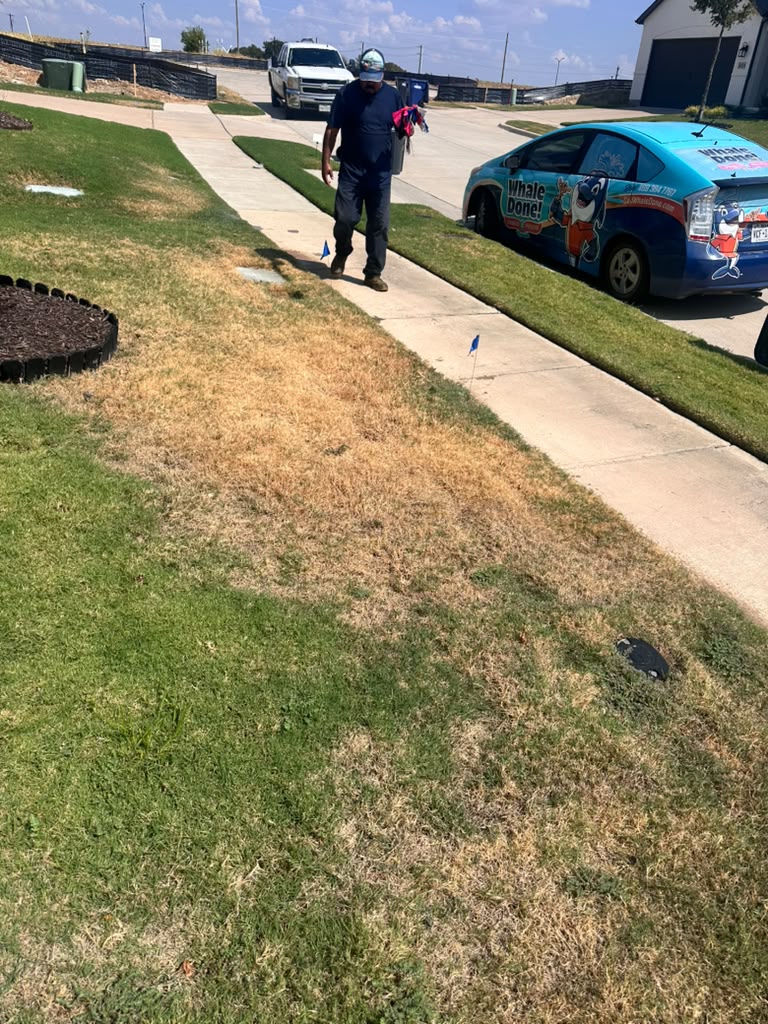
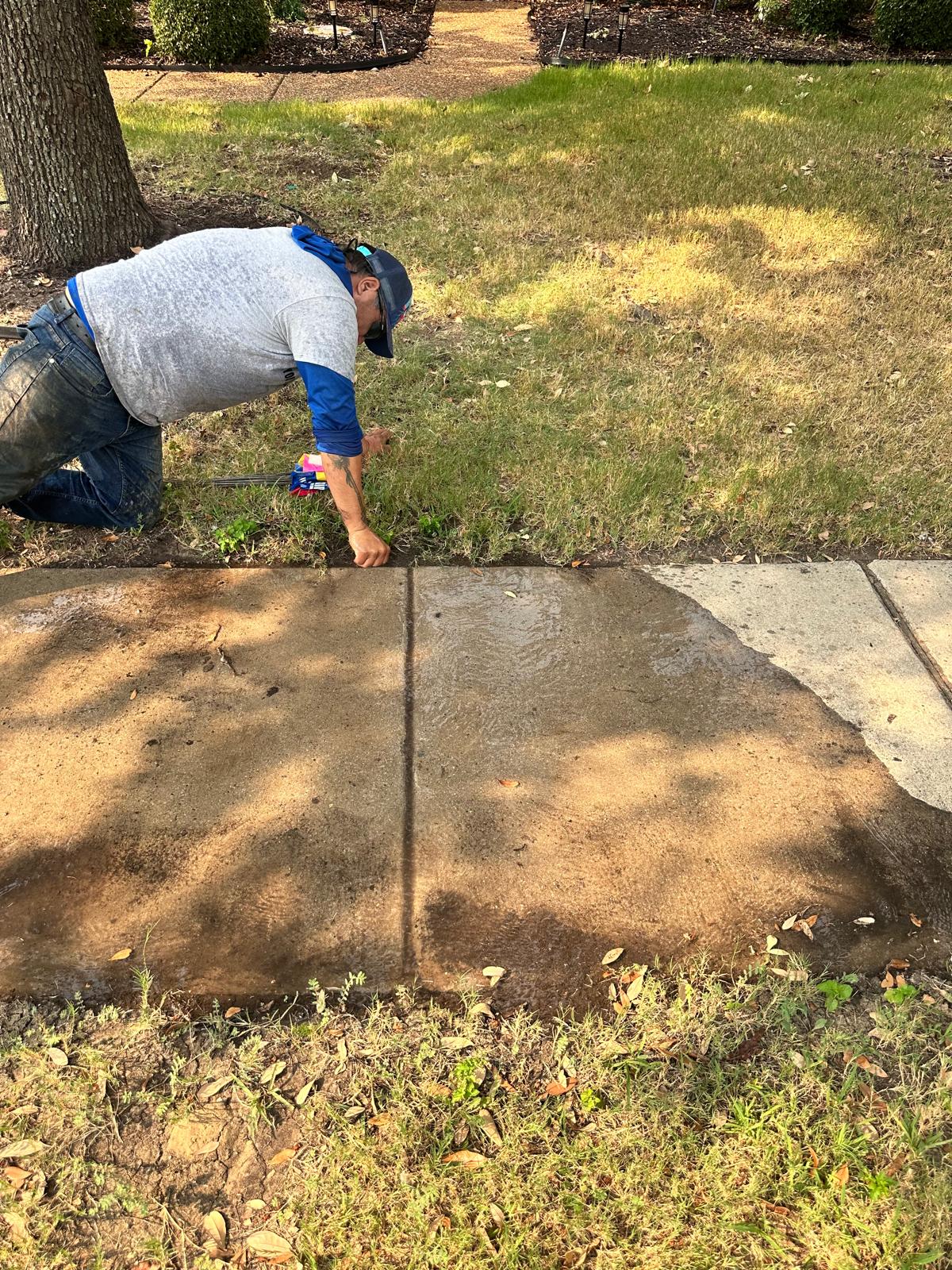
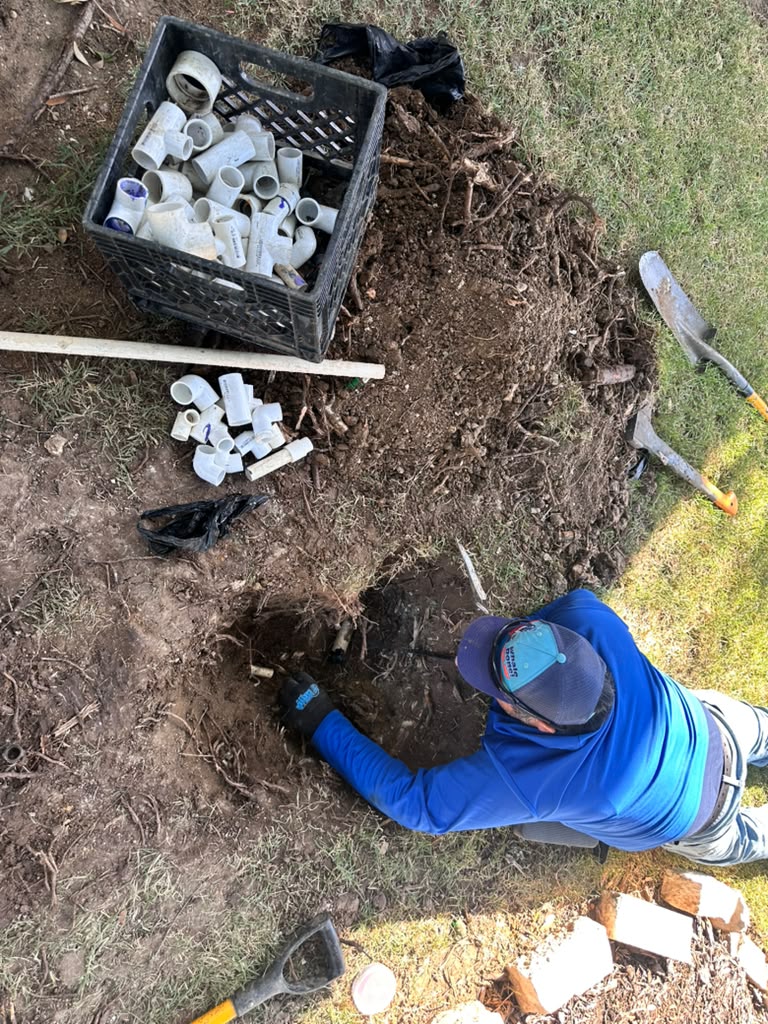
Sprinkler Inspection In Melissa TX is one of the most important maintenance services homeowners should schedule before the summer season arrives. As temperatures rise across North Texas, irrigation systems are placed under increased demand to keep lawns, gardens, and landscapes healthy. A professional inspection helps identify hidden issues, improve water efficiency, and ensure the entire system is prepared to operate effectively throughout the hottest months of the year.
Many homeowners wait until they notice dry patches, water pooling, or unusually high utility bills before addressing irrigation concerns. However, preventative inspections can uncover minor problems before they become expensive repairs. By preparing your sprinkler system ahead of summer, you can maintain a healthy landscape while conserving water and protecting your investment.
Understanding How Summer Affects Irrigation Systems
Summer places significant stress on sprinkler systems. Higher temperatures increase evaporation rates, causing landscapes to require more consistent watering. During this time, every sprinkler component—from valves and pipes to sprinkler heads and controllers—must function correctly to deliver adequate moisture.
Without a thorough inspection, hidden problems may go unnoticed. Small leaks, clogged nozzles, damaged sprinkler heads, or faulty timers can reduce system performance and waste substantial amounts of water. As watering demands increase during summer, these issues often become more noticeable and more costly.
A professional inspection evaluates the entire irrigation system to ensure each component is operating efficiently before peak watering season begins.
Early Detection of Hidden Leaks
One of the biggest benefits of scheduling a sprinkler inspection before summer is identifying hidden leaks. Underground pipe leaks can remain undetected for weeks or even months while continuously wasting water.
Professional inspectors look for signs such as:
- Unexpectedly wet areas in the lawn
- Low water pressure
- Uneven watering patterns
- Soggy soil around sprinkler heads
- Increased water bills
According to the EPA WaterSense program, irrigation system leaks can waste significant amounts of water if not promptly repaired. Identifying leaks before summer helps homeowners reduce waste and improve system efficiency.
Addressing small leaks early also prevents potential landscape damage and helps avoid larger repair expenses later in the season.
Improving Water Efficiency
Water conservation becomes increasingly important during hot weather. A sprinkler system that operates inefficiently may overwater certain areas while leaving others dry.
A professional inspection helps optimize water distribution by evaluating:
- Sprinkler head alignment
- Spray coverage
- Water pressure levels
- Zone performance
- Controller programming
Proper adjustments ensure water reaches the intended areas without excessive runoff or overspray. Efficient irrigation not only supports healthy plant growth but also helps reduce monthly utility costs.
When every zone is functioning properly, homeowners can maintain attractive landscapes while using water more responsibly.
Preventing Costly Summer Repairs
Minor irrigation problems often become major issues when systems operate more frequently during summer. A cracked sprinkler head, damaged valve, or partially clogged nozzle may seem insignificant during cooler months but can lead to substantial performance issues once watering schedules increase.
Routine inspections allow professionals to identify and repair small defects before they escalate. This preventative approach can save homeowners from emergency repairs, unexpected water loss, and landscape damage during the hottest part of the year.
Proactive maintenance often costs significantly less than addressing major irrigation failures after they occur.
Protecting Lawn Health During Extreme Heat
Healthy lawns depend on consistent and accurate watering. Even small irrigation problems can create dry spots that become more noticeable as temperatures rise.
During an inspection, technicians evaluate whether each area of the landscape receives adequate coverage. They check for:
- Blocked spray patterns
- Misaligned sprinkler heads
- Uneven water distribution
- Insufficient pressure
- Damaged nozzles
Correcting these issues before summer helps ensure lawns receive the moisture needed to withstand heat stress.
The Texas A&M AgriLife Extension recommends proper irrigation management to promote healthy turf growth and reduce water waste. Well-maintained systems support stronger root development and healthier landscapes throughout the summer season.
Ensuring Proper Controller Settings
Many homeowners overlook their irrigation controller when preparing for summer. However, seasonal adjustments are critical for efficient watering.
A sprinkler inspection includes reviewing controller settings to ensure watering schedules align with current weather conditions and landscape requirements.
Professionals may evaluate:
- Start times
- Run durations
- Seasonal adjustments
- Zone-specific settings
- Rain sensor functionality
Outdated programming can result in excessive watering or insufficient moisture delivery. Adjusting settings before summer helps improve efficiency and supports healthier plant growth.
Modern irrigation controllers often include advanced features that can further optimize water usage when properly configured.
Checking Sprinkler Head Performance
Sprinkler heads play a critical role in system performance. Over time, they can become damaged by lawn equipment, soil movement, foot traffic, or general wear and tear.
An inspection evaluates each sprinkler head for:
- Physical damage
- Proper rotation
- Correct spray pattern
- Clogging
- Leaks
Damaged heads can cause uneven watering and increase water waste. Repairing or replacing malfunctioning components before summer helps maintain uniform coverage across the landscape.
Properly functioning sprinkler heads contribute to better lawn appearance and improved irrigation efficiency.
Reducing Water Waste
Water waste is a common issue in poorly maintained irrigation systems. Broken components, overspray, runoff, and leaks can significantly increase consumption without improving landscape health.
A sprinkler inspection helps identify opportunities to reduce waste by:
- Correcting spray direction
- Eliminating leaks
- Improving pressure regulation
- Adjusting watering schedules
- Replacing worn components
The Irrigation Association emphasizes the importance of regular system evaluations to maximize irrigation efficiency and conserve water resources.
Reducing waste benefits both homeowners and the environment while helping control monthly utility expenses.
Evaluating Water Pressure
Water pressure directly impacts irrigation performance. Pressure that is too high can cause misting, runoff, and excessive wear on system components. Pressure that is too low may result in poor coverage and inadequate watering.
During an inspection, professionals assess pressure levels throughout the system to identify inconsistencies that could affect performance.
Pressure-related issues may stem from:
- Leaks
- Valve problems
- Pipe damage
- Incorrect pressure regulators
- Municipal water supply fluctuations
Addressing pressure concerns before summer helps ensure optimal system operation and more effective watering.
Extending Irrigation System Lifespan
Like any mechanical system, irrigation equipment benefits from regular maintenance. Routine inspections help extend the lifespan of critical components by identifying wear before failures occur.
Preventative maintenance can protect:
- Valves
- Controllers
- Pipes
- Backflow devices
- Sprinkler heads
- Sensors
When issues are addressed promptly, homeowners can avoid unnecessary strain on the system and reduce long-term replacement costs.
A well-maintained irrigation system often delivers reliable performance for many years while maintaining efficient operation.
Supporting Landscape Investments
Many homeowners invest significant time and money into creating attractive outdoor spaces. Landscapes featuring healthy lawns, trees, shrubs, flower beds, and decorative plants require consistent irrigation to thrive.
A sprinkler inspection helps protect these investments by ensuring water is distributed effectively throughout the property.
Without proper irrigation, valuable plants may experience:
- Heat stress
- Wilting
- Root damage
- Uneven growth
- Premature decline
Regular inspections support healthier landscapes and help preserve curb appeal throughout the summer months.
Identifying Drainage Problems
Inspections can also reveal drainage issues that may impact irrigation performance. Poor drainage can cause water to accumulate in specific areas, leading to root problems, erosion, and turf damage.
Professionals evaluate whether water is being applied appropriately and whether runoff is occurring due to system inefficiencies.
Correcting drainage concerns before summer helps maintain healthier soil conditions and reduces the risk of landscape damage caused by excessive moisture.
Preparing for Seasonal Water Demands
Summer often requires longer and more frequent watering cycles compared to spring. Preparing the irrigation system ahead of increased demand helps ensure consistent performance throughout the season.
A comprehensive inspection confirms that:
- All zones are operational
- Controllers function properly
- Sprinkler heads provide adequate coverage
- Leaks are addressed
- Water pressure remains balanced
By proactively preparing the system, homeowners can avoid interruptions that may affect lawn health during periods of extreme heat.
Why Professional Inspections Provide Greater Value
While homeowners can perform basic visual checks, professional inspections provide a much more detailed evaluation. Experienced technicians have the knowledge and tools necessary to identify hidden problems that may not be immediately visible.
Professional inspections typically include:
- Full system testing
- Zone-by-zone evaluation
- Leak detection
- Pressure analysis
- Controller assessment
- Coverage optimization
These services provide a comprehensive understanding of system performance and help ensure the irrigation system is ready for summer conditions.
The Water Use It Wisely initiative also encourages routine irrigation evaluations as part of responsible landscape water management.
Conclusion
Sprinkler Inspection In Melissa TX is a valuable preventative service that helps homeowners prepare their irrigation systems for the demands of summer. By identifying leaks, improving efficiency, optimizing coverage, and ensuring proper system operation, inspections can reduce water waste, protect landscapes, and prevent costly repairs. Scheduling a professional inspection before temperatures rise allows homeowners to maintain healthy outdoor spaces while maximizing irrigation performance throughout the season.
For professional irrigation services, contact Whale Done Sprinklers & Irrigation at +1(469) 384-7767 or email clientsupport@callwhaledone.com. Whether you need maintenance, repairs, or a complete Sprinkler Inspection In Melissa TX, working with experienced professionals can help keep your irrigation system operating efficiently all summer long.