A sprinkler valve in Aubrey TX plays a critical role in controlling the flow of water throughout your irrigation system. When it begins to malfunction, it may not only affect watering performance but can also create hidden underground leaks that waste water, increase utility bills, and gradually damage your lawn. Because these leaks often occur beneath the soil, many homeowners don’t realize there is a problem until the signs become impossible to ignore.
Underground irrigation leaks are among the most challenging sprinkler issues because they develop out of sight. Unlike a broken sprinkler head that sprays water visibly, a faulty valve may allow water to escape continuously beneath the surface, creating saturated soil, weakening landscaping, and putting unnecessary stress on the entire irrigation system.
Understanding how sprinkler valves work, why they fail, and the warning signs to watch for can help homeowners in Aubrey take action before minor issues become expensive repairs.
What Does A Sprinkler Valve Do?
A sprinkler valve serves as the control point for each irrigation zone. Every time your controller starts a watering cycle, it sends an electrical signal that opens the valve, allowing water to flow to a designated area.
Once watering is complete, the valve should close tightly, stopping the flow of water completely.
A properly functioning valve helps:
- Deliver water to the correct irrigation zone
- Maintain proper water pressure
- Prevent unnecessary water loss
- Ensure even watering across the landscape
- Protect irrigation components from excessive wear
When the valve no longer seals properly, water may continue moving through the pipes even when the system is turned off.
How Can A Faulty Valve Create Underground Leaks?
Many homeowners assume underground leaks only occur when pipes crack. However, malfunctioning valves are one of the leading causes of hidden irrigation leaks.
Several issues can prevent a valve from closing completely.
Internal Seal Damage
Inside every irrigation valve is a rubber diaphragm that creates a watertight seal.
Over time, this diaphragm can become:
- Worn
- Cracked
- Brittle
- Torn
Once damaged, water slowly slips past the seal and continues flowing underground.
Debris Inside The Valve
Tiny particles such as:
- Sand
- Dirt
- Small rocks
- Rust
- Mineral deposits
can become trapped inside the valve.
Even a small piece of debris prevents the valve from sealing correctly, resulting in a constant slow leak.
Solenoid Problems
The solenoid is the electrical component that opens and closes the valve.
A failing solenoid may:
- Stay partially open
- Fail to close completely
- Open inconsistently
- Cause irregular watering cycles
Because the valve never fully shuts, water can continue leaking beneath the soil.
Learn more about irrigation system components from the Irrigation Association.
Why Underground Leaks Often Go Undetected
Unlike visible plumbing leaks inside a home, underground sprinkler leaks develop quietly.
Water slowly escapes beneath the lawn where homeowners cannot easily see it.
The soil absorbs much of the moisture before visible symptoms appear.
Depending on the soil type common in Aubrey, water may spread several feet away from the actual leak, making diagnosis even more difficult.
Warning Signs Of A Hidden Valve Leak
Although the leak itself is underground, several warning signs often appear above the surface.
Constant Wet Spots
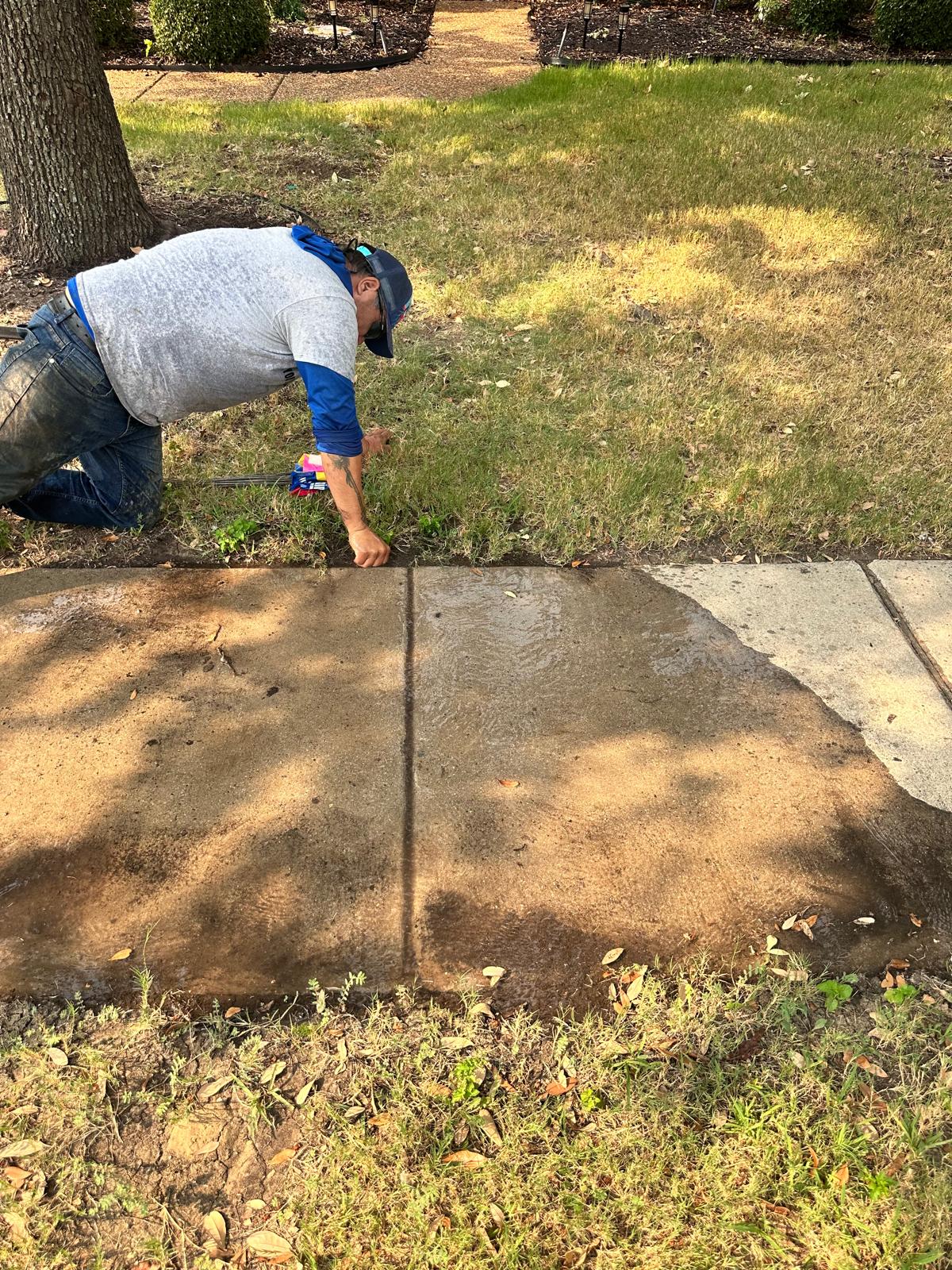
One of the earliest symptoms is an area of lawn that never dries.
You may notice:
- Soft ground
- Muddy patches
- Standing water
- Soggy flower beds
Even after several sunny days, the soil remains saturated.
Higher Water Bills
An unnoticed leak can waste hundreds—or even thousands—of gallons of water each month.
If your household water usage has remained the same but your bill continues increasing, your irrigation system could be responsible.
The EPA WaterSense program offers helpful information about detecting water waste.
Low Water Pressure
Water escaping underground reduces pressure throughout the irrigation system.
As a result:
- Sprinkler heads spray unevenly.
- Rotors fail to rotate.
- Some zones receive too little water.
- Coverage becomes inconsistent.
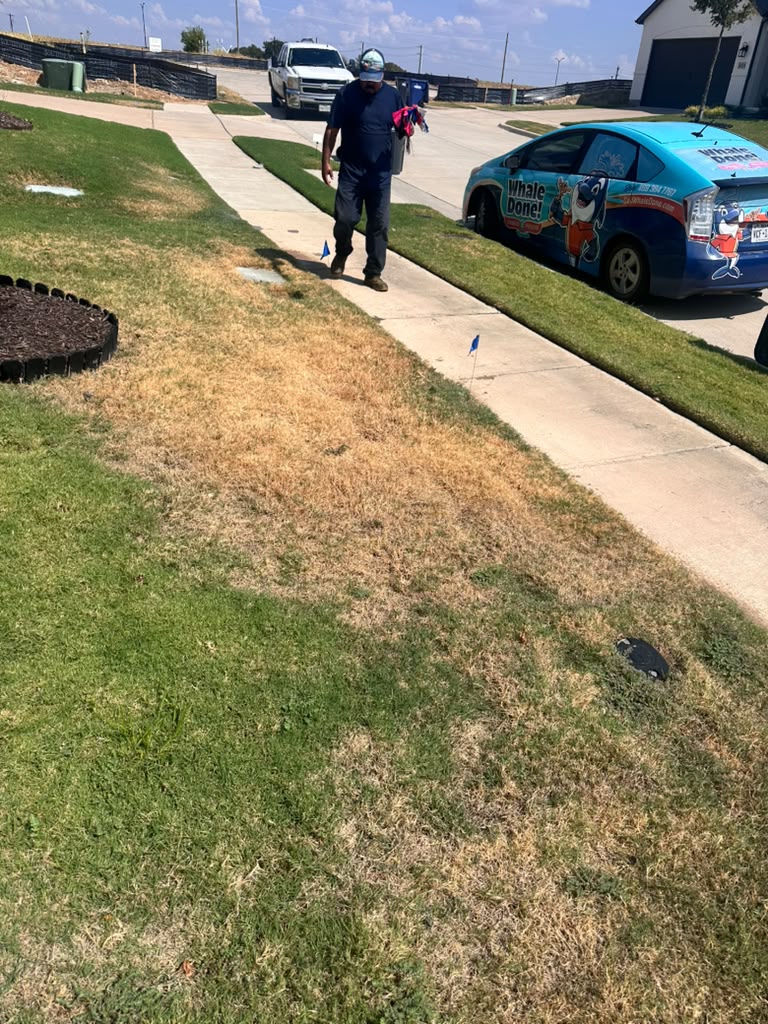
Areas Of Dead Grass
Ironically, underground leaks don’t always produce greener grass.
Because water pressure drops elsewhere in the system, some areas receive insufficient irrigation.
The result is patches of brown or dying turf mixed with overly saturated sections.
Water Running After The System Stops
After the irrigation cycle finishes, observe your sprinkler heads.
If water continues dripping or flowing long afterward, the valve may not be shutting off completely.
Common Reasons Sprinkler Valves Fail
Like any mechanical component, sprinkler valves experience wear over time.
Some of the most common causes include:
Age
Rubber components naturally deteriorate after years of use.
Eventually, seals lose flexibility and no longer create a watertight closure.
Hard Water Minerals
North Texas water often contains minerals that gradually build up inside irrigation components.
Mineral deposits interfere with moving parts and prevent proper valve operation.
Electrical Problems
Valve wiring can become damaged by:
- Moisture
- Corrosion
- Rodents
- Landscaping work
Poor electrical connections may prevent valves from opening or closing properly.
Pressure Surges
Sudden pressure spikes place extra stress on irrigation valves.
Repeated surges shorten the lifespan of diaphragms and internal components.
Can Tree Roots Cause Valve Problems?
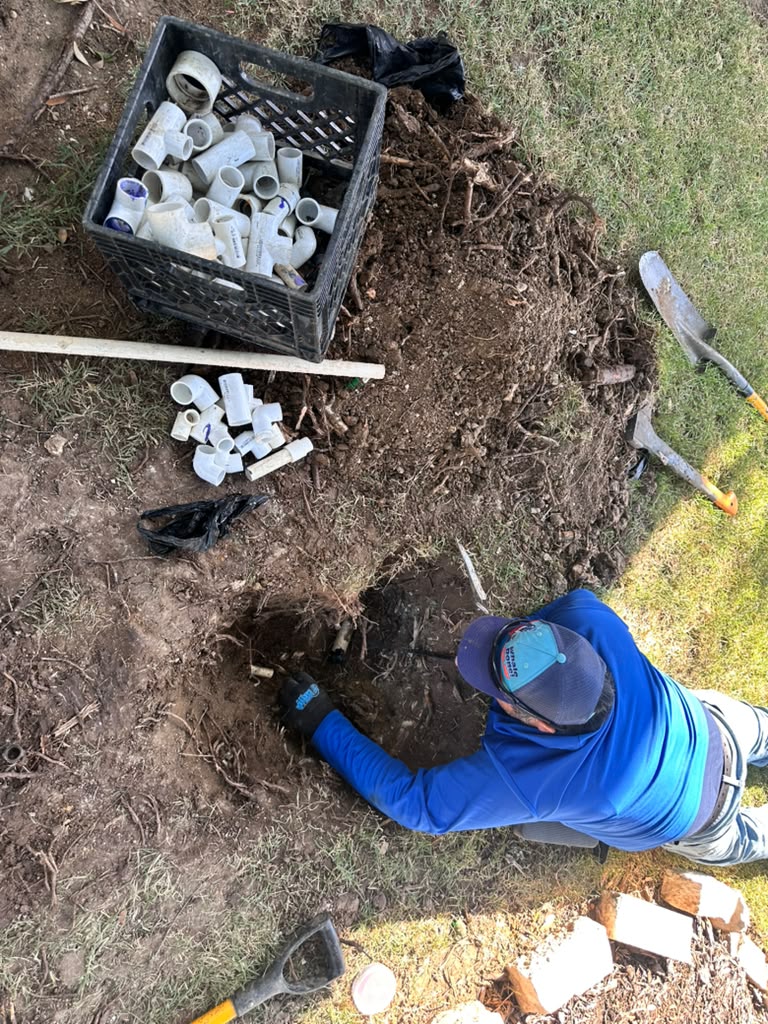
Yes, tree roots can contribute to hidden irrigation leaks because they naturally grow toward sources of moisture. As roots expand around buried irrigation components, they may shift underground pipes, place pressure on sprinkler valves, damage fittings, or create small separations at pipe connections. Even minor movement can weaken the integrity of the irrigation system over time, allowing water to escape beneath the surface without immediate detection. Since these leaks are often hidden underground, they can continue wasting water and causing landscape damage before visible signs appear. Regular inspections can help identify root-related issues early and prevent more costly irrigation repairs.
Why Clay Soil Makes Underground Leaks Worse
Many neighborhoods in Aubrey have clay-rich soil, which naturally expands when it absorbs moisture and contracts during dry conditions. This constant movement places stress on underground irrigation components, including sprinkler joints, buried valves, and pipe fittings. Over time, these shifting conditions can loosen connections, create small gaps, and increase the risk of underground leaks. Because clay soil retains water exceptionally well, leaks often remain hidden beneath the surface for extended periods before noticeable signs appear. Regular inspections and timely maintenance are essential for identifying problems early and preventing costly water loss, landscape damage, and more extensive irrigation system repairs.
Information about Texas soil conditions can be found through Texas A&M AgriLife Extension.
How Professionals Locate Underground Valve Leaks
Because underground leaks aren’t visible, irrigation specialists use systematic inspections.
They often examine:
- Valve boxes
- Pressure readings
- Individual irrigation zones
- Flow rates
- Electrical signals
- Controller programming
They may also perform pressure testing to determine whether water continues flowing after the system should have shut off.
This process identifies whether the issue involves:
- The valve
- Underground piping
- Wiring
- Sprinkler heads
- Zone connections
Why Ignoring Valve Problems Can Become Expensive
A small irrigation leak rarely remains a minor problem. Even a slow, unnoticed leak can waste significant amounts of water over time, leading to higher monthly water bills and unnecessary strain on your irrigation system. As water continues to escape underground, it can cause soil erosion, damage landscaping, create excess moisture around your home’s foundation, and accelerate the deterioration of buried pipes and fittings. These issues also reduce the overall efficiency of your sprinkler system, making it harder to maintain a healthy lawn. Addressing sprinkler valve problems early helps prevent more extensive damage, costly repairs, and long-term water waste.
Preventive Maintenance Tips
Routine maintenance greatly reduces the likelihood of underground leaks.
Homeowners should:
Inspect Valve Boxes
Keep valve boxes free of:
- Dirt
- Grass
- Insects
- Standing water
Clean access makes inspections easier.
Test Every Zone
Run each irrigation zone individually several times during the growing season.
Watch for:
- Delayed shutoff
- Weak spray
- Water pooling
- Uneven coverage
Replace Aging Components
Older valves eventually wear out.
Replacing worn diaphragms or damaged solenoids before complete failure helps prevent hidden leaks.
Monitor Water Bills
Unexpected increases often provide the first clue that underground water loss has begun.
Comparing monthly bills can reveal problems long before visible damage appears.
Schedule Routine Irrigation Inspections
Professional inspections identify developing issues before they become costly emergencies.
Regular maintenance also improves watering efficiency and extends the life of the irrigation system.
For additional homeowner irrigation guidance, visit Sprinkler Warehouse.
Should A Sprinkler Valve in Aubrey TX Be Repaired Or Replaced?
The answer depends on the condition of the valve.
Minor issues such as:
- Dirty diaphragms
- Small debris
- Loose wiring
may only require cleaning or minor repairs.
However, replacement is often the better option when:
- The valve body is cracked.
- Internal parts are severely worn.
- Multiple repairs have already been performed.
- The valve is approaching the end of its service life.
A properly functioning valve improves efficiency while reducing future maintenance costs.
Protecting Your Irrigation Investment
Your irrigation system is an important investment that helps maintain a healthy, attractive landscape while protecting your property’s value. Ignoring minor sprinkler valve problems can lead to increased operating costs, unnecessary water waste, poor lawn health, damaged landscaping, and more frequent repairs over time. Scheduling regular inspections, addressing issues promptly, and performing routine maintenance help ensure your irrigation system operates efficiently throughout every watering season. Taking a proactive approach not only extends the lifespan of your system but also conserves water, reduces unexpected repair expenses, and protects your lawn and landscape from the hidden damage that underground leaks can cause.
Conclusion
If you suspect a sprinkler valve in Aubrey TX is causing underground leaks, addressing the issue promptly can prevent costly water waste, landscape damage, and unnecessary repairs. Early detection and professional inspection ensure your irrigation system continues operating efficiently while protecting your property and conserving water.
For trusted irrigation solutions, contact Whale Done Sprinklers & Irrigation.
Phone: +1 (469) 384-7767
Email: clientsupport@callwhaledone.com