A faulty sprinkler valve in McKinney TX can quickly turn a healthy lawn into a patchy, overwatered, or dried-out mess. Whether you’re dealing with leaking water, inconsistent pressure, or zones that won’t shut off, the root cause often lies in the valve system. The big question many homeowners face is this: should you repair the valve or replace it entirely?
Understanding the difference between repair and replacement—and when each is the smarter option—can save you time, money, and unnecessary frustration. In this guide, we’ll break down everything you need to know to make the right decision for your irrigation system in McKinney.
What Does a Sprinkler Valve Do?
Before deciding whether to repair or replace, it’s important to understand the role of a sprinkler valve. A valve acts as the control center for each irrigation zone, opening and closing to regulate water flow. It responds to signals from your irrigation controller, ensuring each section of your lawn gets the right amount of water.
When a valve fails, it can disrupt your entire system. This is why prompt attention is essential whenever you notice irregular sprinkler behavior.
Common Signs of a Faulty Sprinkler Valve
Recognizing early warning signs can help you avoid costly damage. Here are the most common indicators that your sprinkler valve may need attention:
1. Continuous Water Flow
If water continues flowing after your irrigation system has shut off, the sprinkler valve may be stuck open due to debris, worn internal components, or mechanical failure. Ignoring this issue can waste water, increase utility bills, and damage your lawn through excessive watering.
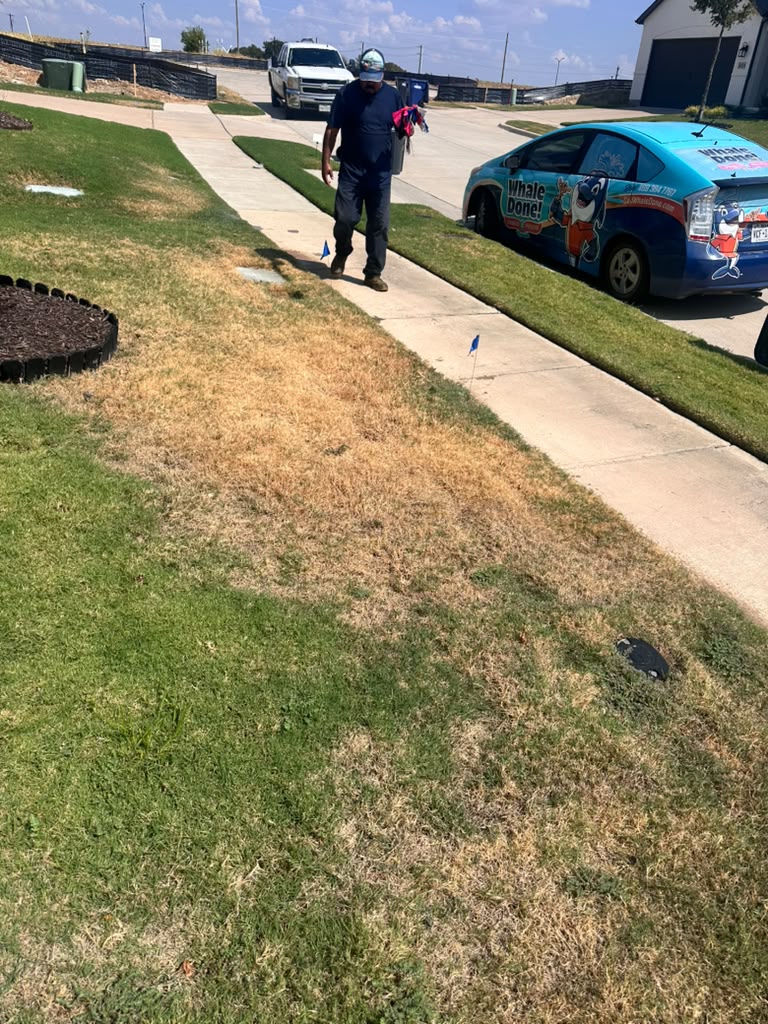
2. Dry or Overwatered Zones
When certain areas of your lawn remain dry while others become oversaturated, the sprinkler valve may not be opening or closing correctly. This uneven water distribution can stress your landscape, promote disease, and reduce the overall health and appearance of your grass.
3. Low Water Pressure
A partially clogged or malfunctioning sprinkler valve can restrict water flow, causing noticeably lower pressure throughout the irrigation system. Reduced pressure often leads to poor sprinkler coverage, uneven watering, and inefficient operation that leaves parts of your landscape under-irrigated.
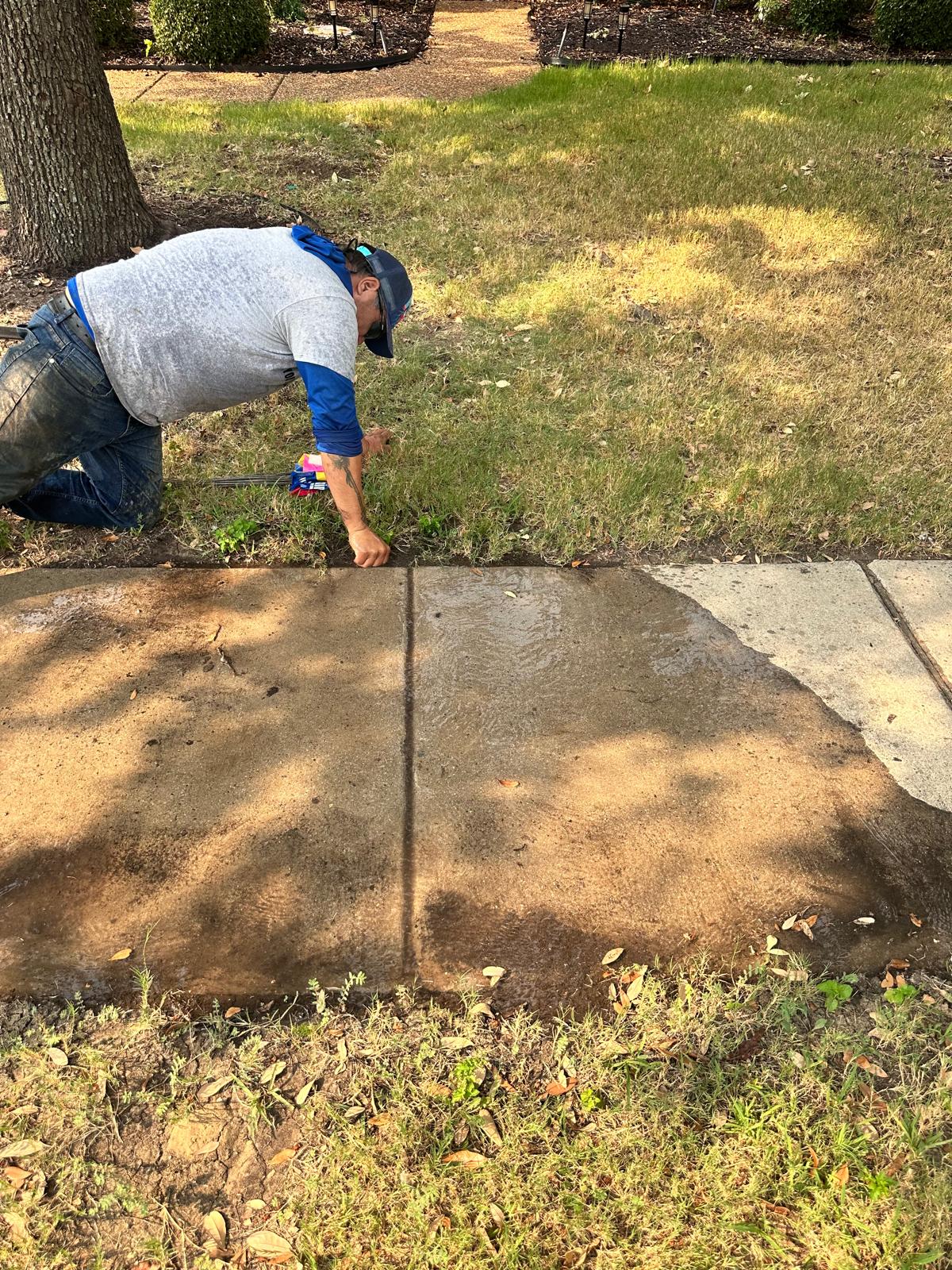
4. Leaks Around the Valve Box
Standing water or persistent moisture around the sprinkler valve box often indicates cracked valve housing, deteriorated seals, or loose fittings. Addressing these leaks promptly helps prevent water waste, soil erosion, and potential damage to surrounding irrigation components and landscaping.
5. Unresponsive Zones
If one or more irrigation zones fail to activate as scheduled, the problem may stem from a faulty valve solenoid, damaged wiring, or internal valve failure. A professional inspection can accurately identify the cause and restore reliable system performance.
For more insights on irrigation system components, you can explore resources from the Irrigation Association.
When Is Repair the Better Option?
Not every issue requires a full replacement. In many cases, repairing your sprinkler valve can restore proper function at a lower cost.
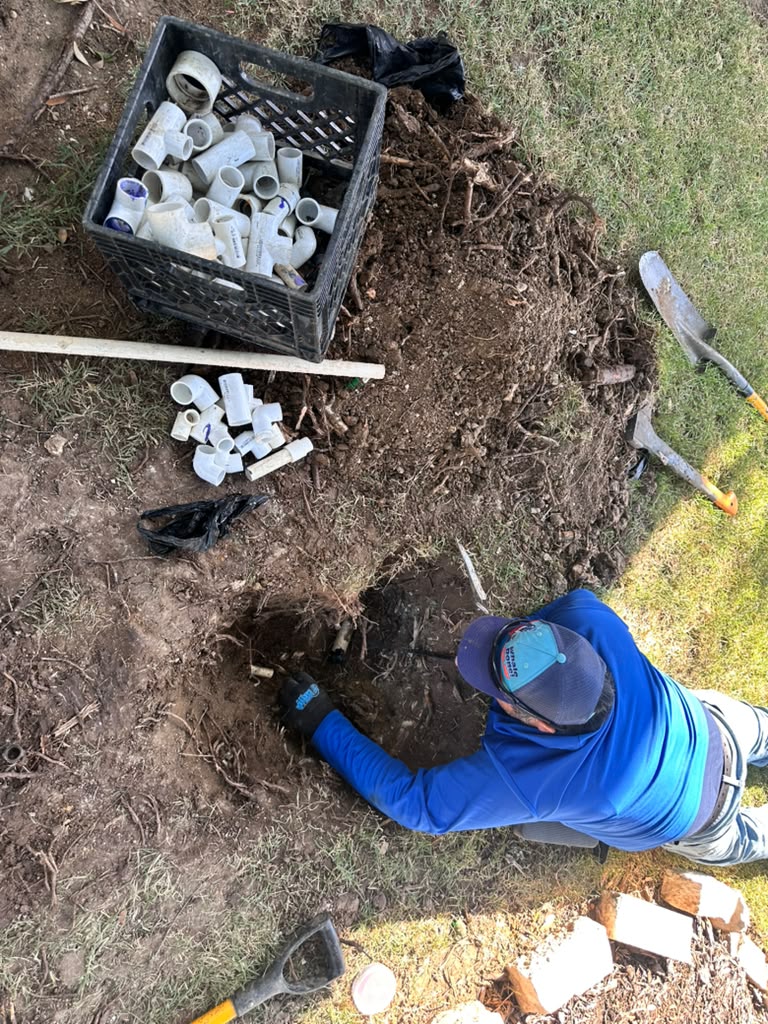
- Minor Mechanical Issues: If the problem is caused by debris, a worn diaphragm, or a faulty solenoid, these components can often be replaced individually.
- Electrical Problems: Sometimes, the issue lies in the wiring or controller rather than the valve itself. Fixing connections can resolve the problem without replacing the valve.
- Relatively New Valves: If your sprinkler valve is less than 5–7 years old, repair is usually the more practical choice.
- Cost Efficiency: Repairs are typically less expensive than replacements, especially when only one component is affected.
When Should You Replace a Sprinkler Valve?
There are situations where replacement is the smarter long-term investment.
Severe Damage
Cracked valve bodies, broken internal components, or significant wear can prevent a sprinkler valve from operating correctly. In these situations, repairs may only provide a temporary fix, making replacement the more dependable and cost-effective solution for restoring reliable irrigation performance.
Frequent Breakdowns
If the same sprinkler valve continues to fail despite multiple repairs, recurring issues can become both frustrating and expensive. Replacing the valve eliminates repeated service calls, improves system reliability, and reduces the risk of unexpected irrigation problems during peak watering seasons.
Outdated Components
Older sprinkler valves may lack compatibility with today’s smart irrigation controllers and water-efficient technologies. Replacing outdated components allows your irrigation system to operate more effectively, improves water management, and supports better long-term performance while reducing maintenance requirements.
Water Waste Concerns
A malfunctioning sprinkler valve can allow water to flow continuously or unevenly, leading to unnecessary waste and higher utility bills. According to the EPA WaterSense program, efficient irrigation systems can reduce outdoor water use by up to 50%, making timely valve replacement a smart investment.
Replacing a failing valve can improve efficiency and lower your water bill.
Cost Comparison: Repair vs Replacement
Understanding the financial aspect can help guide your decision.
Repair Costs
- Typically lower upfront cost
- Ideal for minor issues
- May require repeated maintenance over time
Replacement Costs
- Higher initial investment
- Longer lifespan
- Improved efficiency and reliability
In McKinney, where seasonal weather shifts can stress irrigation systems, investing in a durable solution often pays off over time.
Factors That Influence Your Decision
Several factors should be considered before choosing repair or replacement:
Age of the System
Older sprinkler systems naturally experience more wear and tear due to years of operation and exposure to changing weather conditions. Aging valves and components are more likely to develop leaks, stick open or closed, and require frequent repairs, making replacement a more practical long-term investment.
Extent of Damage
The severity of the valve’s damage plays a major role in determining the best solution. Minor issues, such as worn diaphragms or faulty solenoids, can often be repaired, while cracked valve bodies, severe corrosion, or multiple failing components usually justify complete replacement.
Water Efficiency Goals
If reducing water waste and lowering utility bills are priorities, upgrading to newer sprinkler valves can significantly improve irrigation efficiency. Modern valves are designed to provide more accurate water control, work seamlessly with smart irrigation controllers, and support sustainable landscape management practices.
Soil Conditions
McKinney’s clay-heavy soil expands when wet and contracts as it dries, placing additional stress on underground irrigation components. These changing soil conditions can affect drainage, increase pressure on sprinkler valves, and contribute to premature wear if the system is not properly maintained.
For guidance on soil and irrigation practices, Texas A&M AgriLife Extension provides valuable information.
Benefits of Replacing a Sprinkler Valve
While repairs can be effective, replacement offers several long-term advantages:
- Improved Efficiency: Modern valves are designed to reduce water waste and improve performance.
- Better Compatibility: New valves work seamlessly with smart irrigation controllers.
- Reduced Maintenance: A new valve eliminates the need for frequent repairs.
- Increased Property Value: A well-maintained irrigation system adds to your home’s overall appeal.
How Professional Assessment Helps
Professional diagnosis is essential because sprinkler valve problems are not always caused by the valve itself. Issues such as faulty wiring, inconsistent water pressure, damaged electrical connections, or incorrect controller settings can produce similar symptoms. A trained irrigation technician can accurately identify the root cause, recommend whether a repair or replacement is the most cost-effective solution, and complete the work safely and efficiently to restore reliable system performance.
This thorough approach helps prevent unnecessary expenses, improves water efficiency, and extends the lifespan of your irrigation system. For additional irrigation troubleshooting tips, visit The Spruce..
Preventing Future Sprinkler Valve in Mckinney TX Problems
Whether you repair or replace your valve, prevention is key to avoiding future issues.
Schedule Regular Inspections
Routine sprinkler inspections help identify worn valve components, minor leaks, wiring issues, and pressure irregularities before they become costly repairs. Scheduling regular maintenance keeps your irrigation system operating efficiently, extends the lifespan of your sprinkler valves, and promotes consistent watering throughout your landscape.
Clean Valve Components
Dirt, sand, and other debris can accumulate inside sprinkler valves, affecting their ability to open and close properly. Cleaning valve components regularly helps prevent clogs, ensures smooth water flow, reduces unnecessary wear, and maintains reliable irrigation system performance throughout the year.
Monitor Water Pressure
Maintaining proper water pressure is essential for protecting sprinkler valves and other irrigation components. Excessive pressure can strain valves, increase the risk of leaks, and shorten equipment lifespan, while balanced pressure helps ensure efficient operation and even water distribution across every zone.
Upgrade When Needed
As sprinkler systems age, older valves may become less efficient and more prone to failure. Upgrading to modern irrigation valves and smart technology improves water management, enhances system reliability, supports automated scheduling, and helps reduce long-term maintenance and water consumption.
Repair vs Replacement: Which Is Right for You?
There’s no one-size-fits-all answer. The right choice depends on your system’s condition, budget, and long-term goals.
- Choose repair if the issue is minor and the valve is relatively new.
- Choose replacement if the valve is old, damaged, or causing recurring problems.
Making the right decision ensures your irrigation system continues to operate efficiently and supports a healthy, vibrant landscape.
Conclusion
If you’re dealing with a failing sprinkler valve in McKinney TX, knowing whether to repair or replace it can make a significant difference in both performance and cost. While minor issues can often be fixed quickly, more serious or recurring problems usually call for a full replacement to ensure long-term efficiency and reliability.
For homeowners who want expert guidance and dependable solutions, professional help can take the guesswork out of the process.
Whale Done Sprinklers & Irrigation
Phone: +1 (469) 384-7767
Email: clientsupport@callwhaledone.com
Addressing your sprinkler valve issues promptly will not only protect your lawn but also help conserve water and reduce utility costs over time.