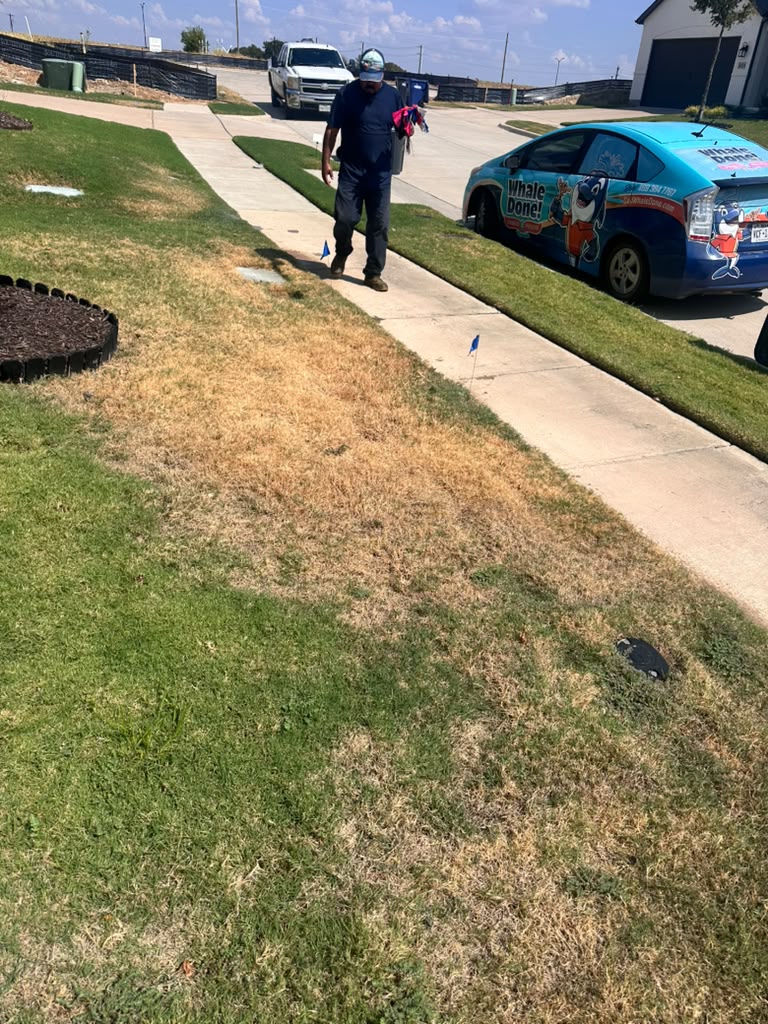
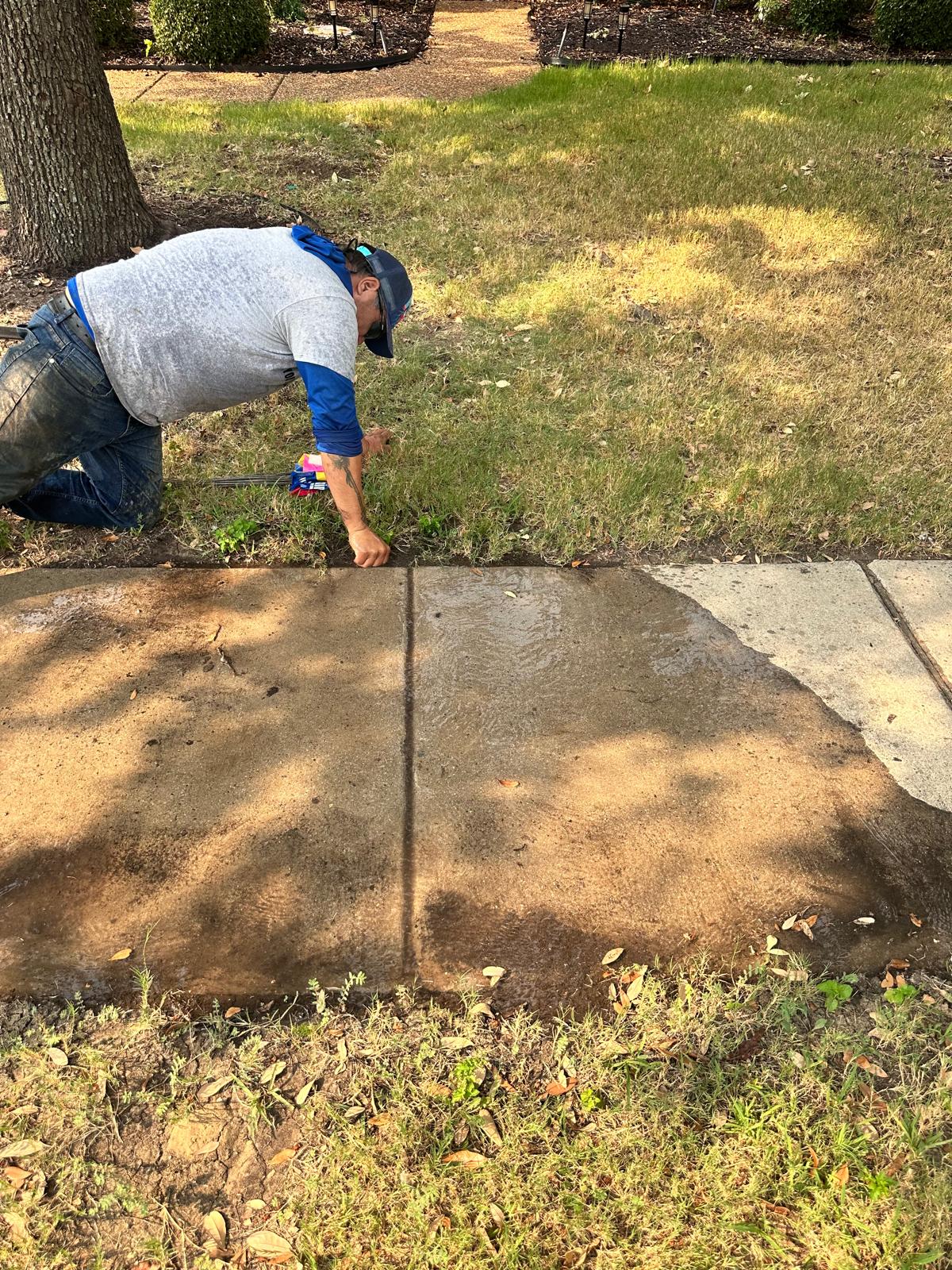
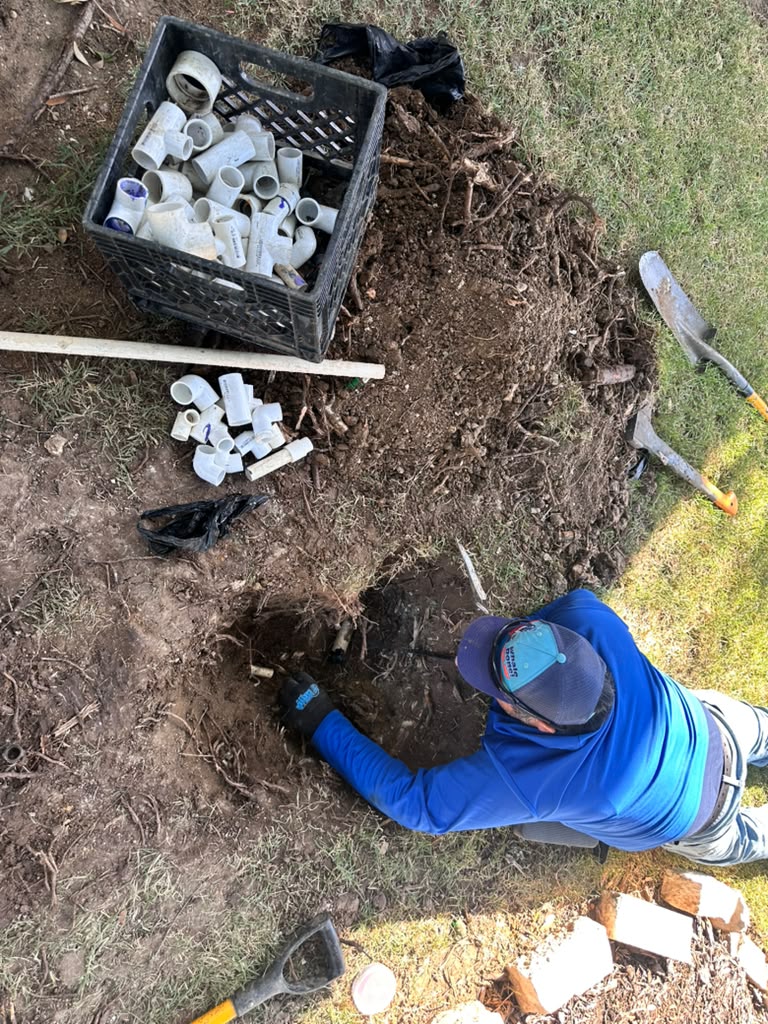
Finding standing water inside your sprinkler valve box in Celina TX can be concerning, especially when your irrigation system appears to be turned off. While a small amount of moisture after a watering cycle may be normal, water that remains inside the valve box for days often points to an underlying issue that requires attention. Ignoring this problem can lead to higher water bills, damaged valves, unhealthy landscaping, and unnecessary repairs.
A sprinkler valve box protects the irrigation valves that control the flow of water throughout your sprinkler system. When everything is working correctly, the box should remain relatively dry except during maintenance or shortly after irrigation cycles. If it continually fills with water, there is usually a leak, drainage problem, or mechanical failure somewhere within the system.
Understanding the possible causes can help homeowners recognize early warning signs before minor issues develop into expensive repairs.
What Is a Sprinkler Valve Box?
A sprinkler valve box is an underground enclosure designed to house one or more irrigation control valves. These valves receive signals from your sprinkler controller and determine when each irrigation zone should operate.
The valve box provides protection against:
- Soil movement
- Lawn equipment
- Weather exposure
- Debris accumulation
- Accidental damage
Because it sits below ground level, the valve box is also one of the first places where underground leaks become visible.
Learn more about irrigation valves from the Irrigation Association.
Should There Be Water Inside the Valve Box?
A little moisture is perfectly normal immediately after the irrigation system finishes running.
However, water should gradually drain away.
If you notice:
- Standing water every day
- Mud that never dries
- Water flowing into the box continuously
- Algae growth
- Mosquito breeding
Then something is preventing the water from draining or new water is continuously entering the valve box.
Common Reasons Your Sprinkler Valve Box in Celina TX Is Full of Water
Several different issues can cause water to collect inside the valve box.
1. A Leaking Irrigation Valve
One of the most common causes is an irrigation valve that no longer seals correctly.
Over time, valve components naturally wear out due to:
- Age
- Mineral buildup
- Dirt
- Rubber deterioration
- Constant pressure
A leaking valve may allow water to seep continuously into the box even when no sprinkler zones are running.
Because the leak occurs underground, homeowners often do not notice the problem until the valve box becomes completely flooded.
2. Damaged Valve Diaphragm
Inside every irrigation valve is a flexible rubber diaphragm that opens and closes to regulate water flow.
If the diaphragm develops:
- Tears
- Cracks
- Warping
- Debris buildup
the valve may never close completely.
Instead of shutting off, it allows a slow but constant flow of water into the system and eventually into the valve box.
3. Cracked PVC Pipes
Underground PVC pipes can crack for several reasons, including:
- Tree root pressure
- Soil movement
- Heavy vehicles
- Freezing temperatures
- Installation damage
Even a tiny crack may release water continuously.
Since the valve box is often located near the main irrigation lines, leaking water naturally flows into the enclosure.
The EPA WaterSense program explains how hidden irrigation leaks waste significant amounts of water.
4. Loose Pipe Fittings
Connections between valves and irrigation pipes can loosen over time.
This may happen because of:
- Soil settling
- Vibration
- Pressure changes
- Aging fittings
A loose fitting can leak slowly for months before becoming noticeable.
5. Broken Solenoid
Every irrigation valve uses a solenoid that opens and closes the valve electronically.
If the solenoid becomes damaged, the valve may remain partially open.
This creates constant water movement that eventually fills the valve box.
6. Faulty Backflow Issues
Sometimes the problem is not inside the valve box itself.
A malfunctioning backflow prevention assembly may create pressure irregularities that contribute to valve leakage.
Understanding the role of backflow devices helps homeowners appreciate why routine inspections are important.
Read more from the Texas Commission on Environmental Quality.
Poor Drainage Around the Valve Box
Sometimes the sprinkler system is working correctly, but rainwater has nowhere to go.
Heavy clay soils common throughout North Texas often drain slowly.
When heavy rainfall occurs:
- Water pools around the valve box
- The box fills naturally
- Drainage becomes restricted
- Moisture remains for several days
This situation differs from an irrigation leak because the water level gradually decreases as the surrounding soil dries.
Tree Root Intrusion
Growing tree roots seek moisture.
As roots expand underground, they may:
- Crack irrigation pipes
- Shift valve boxes
- Damage fittings
- Restrict drainage
Because these changes happen slowly, homeowners may not notice until significant water accumulation appears.
Seasonal Weather Changes
Weather also affects underground irrigation systems.
In Celina, seasonal changes include:
Summer
During the summer months, irrigation systems often run longer and more frequently to keep lawns healthy during extreme heat. These extended watering cycles place additional pressure on valves, pipes, and fittings, causing small leaks or worn components to worsen over time if they are not detected and repaired promptly.
Winter
Although North Texas generally experiences mild winters, occasional freezing temperatures can still affect underground irrigation systems. Water trapped inside pipes or valves may freeze and expand, leading to cracks, damaged fittings, or valve failures that often become noticeable when the system is restarted in the spring.
Frozen water expands inside pipes and fittings, causing hidden cracks that become noticeable during spring irrigation.
Warning Signs Beyond Standing Water
A flooded valve box rarely appears by itself.
Other symptoms often include:
Higher Water Bills
Hidden underground leaks can waste hundreds or even thousands of gallons of water.
An unexplained increase in your monthly utility bill may indicate irrigation problems.
Wet Areas in the Lawn
Soft soil around the valve box often signals underground leakage.
If sections of your lawn remain wet long after watering, further inspection is recommended.
Low Sprinkler Pressure
Leaking valves reduce available water pressure.
As a result:
- Spray heads perform poorly
- Rotors fail to rotate
- Coverage becomes uneven
Constant Running Water Sound
If you hear flowing water while every sprinkler zone is turned off, water may be escaping underground.
This is one of the earliest indicators of hidden valve problems.
Brown or Overwatered Grass
Leaks create uneven watering.
Some areas receive too much water while others receive too little.
This leads to inconsistent lawn appearance.
Why Quick Repairs Matter
Although your sprinkler system may still seem to operate normally, delaying repairs when you notice signs of a hidden leak can lead to much bigger problems over time. Even a small underground leak can waste significant amounts of water, increase your utility bills, and cause soil erosion that weakens your landscape. Excess moisture may also affect your home’s foundation, while leaking valves and deteriorating pipes can eventually fail completely, resulting in more extensive and costly repairs. Addressing the issue early helps preserve your irrigation system, protects your property, and saves money, as minor repairs are typically far less expensive than replacing multiple damaged irrigation components.
Professional Inspection Process
A professional irrigation inspection begins with a thorough evaluation of the entire valve box to ensure every component is functioning properly. During the inspection, technicians carefully examine the valve operation, pipe fittings, solenoids, pressure levels, electrical connections, and valve diaphragms for signs of wear, damage, or leaks. They also test each irrigation zone individually to verify that water flows correctly and that every valve opens and closes as intended. This detailed process helps identify hidden underground leaks or mechanical issues that may not be visible from the surface, allowing problems to be addressed before they lead to costly repairs or water waste.
Preventive Maintenance Tips
Routine maintenance dramatically reduces the likelihood of flooded valve boxes.
Helpful maintenance practices include:
Schedule Annual Inspections
A yearly inspection identifies worn components before failure occurs.
Replace Aging Valves
Older valves become less reliable as internal seals deteriorate.
Replacing worn valves early helps prevent future leaks.
Keep Valve Boxes Accessible
Avoid covering valve boxes with:
- Mulch
- Decorative rocks
- Dense shrubs
- Landscape edging
Easy access encourages regular inspections.
Watch Your Water Usage
Unexpected increases in water consumption often reveal hidden irrigation problems.
Monitoring monthly water bills provides valuable insight into system performance.
Inspect After Heavy Rain
Following major storms, check whether the valve box drains normally.
Standing water that remains for several days deserves further investigation.
Why Celina Homeowners Should Pay Attention
Celina continues to experience rapid residential growth.
As neighborhoods expand, irrigation systems become increasingly important for maintaining healthy landscapes.
Local conditions such as:
- Expansive clay soils
- Seasonal drought
- Heavy spring rains
- Hot summers
place additional stress on underground sprinkler components.
Routine inspections help identify small irrigation problems before they disrupt lawn health or increase water costs.
When Should You Call a Professional?
Professional evaluation is recommended if:
- Water never leaves the valve box
- Multiple zones malfunction
- Water pressure suddenly drops
- Utility bills increase unexpectedly
- The lawn develops unexplained wet spots
- Valves continue leaking after adjustments
Modern diagnostic equipment allows technicians to locate underground issues efficiently while minimizing disruption to your landscape.
Conclusion
If your sprinkler valve box in Celina TX remains full of water long after your irrigation system has finished running, it should never be ignored. Persistent standing water often indicates leaking valves, damaged pipes, faulty solenoids, worn diaphragms, or poor drainage that can lead to costly repairs if left unresolved. Addressing these issues early helps protect your irrigation system, conserve water, and maintain a healthy landscape throughout the year.
If you need professional assistance with your sprinkler valve box in Celina TX, contact Whale Done Sprinklers & Irrigation for reliable irrigation diagnostics and repair services.
Phone: +1 (469) 384-7767
Email: clientsupport@callwhaledone.com