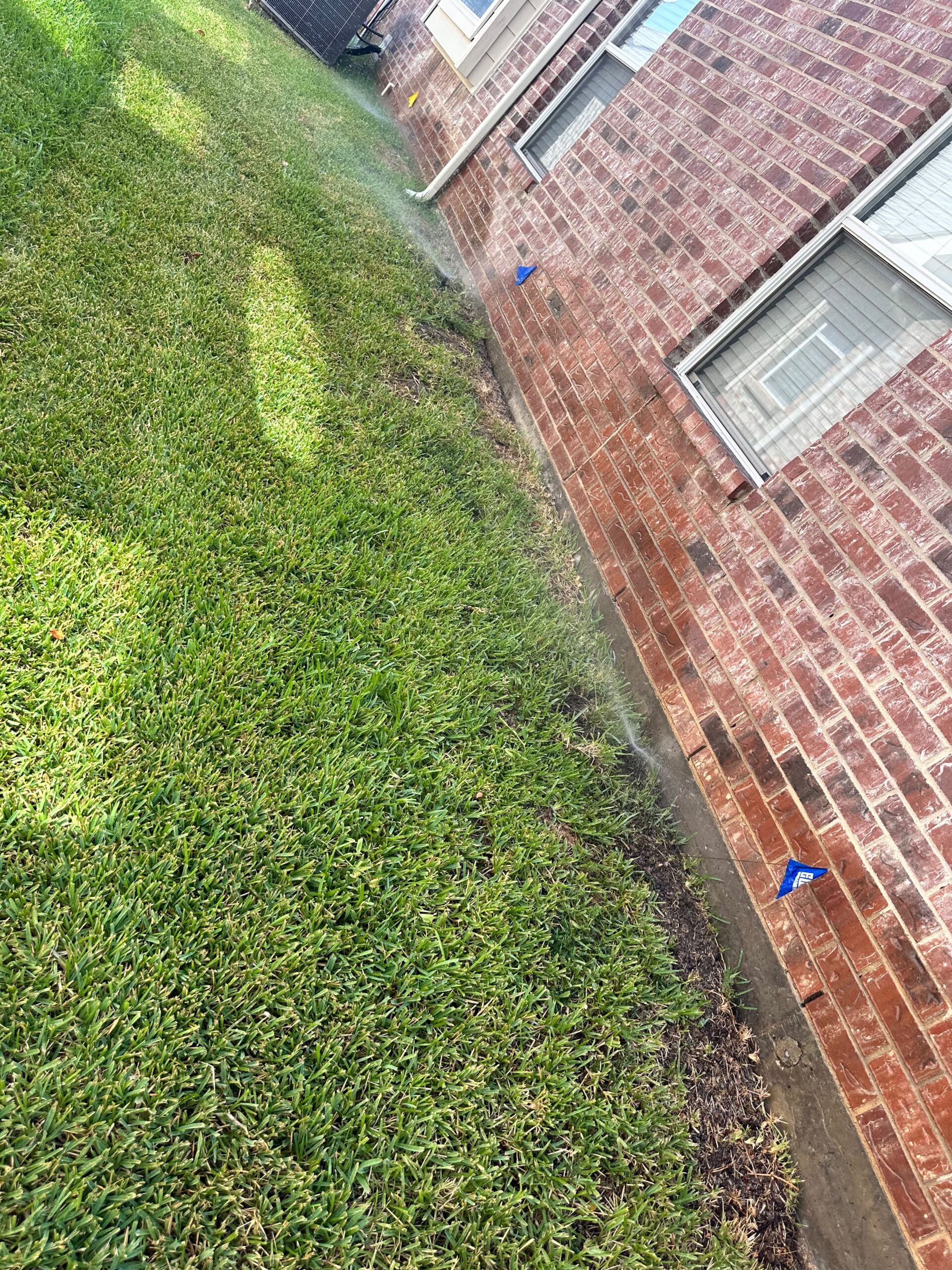
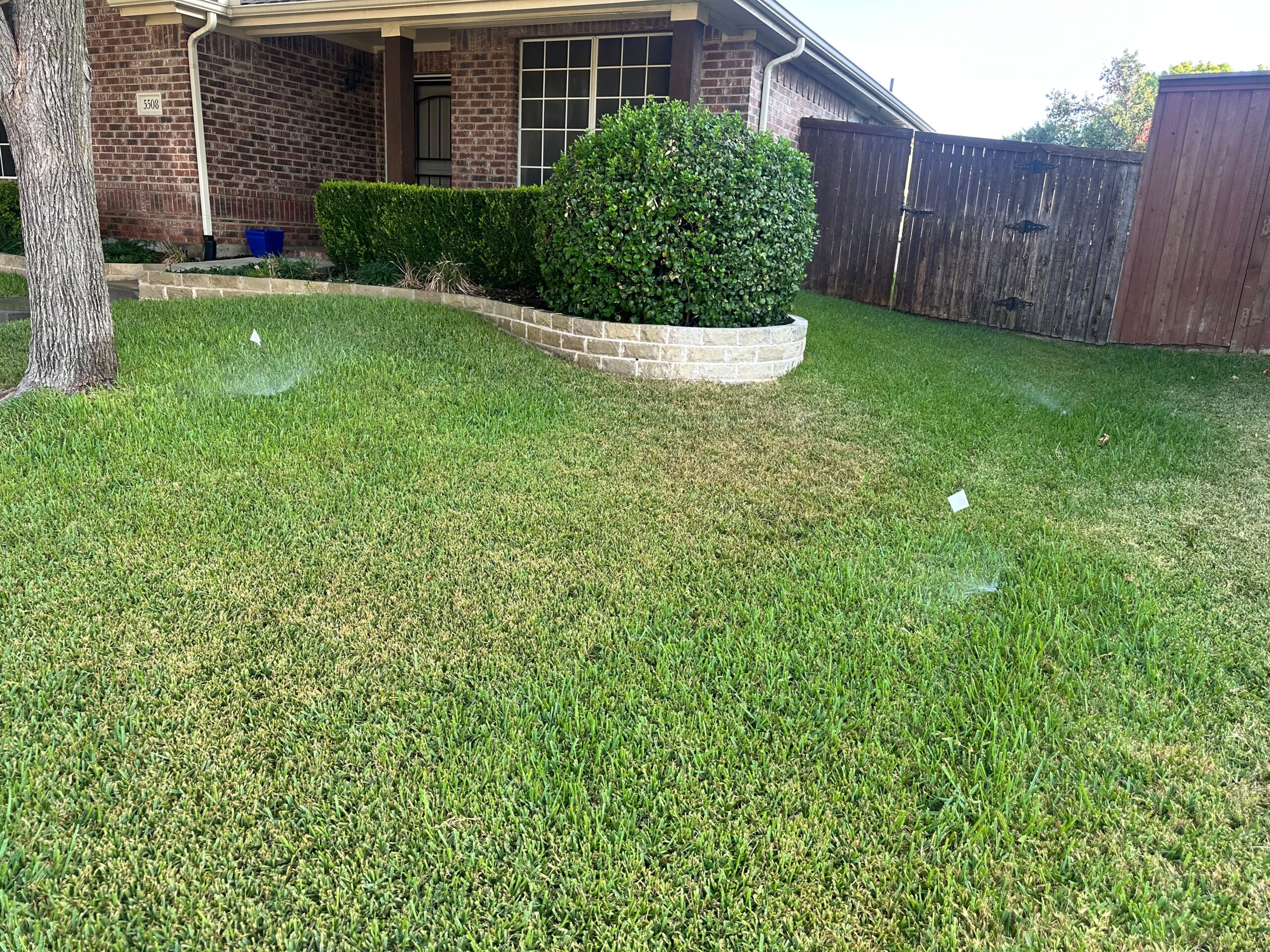
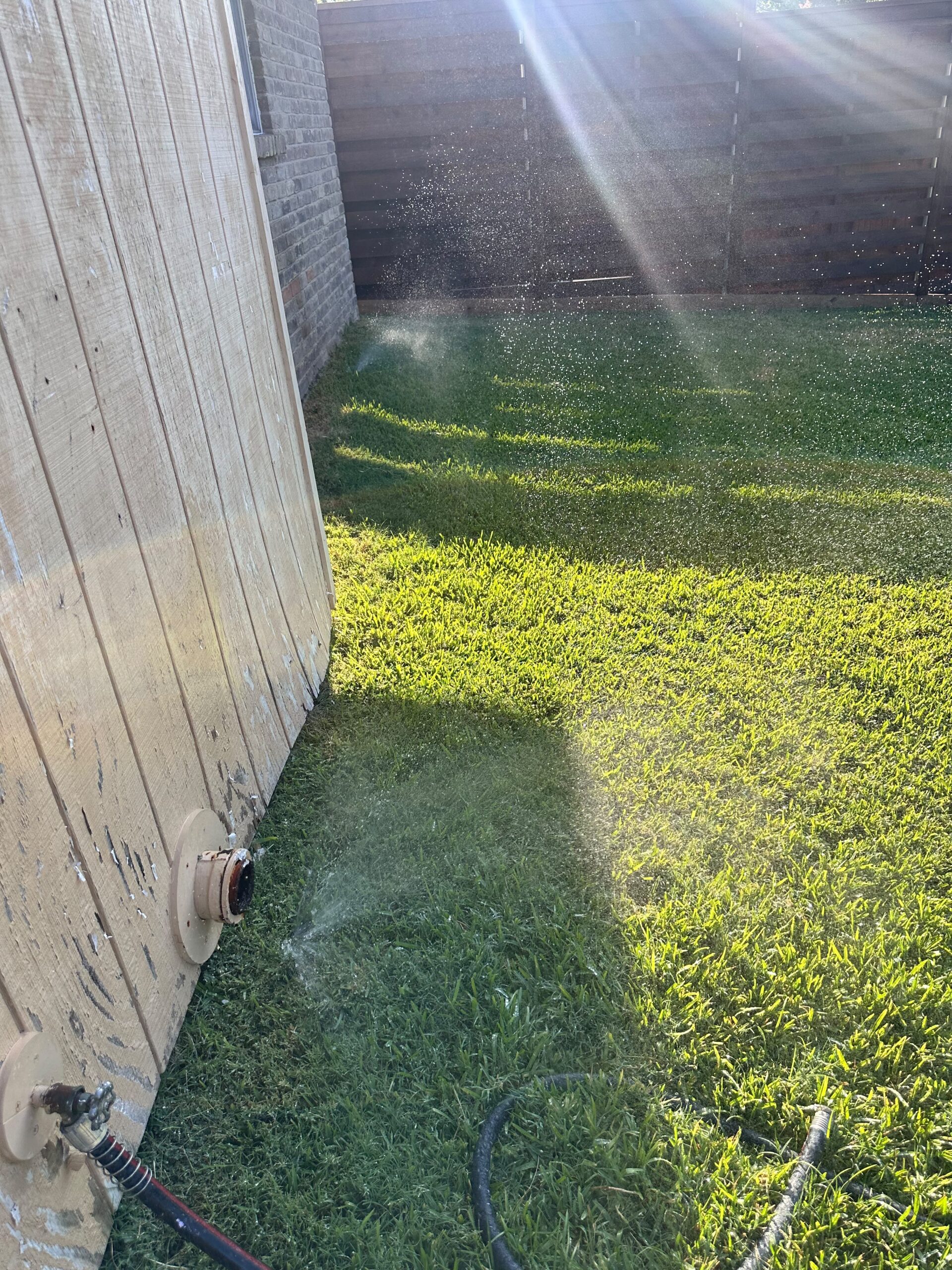
Sprinkler Leaks In Little Elm TX can develop gradually, often going unnoticed until they begin affecting your landscape, water usage, and overall irrigation performance. While a sprinkler system is designed to distribute water efficiently throughout your property, even a minor leak can lead to significant waste, increased utility bills, and damage to lawns and plant beds over time.
Many property owners assume that irrigation leaks are obvious because water is visible above ground. However, some of the most costly leaks occur underground where they remain hidden for weeks or even months. Understanding the common warning signs can help identify issues early and prevent expensive repairs in the future.
Why Sprinkler Leaks Should Never Be Ignored
A properly functioning irrigation system delivers the right amount of water to specific areas of your landscape. When leaks develop, water distribution becomes uneven, causing certain zones to receive too much water while others receive too little.
Over time, untreated leaks may lead to:
- Higher monthly water bills
- Soil erosion
- Foundation concerns
- Landscape damage
- Reduced irrigation efficiency
- Premature equipment failure
According to the EPA WaterSense program, outdoor water waste from irrigation systems contributes significantly to unnecessary water consumption each year. Early leak detection can help reduce waste and improve system performance.
Unusually High Water Bills
One of the earliest indicators of a sprinkler leak is an unexpected increase in your water bill.
If your irrigation schedule has remained consistent but your monthly water usage suddenly rises, a hidden leak may be the cause. Even small leaks can waste hundreds or thousands of gallons of water over time.
Property owners should compare recent utility statements with previous months. If usage appears unusually high without a corresponding increase in watering needs, it may be time to inspect the irrigation system.
Some leaks occur underground and may not produce visible symptoms immediately, making water bill monitoring an important part of irrigation maintenance.
Wet Spots That Never Dry
Persistent soggy areas are among the most recognizable signs of irrigation leaks.
If portions of your lawn remain wet long after a watering cycle has finished, water may be escaping from a damaged pipe, fitting, or valve beneath the surface.
Common locations include:
- Around sprinkler heads
- Along irrigation lines
- Near valve boxes
- Around landscape beds
Excessive moisture can weaken grass roots and create ideal conditions for fungal growth. In severe cases, standing water may attract insects and contribute to soil instability.
Areas Of Grass That Grow Faster Than Others
A leaking irrigation line often provides a continuous and excessive supply of water to a specific section of the landscape, creating conditions that promote unusually rapid plant growth. As a result, homeowners may notice patches of grass that appear noticeably greener, thicker, denser, or grow much faster than the surrounding areas of the lawn.
While lush grass may initially seem like a positive sign, isolated zones of accelerated growth often suggest that too much water is reaching that location. Over time, excessive moisture can lead to shallow root development, soil instability, and increased susceptibility to lawn diseases. If one section of the landscape consistently stands out from the rest due to its color or growth rate, it may be wise to inspect the irrigation system for potential leaks.
Low Water Pressure During Irrigation Cycles
A noticeable reduction in sprinkler pressure can signal a leak somewhere within the system.
When water escapes before reaching designated sprinkler heads, pressure decreases throughout the irrigation zone.
Signs of reduced pressure include:
- Weak spray patterns
- Shorter spray distances
- Uneven coverage
- Heads failing to pop up fully
Low pressure can also result from other irrigation issues, but leaks remain one of the most common causes.
The Irrigation Association recommends regular inspections to identify pressure-related problems before they affect overall system performance.
Water Pooling Around Sprinkler Heads
Sprinkler heads are designed to distribute water outward rather than allowing it to collect around their bases.
If water pools around a sprinkler head during operation, the component may be cracked, damaged, or improperly sealed.
Common causes include:
- Aging sprinkler heads
- Physical impact from lawn equipment
- Ground movement
- Worn seals
Pooling water not only wastes resources but may also indicate larger issues within the connected irrigation zone.
Routine inspections can help identify damaged heads before more extensive repairs become necessary.
Sunken Areas In The Landscape
Underground leaks often wash away soil gradually, creating depressions or sunken sections throughout the property.
These areas may initially appear as minor dips but can become more pronounced as water continues to erode surrounding soil.
Potential concerns include:
- Uneven terrain
- Tripping hazards
- Landscape instability
- Damage to nearby structures
If a section of your lawn suddenly begins sinking without explanation, a hidden irrigation leak should be considered as a possible cause.
Cracks In Sidewalks And Hardscapes
Many property owners are surprised to learn that sprinkler leaks can affect hardscape features and surrounding structures. When irrigation leaks go unnoticed, excess moisture can accumulate beneath sidewalks, driveways, patios, and other paved surfaces.
Over time, this additional water may cause the supporting soil to expand, erode, or shift, reducing the stability of the surface above. As the ground moves, cracks, settling, and uneven areas can begin to appear, creating both aesthetic concerns and potential safety hazards.
Although hardscape damage can result from several factors, irrigation leaks are often overlooked. Regular inspections can help identify whether excess water is contributing to infrastructure problems.
Constantly Running Water Meter
A water meter can provide valuable insight into hidden leaks.
To perform a basic check:
- Turn off all indoor and outdoor water sources.
- Locate your water meter.
- Observe the meter reading.
- Wait approximately 30 minutes without using water.
- Check the meter again.
If the reading changes despite no water usage, a leak may exist somewhere on the property.
This simple method can help identify issues before visible symptoms become apparent.
Erosion Around Landscaped Areas
Leaks often release water at higher volumes than intended, gradually washing away surrounding soil.
Erosion may occur near:
- Flower beds
- Mulch areas
- Tree rings
- Sloped landscapes
Over time, soil displacement can expose plant roots and compromise the appearance and health of landscaped areas.
Property owners who notice unexplained erosion should consider evaluating their irrigation system for hidden leaks.
Mold And Mildew Development
Excess moisture creates an environment where mold and mildew can thrive.
Although irrigation systems are located outdoors, prolonged leaks may affect nearby structures, fences, retaining walls, and foundations.
Common warning signs include:
- Musty odors
- Discoloration on surfaces
- Visible mold growth
- Persistent dampness
Addressing moisture issues promptly helps reduce potential property damage and preserves outdoor structures.
For additional information regarding moisture management, the Natural Resources Conservation Service provides resources on water conservation and soil health.
Valve Problems That Cause Continuous Water Flow
Irrigation valves control water flow to individual zones throughout the system.
When valves become damaged or fail to close properly, water may continue flowing even when the irrigation schedule has ended.
Symptoms may include:
- Constant dripping from sprinkler heads
- Water running between cycles
- Overwatered sections of lawn
- Unexpected increases in water usage
Valve issues often require professional diagnosis because the underlying cause may involve mechanical wear, debris, or electrical malfunctions.
Damaged Underground Pipes
Underground irrigation pipes can develop leaks due to several factors.
Common causes include:
- Tree root intrusion
- Soil shifting
- Freezing temperatures
- Construction activity
- Aging materials
Because underground pipes are hidden from view, symptoms often appear indirectly through wet spots, reduced pressure, or unusual landscape conditions.
Professional inspections can help pinpoint the exact location of underground leaks without unnecessary excavation.
The Importance Of Seasonal Irrigation Inspections
Routine inspections play a critical role in identifying minor issues before they become major repairs.
A comprehensive irrigation inspection typically includes:
- Sprinkler head evaluation
- Valve testing
- Pressure checks
- Coverage assessment
- Controller review
- Leak detection
Preventative maintenance helps improve system efficiency while extending the lifespan of irrigation components.
The Water Use It Wisely initiative emphasizes that proactive irrigation maintenance can significantly reduce outdoor water waste.
How Professional Leak Detection Helps
Modern leak detection methods allow technicians to identify problems quickly and accurately.
Advanced diagnostic techniques may include:
- Pressure testing
- Zone-by-zone inspections
- Acoustic leak detection
- Flow monitoring
- Component evaluations
Professional assessments can uncover hidden issues that are difficult to identify through visual inspection alone.
Early detection often reduces repair costs and helps prevent additional damage to landscaping and property features.
Protecting Your Landscape Investment
A healthy landscape depends on consistent and efficient watering to support the growth of grass, plants, trees, and other outdoor features. When leaks disrupt irrigation performance, landscapes may suffer from both overwatering and underwatering, creating conditions that can negatively affect plant health and appearance.
Excess moisture can encourage disease, soil erosion, and weed growth, while insufficient watering may lead to dry patches, wilting plants, and weakened root systems. In addition, irrigation leaks can result in significant water waste and higher utility expenses over time.
By monitoring for warning signs, addressing issues promptly, and scheduling regular system inspections, property owners can maintain reliable irrigation performance throughout the year. Proactive maintenance helps preserve landscape beauty, improve water efficiency, conserve valuable resources, and reduce the risk of costly repairs in the future.
Conclusion
Recognizing the warning signs of Sprinkler Leaks In Little Elm TX can help prevent water waste, landscape damage, rising utility costs, and costly repairs. Whether you notice soggy areas, unusual water bills, low sprinkler pressure, or persistent pooling around sprinkler heads, addressing irrigation issues early can protect your property and improve system efficiency.
For professional assistance with sprinkler inspections, leak detection, and irrigation system maintenance, contact Whale Done Sprinklers & Irrigation. Their experienced team can help identify problems before they become major concerns and keep your irrigation system operating efficiently year-round.
Business Name: Whale Done Sprinklers & Irrigation
Phone: +1 (469) 384-7767
Email: clientsupport@callwhaledone.com