If you’re considering sprinkler repair in Parker TX, taking a few minutes to inspect your irrigation system before scheduling service can help you better understand the problem and provide useful information to a technician. While some sprinkler issues require professional attention, others may be caused by simple adjustments, clogged components, or seasonal changes. A basic inspection can also help prevent unnecessary water waste, reduce stress on your landscape, and ensure your irrigation system continues operating as efficiently as possible.
Homeowners in Parker, Texas, rely on healthy irrigation systems to maintain lawns and landscapes throughout long periods of heat and limited rainfall. Because irrigation systems operate underground and contain multiple mechanical and electrical components, small problems can gradually become larger repairs if left unnoticed. Knowing what to check before making a service call allows you to identify visible issues and communicate them more clearly to an irrigation professional.
Why A Quick Inspection Matters Before Sprinkler Repair In Parker TX
Before requesting sprinkler repair in Parker TX, performing a visual inspection helps narrow Before scheduling sprinkler repair, performing a quick inspection can help narrow down the source of the problem without requiring specialized tools or technical expertise. Simply look for visible signs that your irrigation system is not functioning properly, such as broken sprinkler heads, water pooling in certain areas, low water pressure, uneven watering patterns, controller programming errors, leaking valve boxes, damaged irrigation pipes, or dry patches across the lawn.
Taking note of these issues before calling a professional allows technicians to better understand the situation, prepare the appropriate replacement parts and equipment, and diagnose the problem more efficiently once they arrive.
Inspect Every Sprinkler Head
Sprinkler heads are among the most commonly damaged parts of any irrigation system. Since they sit near ground level, they frequently experience accidental damage from lawn mowers, foot traffic, landscaping equipment, and changing soil conditions.
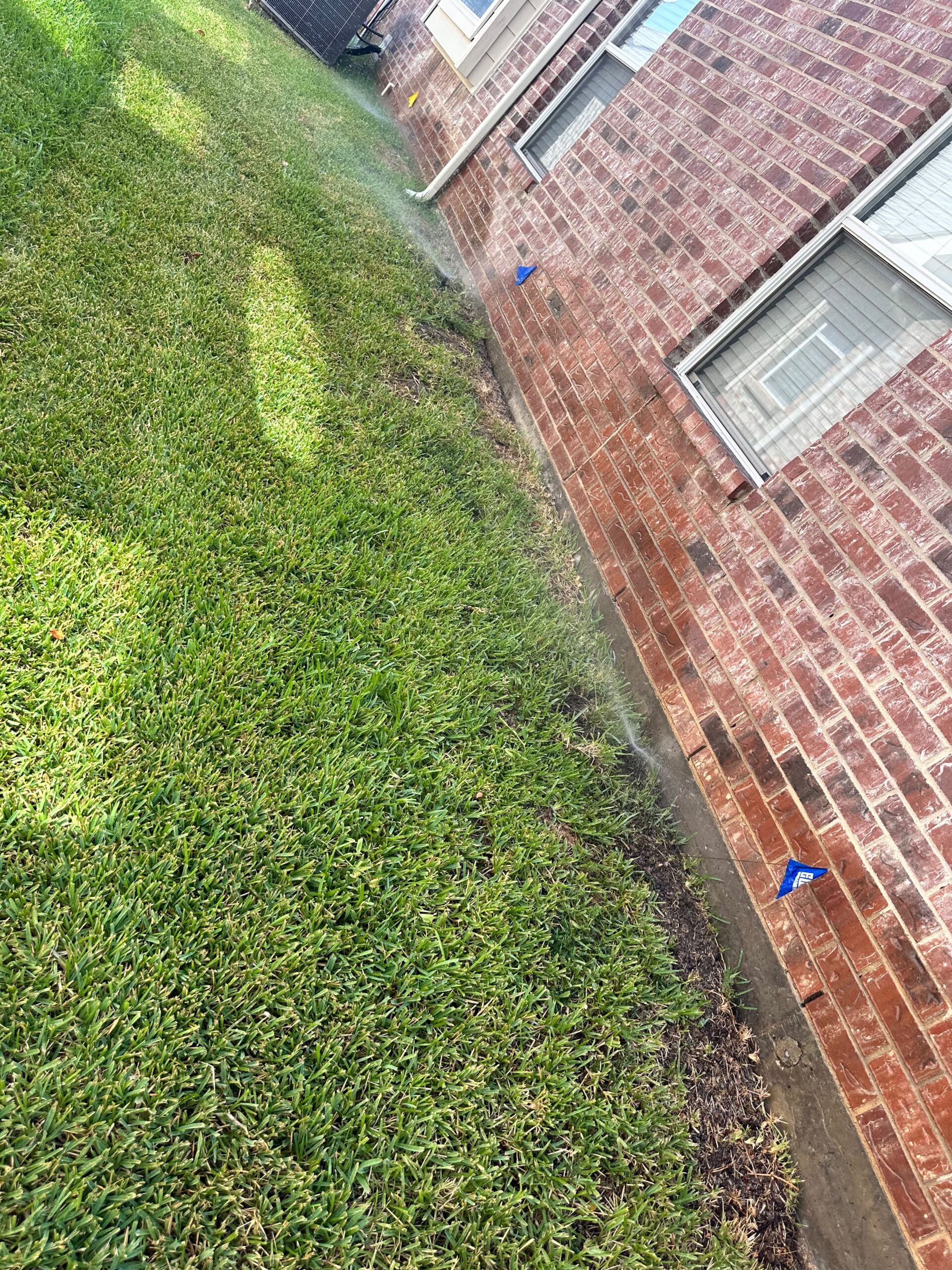
Walk through each irrigation zone while the system is running and observe every sprinkler head.
Look for:
- Heads that do not pop up
- Tilted sprinkler heads
- Cracked nozzles
- Water spraying in unusual directions
- Heads spraying sidewalks or driveways
- Sprinklers that remain above ground after watering
Sometimes debris blocks the nozzle opening, reducing spray coverage. In other cases, physical damage may require replacement.
Routine inspection recommendations from the EPA WaterSense program emphasize checking sprinkler heads regularly to improve irrigation efficiency.
Look For Wet Areas Between Sprinklers
Not every irrigation leak is visible around a sprinkler head. If certain areas of your lawn remain wet long after the watering cycle ends, an underground pipe may be leaking. Signs to watch for include standing water, soft or muddy soil, patches of grass that grow faster than surrounding areas, moss development, and consistently damp spots. Because these leaks occur below the surface, they often reduce water pressure throughout the irrigation zone, causing nearby sprinkler heads to spray weakly or unevenly. Addressing underground leaks promptly helps prevent unnecessary water waste, protects your landscape, and can reduce higher-than-expected monthly water bills.
Examine Water Pressure Throughout The Yard
Water pressure problems often reveal larger irrigation issues.
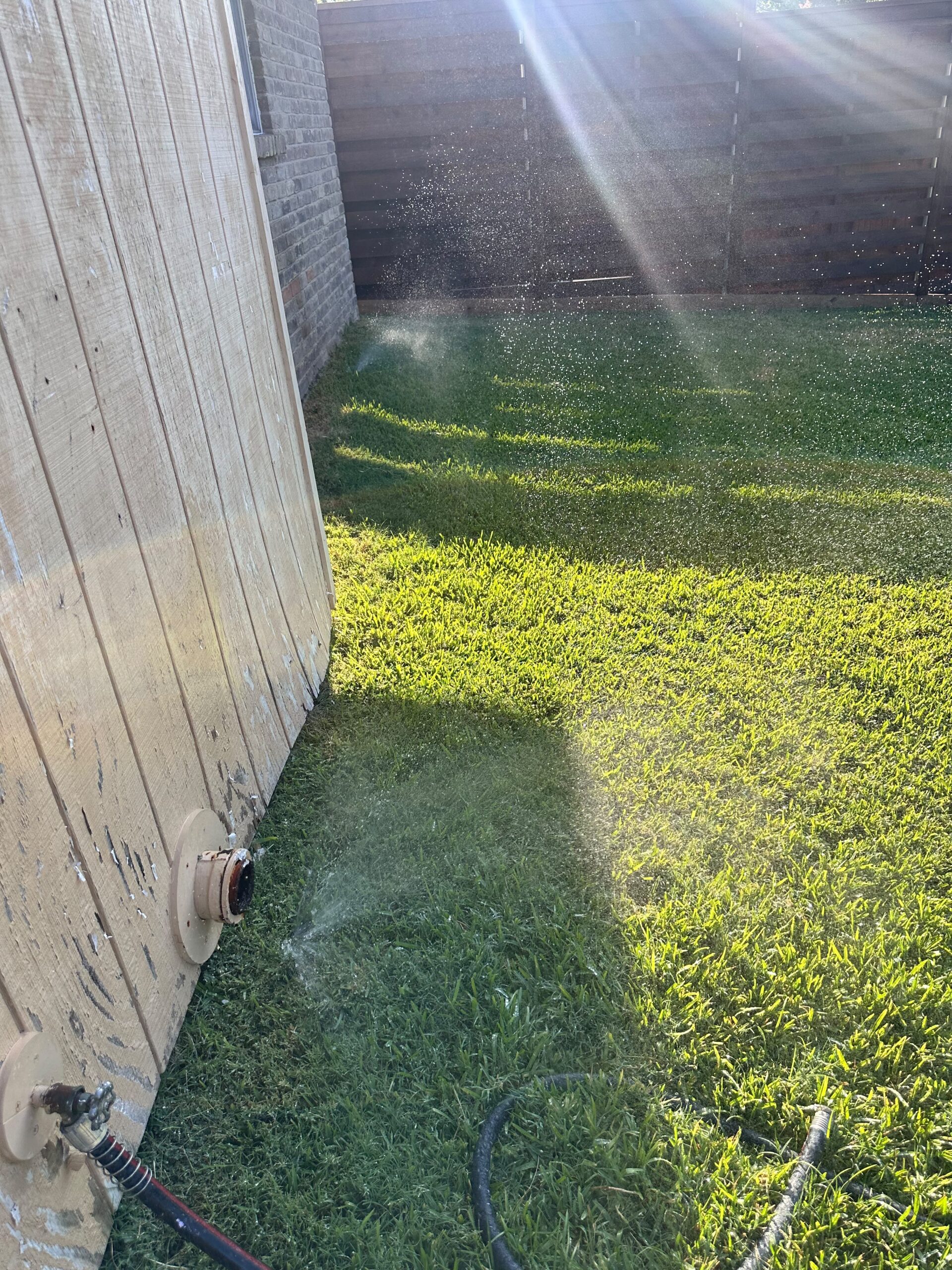
As each sprinkler zone operates, compare how every sprinkler performs.
Signs of pressure problems include:
- Weak spray patterns
- Incomplete sprinkler rotation
- Misting instead of spraying
- Short spray distance
- Inconsistent coverage
Low pressure may result from:
- Underground leaks
- Partially closed valves
- Damaged pressure regulators
- Pipe breaks
- Multiple zones operating simultaneously
Excessively high pressure can also damage sprinkler heads over time.
Check For Dry Or Brown Lawn Sections
Brown grass doesn’t always mean your lawn needs more water.
Sometimes irrigation simply isn’t reaching specific areas.
Inspect your lawn for:
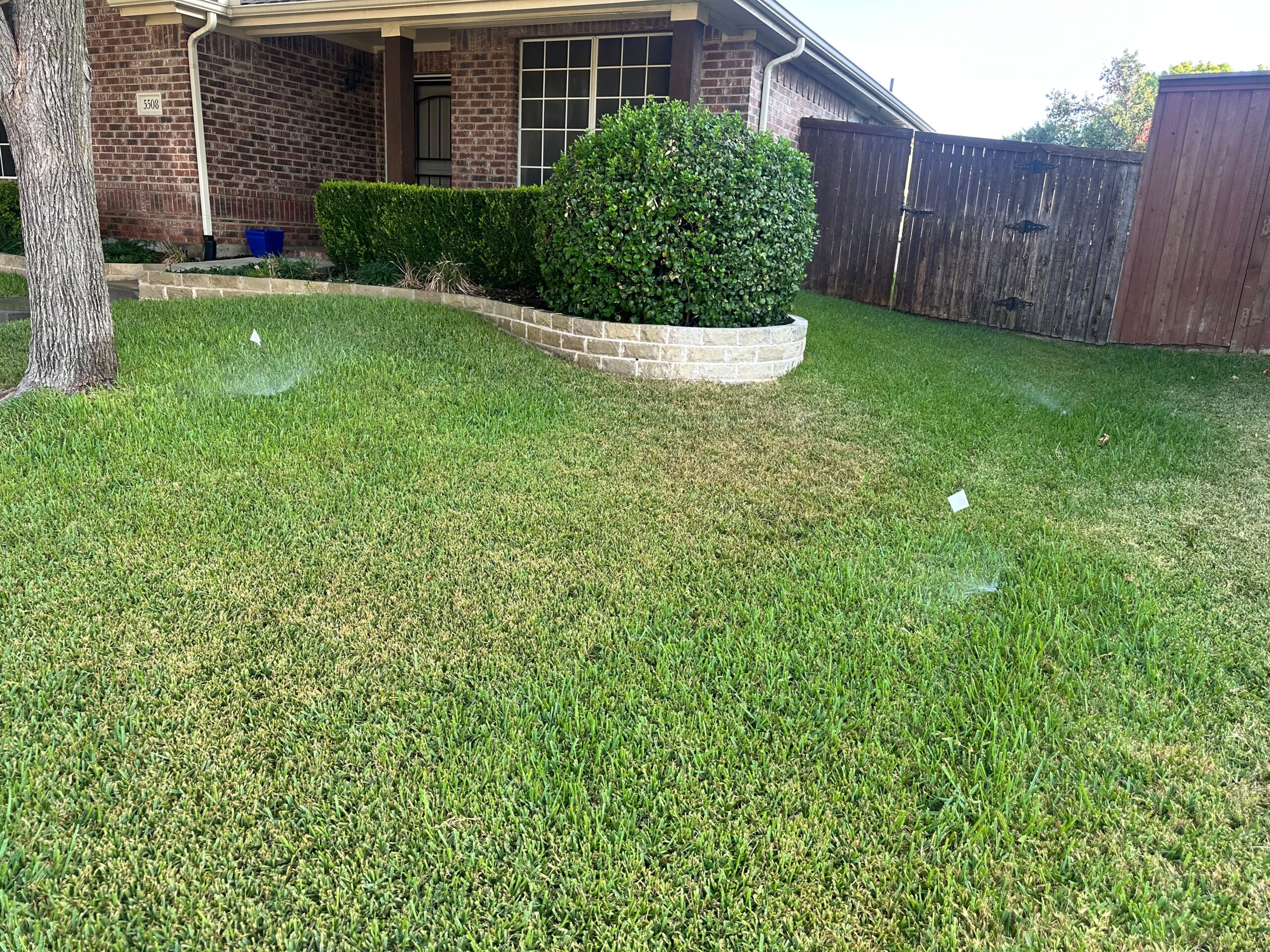
- Dry circles
- Brown strips
- Patchy turf
- Wilted plants
- Uneven growth
These symptoms often indicate:
- Misaligned sprinkler heads
- Clogged nozzles
- Blocked spray patterns
- Poor sprinkler spacing
Making note of these locations provides valuable information when scheduling repairs.
Test The Irrigation Controller
The irrigation controller serves as the brain of your sprinkler system.
Occasionally, sprinkler problems result from programming issues rather than damaged equipment.
Check whether:
- The date and time are accurate
- Watering schedules are correct
- Seasonal adjustments remain appropriate
- Individual zones activate properly
- Backup batteries require replacement
Power outages may reset irrigation schedules without homeowners noticing.
The Texas A&M AgriLife Extension encourages seasonal irrigation adjustments to improve water conservation and landscape health.
Inspect Valve Boxes
Valve boxes are often overlooked until irrigation problems develop.
Carefully remove the valve box cover and inspect inside.
Look for:
- Standing water
- Mud accumulation
- Loose wiring
- Cracked valves
- Insect nests
- Root intrusion
Continuous water inside a valve box frequently indicates a valve leak requiring professional diagnosis.
Never force electrical connections or disassemble valves unless you’re familiar with irrigation components.
Observe Each Irrigation Zone Individually
Instead of simply watching the system run for a few minutes, activate each irrigation zone separately.
This allows you to identify exactly where problems occur.
Pay attention to:
- Delayed sprinkler activation
- Zones failing to start
- Water pressure changes
- Leaking valves
- Uneven spray coverage
- Strange noises
Documenting which zones experience problems saves diagnostic time during repairs.
Check Around Trees And Shrubs
As trees mature, their root systems naturally expand beneath the soil, sometimes shifting underground pipes, compressing irrigation lines, cracking fittings, or damaging valves. These hidden issues can disrupt water flow and reduce the overall efficiency of your sprinkler system. In addition, large shrubs and overgrown plants may block sprinkler spray patterns, preventing water from reaching nearby grass and creating dry patches across your landscape. Walk around your property and observe whether irrigation water is evenly covering all intended areas. Identifying these obstructions early can help prevent unnecessary repairs, improve watering performance, and maintain a healthier, more consistent landscape.
Inspect Visible Irrigation Pipes
Although most irrigation pipes remain underground, some sections near backflow preventers or valves remain exposed.
Inspect visible piping for:
- Cracks
- Corrosion
- Loose fittings
- Water dripping
- Broken insulation
- Physical damage
Even small leaks may worsen during periods of heavy irrigation use.
Verify Rain Sensor Operation
Many irrigation systems include rain sensors designed to prevent unnecessary watering.
A malfunctioning sensor may:
- Allow watering during rainfall
- Prevent watering altogether
- Interrupt irrigation schedules
Confirm the rain sensor appears securely mounted and free from visible damage.
The Irrigation Association recommends maintaining sensors and smart irrigation equipment as part of regular system inspections.
Listen For Unusual Sounds
Some sprinkler issues can actually be heard before they’re seen.
Listen for:
- Hissing
- Continuous water flow
- Clicking valves
- Vibrating pipes
- Loud hammering sounds
Unusual noises may indicate:
- Air trapped inside lines
- Pressure problems
- Valve malfunctions
- Underground leaks
Providing these observations during your service call can improve troubleshooting efficiency.
Consider Recent Weather Conditions
Parker experiences seasonal weather fluctuations that influence irrigation performance.
Heavy rain, prolonged drought, freezing temperatures, and shifting soil can all affect sprinkler systems.
Recent weather may contribute to:
- Soil movement
- Pipe stress
- Damaged sprinkler heads
- Misaligned nozzles
- Cracked fittings
Seasonal inspections help identify weather-related damage before it becomes more expensive to repair.
Review Your Water Bill
A sudden increase in water usage often points toward an irrigation problem.
Compare recent utility bills.
Unexpected increases may result from:
- Underground leaks
- Stuck valves
- Broken sprinkler heads
- Controller programming errors
Even relatively small irrigation leaks can waste significant amounts of water over several weeks.
Tracking water usage provides another helpful clue before scheduling service.
Take Photos Before Scheduling Service
Photographs make it easier to explain irrigation problems.
Capture images of:
- Broken sprinkler heads
- Wet lawn areas
- Dry patches
- Leaking valves
- Damaged controllers
- Cracked pipes
Videos showing sprinklers while operating can also help irrigation professionals understand the symptoms before arriving.
Avoid Temporary DIY Repairs
Homeowners sometimes attempt temporary repairs using adhesives, tape, or improvised fittings.
Unfortunately, these fixes often:
- Fail quickly
- Increase future repair costs
- Hide the actual problem
- Cause additional leaks
Instead of attempting major repairs yourself, focus on documenting symptoms and shutting off irrigation if significant water loss is occurring.
Proper replacement components ensure long-term system reliability.
Helpful maintenance guidance can also be found through Family Handyman, which offers practical tips for recognizing common irrigation issues before they worsen.
Keep A Simple Checklist
Before scheduling your service appointment, take a few minutes to document everything you’ve noticed about your sprinkler system. Record which irrigation zone is experiencing problems, when the issue first appeared, any standing water, broken sprinkler heads, controller error messages, low water pressure, unusual noises, or recent landscaping work that may have affected the system. This information gives technicians a clearer understanding of the situation before they arrive, allowing them to diagnose the problem more efficiently and bring the appropriate replacement parts if needed. Keeping a simple checklist also helps ensure that no important details are overlooked during the service visit.
Conclusion
Before requesting sprinkler repair in Parker TX, taking time to inspect your sprinkler heads, controller, valves, irrigation zones, water pressure, and lawn conditions can help identify visible issues and provide valuable information for a faster diagnosis. While some problems have straightforward causes, others require professional expertise to ensure your irrigation system operates efficiently and protects your landscape from unnecessary water waste.
If you need reliable sprinkler repair in Parker TX, contact Whale Done Sprinklers & Irrigation for professional assistance. Their experienced team can accurately diagnose irrigation problems and recommend effective repair solutions to keep your system operating efficiently.
Whale Done Sprinklers & Irrigation
Phone: +1 (469) 384-7767
Email: clientsupport@callwhaledone.com