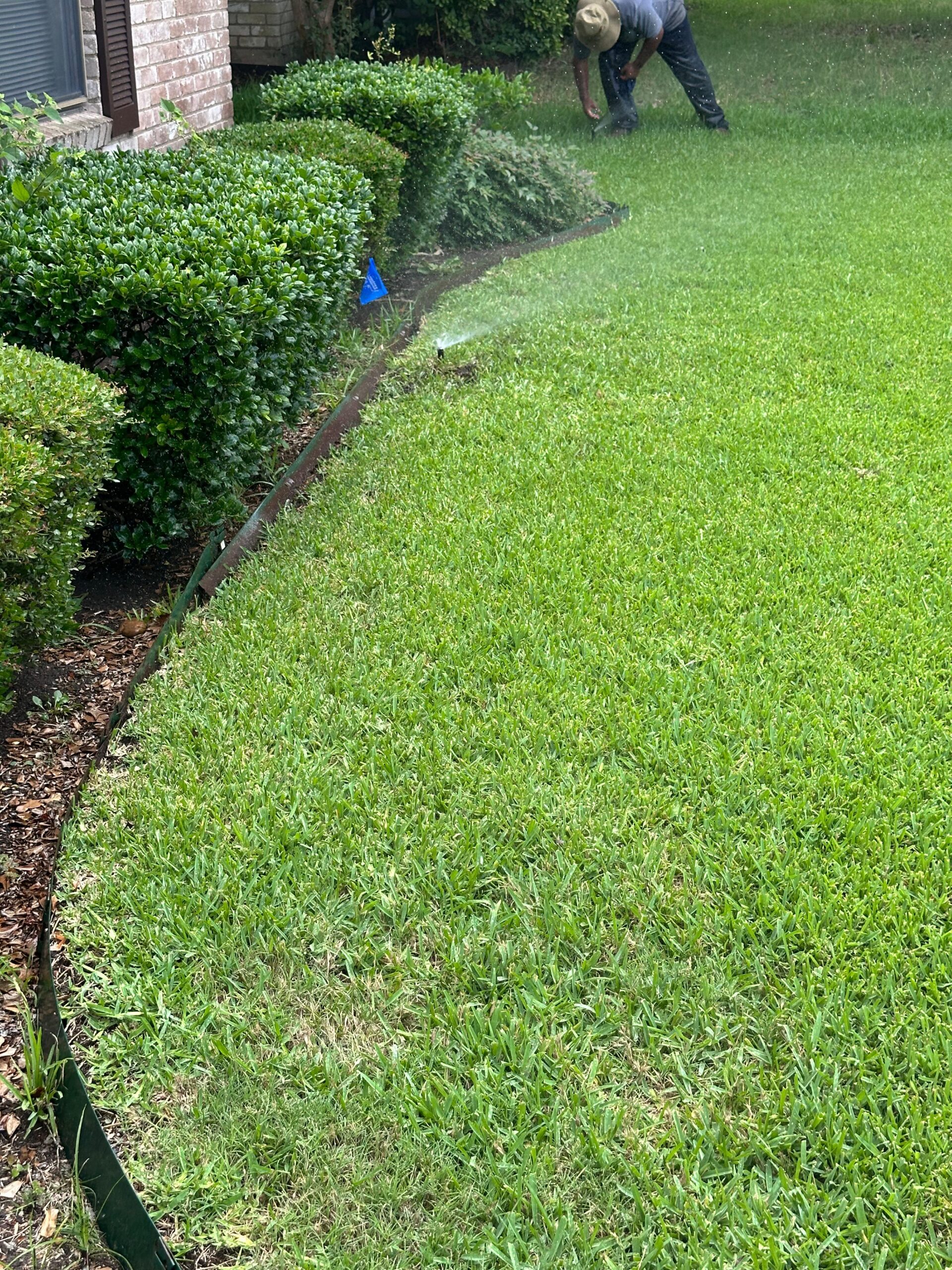
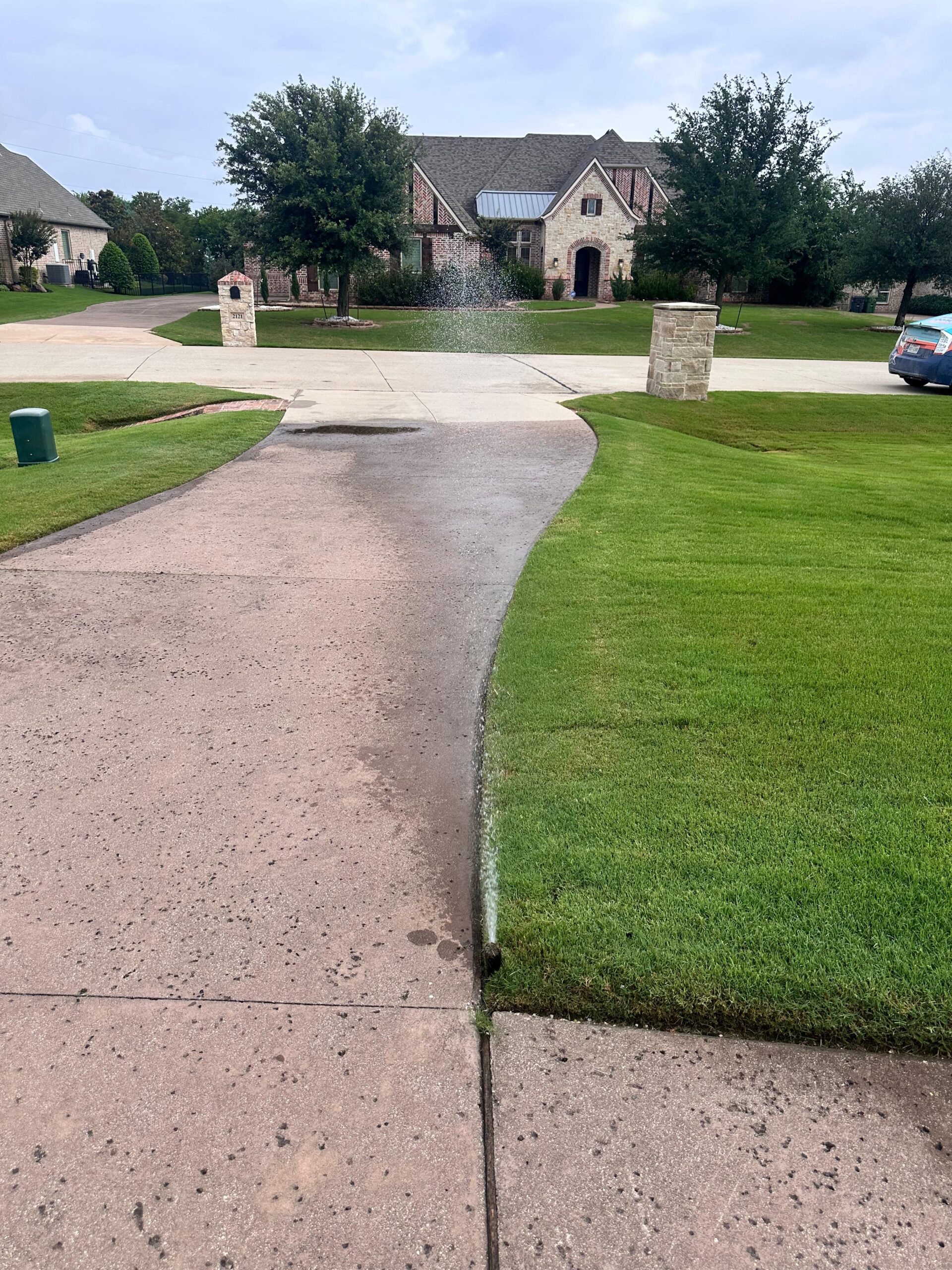
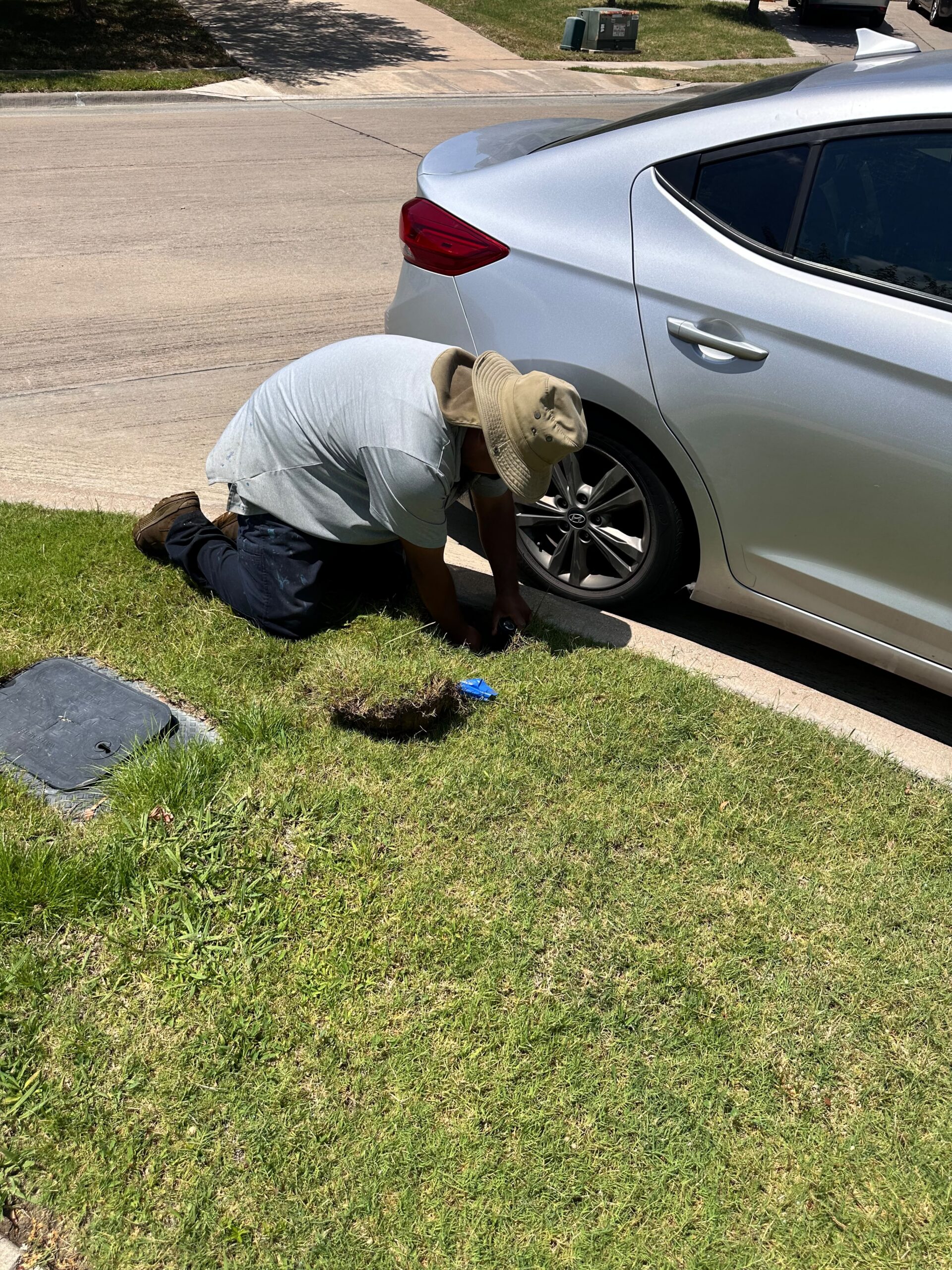
Leaking sprinkler heads in Murphy TX are a common irrigation problem that can lead to higher water bills, landscape damage, and inefficient watering if left unaddressed. While a small leak may seem insignificant at first, even minor irrigation issues can waste a substantial amount of water over time and place unnecessary stress on your entire sprinkler system.
Murphy’s warm summers, changing weather patterns, and regular irrigation demands make sprinkler systems an essential part of maintaining healthy lawns and landscapes. However, these same conditions can also contribute to wear and tear on sprinkler components. Understanding the causes of sprinkler head leaks can help homeowners identify problems early and take appropriate action before more costly repairs become necessary.
In this guide, we’ll explore the most common reasons sprinkler heads leak, warning signs to watch for, and practical solutions to keep your irrigation system operating efficiently.
Why Sprinkler Head Leaks Should Never Be Ignored
Many property owners assume a dripping sprinkler head is a minor inconvenience. In reality, leaks can create several problems, including:
- Increased water consumption
- Higher monthly utility costs
- Uneven lawn watering
- Soil erosion around sprinkler zones
- Landscape stress and plant damage
- Reduced irrigation system efficiency
- Potential foundation concerns from excessive moisture
Addressing leaks promptly helps preserve water resources while protecting your property’s appearance and irrigation investment.
Common Causes of Leaking Sprinkler Heads
1. Worn-Out Sprinkler Seals
One of the most common causes of leaking sprinkler heads is deteriorated seals. Sprinkler heads contain rubber seals that prevent water from escaping when the system is not operating.Over time, these seals naturally wear down due to:
- Constant water pressure
- Temperature fluctuations
- Age-related deterioration
- Mineral deposits
When seals become cracked, brittle, or misshapen, water can slowly seep through the sprinkler head even when the irrigation zone is turned off.
Regular system inspections can help identify worn seals before they develop into larger leaks.
2. Excessive Water Pressure
High water pressure can place significant strain on sprinkler components. Most irrigation systems are designed to operate within a specific pressure range.
When pressure exceeds recommended levels, sprinkler heads may:
- Leak continuously
- Mist excessively
- Fail prematurely
- Crack or break
According to the EPA WaterSense Program, maintaining proper irrigation efficiency is essential for reducing unnecessary water waste and maximizing system performance.
Pressure-related issues often require professional evaluation to determine whether a pressure regulator or system adjustment is needed.
3. Damaged Sprinkler Head Housing
Physical damage is another leading cause of sprinkler head leaks.
Sprinkler heads are frequently exposed to:
- Lawn mowers
- Weed trimmers
- Foot traffic
- Vehicle contact
- Landscaping equipment
Even a small crack in the housing can allow water to escape continuously. In many cases, damage may not be immediately visible, making routine inspections especially important.
Cracked sprinkler heads typically require replacement rather than repair to ensure long-term performance.
4. Debris Trapped Inside the Sprinkler Head
Dirt, sand, grass clippings, and other debris can enter irrigation systems and become lodged inside sprinkler heads.
When debris interferes with internal components, it may prevent the sprinkler from sealing properly after operation.
Common symptoms include:
- Constant dripping
- Incomplete shutoff
- Irregular spray patterns
- Reduced water coverage
Cleaning affected sprinkler heads can often resolve minor debris-related leaks before they escalate into more significant issues.
5. Aging Irrigation Components
Like any mechanical system, sprinkler systems experience natural wear over time.
Older sprinkler heads may develop leaks due to:
- Internal component fatigue
- Seal deterioration
- Plastic degradation
- Corrosion of moving parts
Homeowners with irrigation systems that have been operating for many years should consider periodic evaluations to determine whether aging components are contributing to recurring leaks.
The Irrigation Association recommends regular maintenance to improve system longevity and efficiency.
6. Valve Malfunctions
Not every leaking sprinkler head is caused by the head itself. Sometimes the issue originates within the irrigation valve.
Valves control water flow to each irrigation zone. If a valve becomes damaged or fails to close completely, water may continue flowing to sprinkler heads long after the watering cycle ends.
Common valve problems include:
- Worn diaphragms
- Debris buildup
- Electrical issues
- Mechanical failures
A malfunctioning valve often causes multiple sprinkler heads within the same zone to leak simultaneously.
7. Improper Installation
Installation errors can create long-term irrigation problems.
Common installation-related issues include:
- Incorrect sprinkler placement
- Poor pipe connections
- Improper head selection
- Misaligned fittings
These mistakes may not become apparent immediately but can eventually contribute to leaks, uneven water distribution, and reduced system performance.
Professional installation practices help minimize the risk of future irrigation complications.
8. Freeze Damage
Although Murphy generally experiences mild winters, occasional freezing temperatures can still impact irrigation systems.
Water trapped inside sprinkler components may expand when frozen, causing:
- Cracked sprinkler bodies
- Split fittings
- Damaged seals
- Leaking connections
Winterization measures can significantly reduce the likelihood of freeze-related damage.
The Natural Resources Conservation Service provides valuable information on water conservation and proper irrigation management practices.
Signs Your Sprinkler Heads May Be Leaking
Recognizing the early warning signs can help prevent more extensive damage.
Watch for:
Persistent Wet Spots
Areas that remain wet long after irrigation cycles have ended may indicate a leaking sprinkler head.
Unexplained Increases in Water Bills
A sudden increase in water usage often signals hidden irrigation leaks.
Water Pooling Around Sprinkler Heads
Pooling water near sprinkler locations usually indicates a malfunctioning seal or damaged head.
Reduced Sprinkler Performance
Leaks can affect pressure and water distribution throughout the system.
Mushy Soil Conditions
Excess moisture from leaking heads can saturate soil and create unhealthy growing conditions.
Environmental Impact of Sprinkler Leaks
Leaking sprinkler heads do more than increase utility expenses. They also contribute to unnecessary water waste.
Water conservation remains an important concern throughout many communities, particularly during periods of drought or watering restrictions.
Repairing leaks promptly can help:
- Reduce water waste
- Improve irrigation efficiency
- Protect local water supplies
- Support sustainable landscaping practices
Resources from the Texas Commission on Environmental Quality emphasize responsible water management and conservation efforts across the state.
How Professionals Diagnose Sprinkler Head Leaks
Accurately identifying the source of a leak often requires a systematic inspection process.
Professional evaluations may include:
System Pressure Testing
Pressure tests help determine whether excessive water pressure is contributing to leaks.
Zone Inspections
Each irrigation zone is examined individually to isolate affected areas.
Valve Assessments
Technicians inspect valves for mechanical failures or debris interference.
Sprinkler Head Examination
Individual sprinkler heads are checked for cracks, seal failures, and operational issues.
Underground Leak Detection
In some cases, hidden pipe leaks may be contributing to visible sprinkler head problems.
Comprehensive diagnostics help ensure the correct repair solution is applied.
Preventing Future Sprinkler Head Leaks
Preventative maintenance is one of the most effective ways to reduce irrigation problems.
Schedule Regular Inspections
Routine evaluations can identify small issues before they become major repairs.
Replace Aging Components
Upgrading worn sprinkler heads helps improve efficiency and reliability.
Monitor Water Pressure
Maintaining appropriate pressure levels protects system components.
Keep Sprinkler Heads Clean
Removing debris helps prevent sealing problems and spray disruptions.
Check System Performance Seasonally
Seasonal inspections help identify weather-related wear and potential damage.
Adjust Sprinkler Alignment
Properly aligned heads reduce strain on irrigation components and improve coverage.
When Should You Seek Professional Help?
While some minor sprinkler issues can be identified visually, many irrigation problems require specialized expertise.
Professional assistance may be beneficial if you notice:
- Continuous leaking after watering cycles
- Multiple leaking sprinkler heads
- Significant water pooling
- Unexplained pressure changes
- Recurring irrigation issues
- Sudden increases in water usage
Prompt diagnosis and repair can prevent more extensive system damage while improving overall irrigation performance.
Conclusion
Leaking sprinkler heads in Murphy TX can result from several factors, including worn seals, excessive water pressure, damaged sprinkler bodies, debris buildup, aging components, valve failures, improper installation, and occasional freeze damage. Identifying the underlying cause early can help prevent costly repairs, reduce water waste, and maintain a healthier, more efficient landscape.
If you’re experiencing persistent irrigation issues and need professional assistance with leaking sprinkler heads in Murphy TX, contact Whale Done Sprinklers & Irrigation. Their experienced team can help diagnose sprinkler problems, improve irrigation efficiency, and keep your system operating at peak performance.
Whale Done Sprinklers & Irrigation
Phone: +1(469) 384-7767
Email: clientsupport@callwhaledone.com