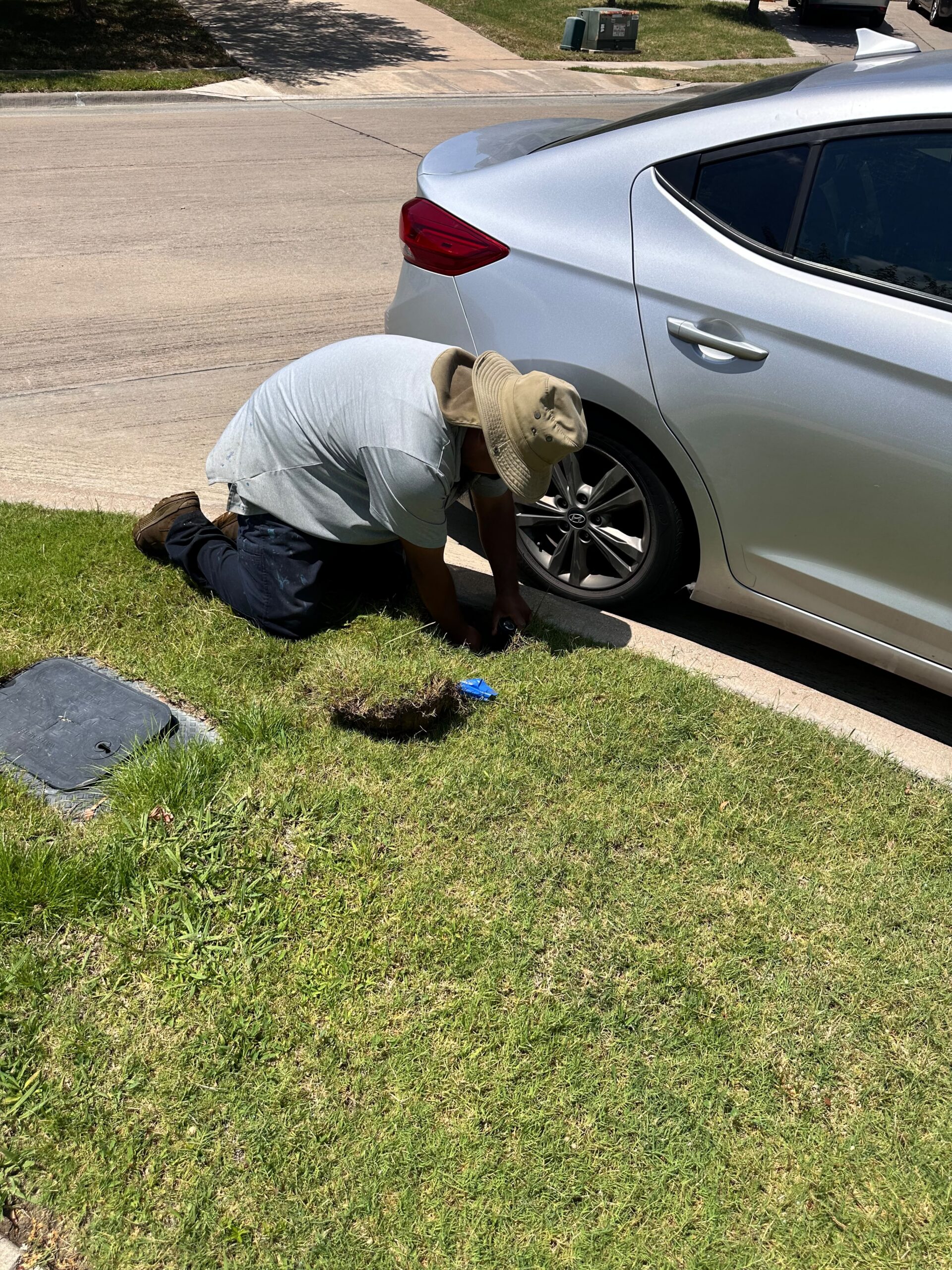
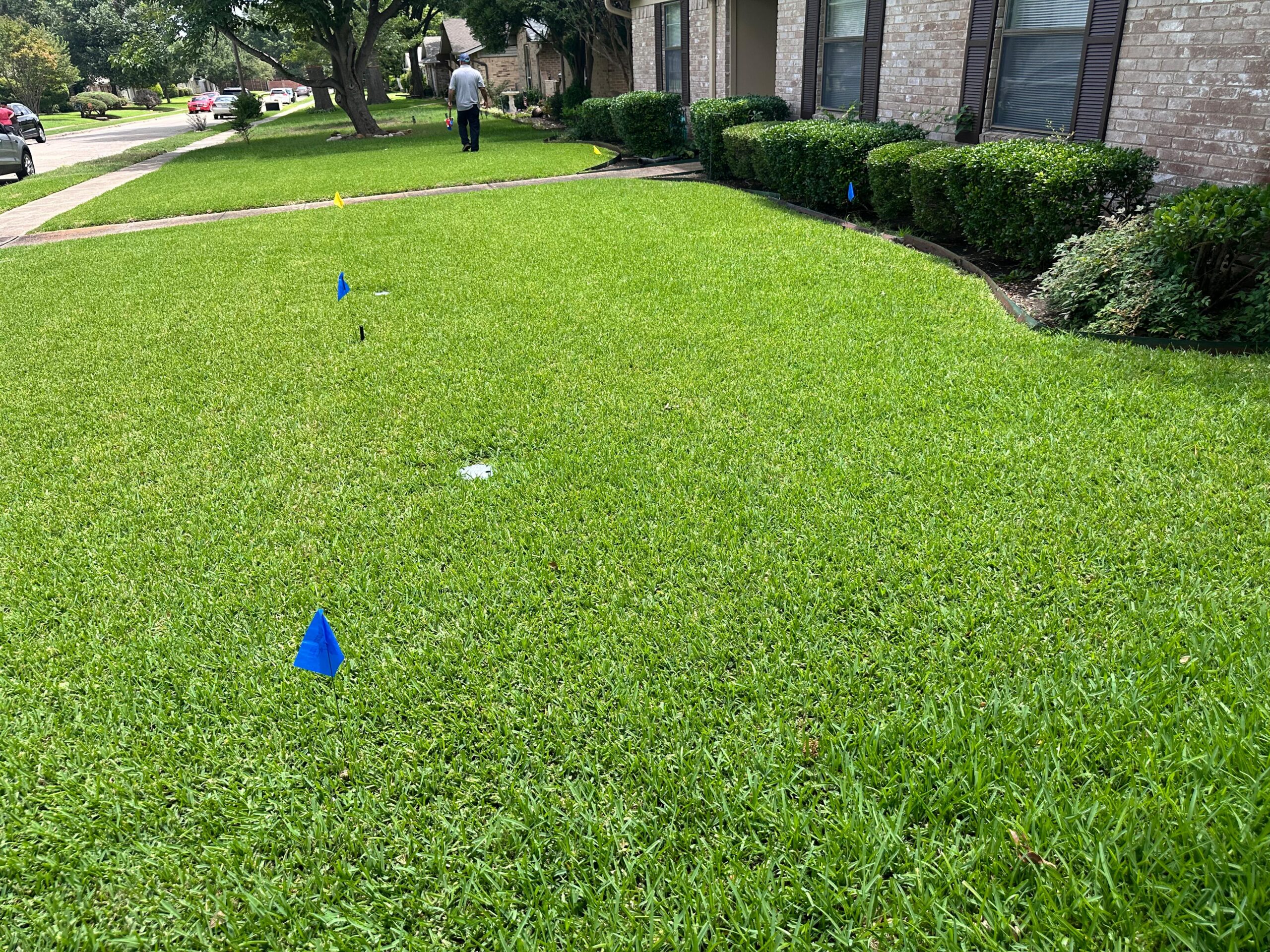
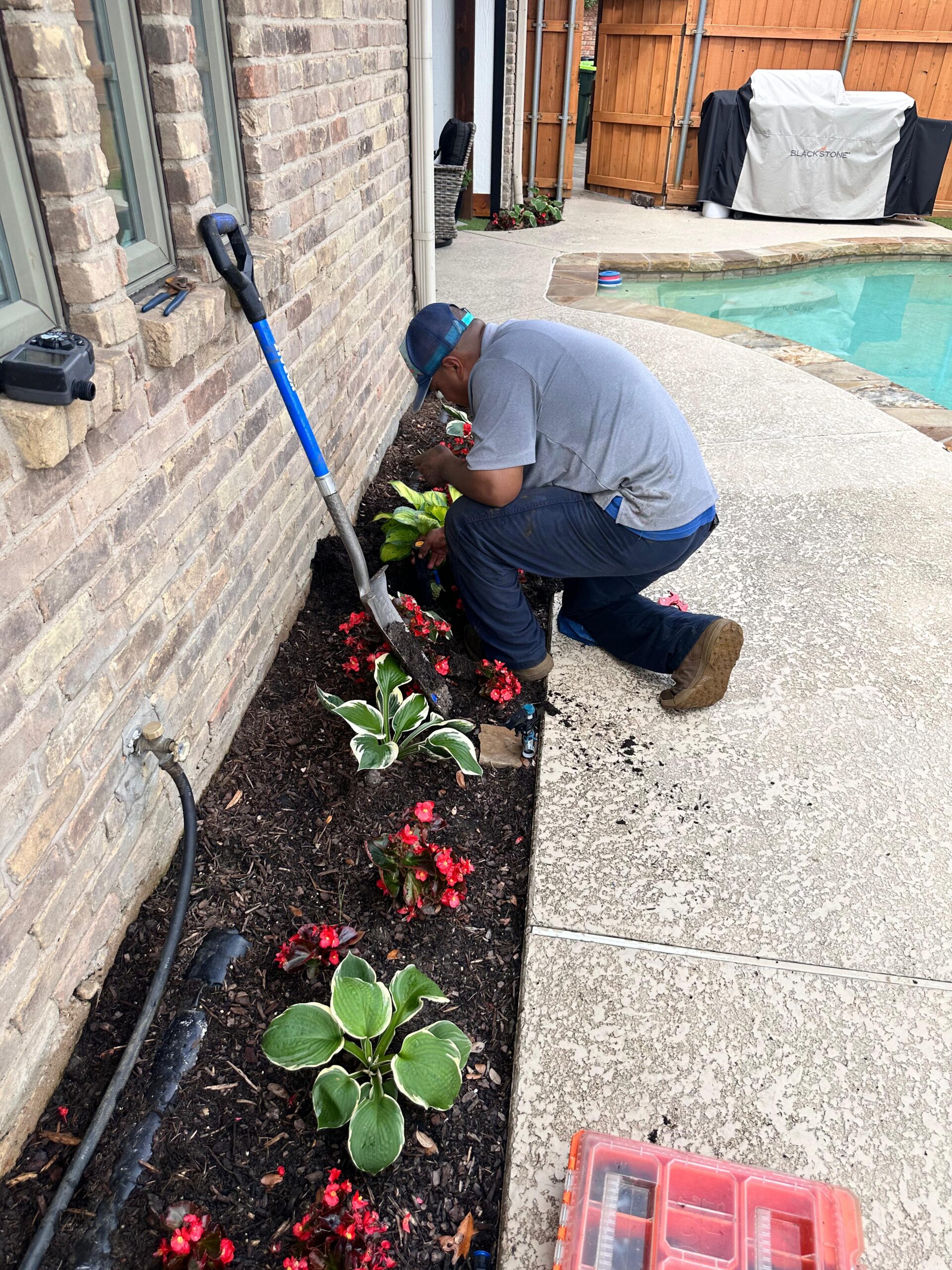
Sprinkler adjustments in Murphy TX are often one of the most effective ways to eliminate dry patches, reduce overspray, and improve the overall performance of an irrigation system. Many homeowners assume that uneven watering automatically means expensive repairs or complete system replacement. In reality, many irrigation issues stem from sprinkler heads that simply need proper alignment, pressure balancing, nozzle changes, or coverage adjustments.
Murphy homeowners invest significant time and money into maintaining healthy lawns and attractive landscapes. However, even a well-designed irrigation system can gradually become less efficient as sprinkler heads shift, grass grows taller, landscaping changes, or water pressure fluctuates over time. These seemingly minor changes can create noticeable dry spots while wasting water on sidewalks, driveways, fences, and neighboring properties.
Professional sprinkler adjustments focus on restoring even water distribution without replacing components that are still functioning properly. By carefully evaluating each zone, irrigation specialists can maximize water efficiency while protecting both your lawn and your monthly water bill.
Why Do Dry Spots Develop Even When Sprinklers Are Running?
Dry areas usually indicate that water is not reaching every section of the landscape evenly. Although many homeowners believe broken sprinkler heads are responsible, improper adjustments are frequently the actual cause.
Several factors contribute to inconsistent irrigation coverage, including:
- Sprinkler heads shifting after years of mowing
- Soil settling around irrigation components
- Tree root growth altering sprinkler positions
- Incorrect nozzle selection
- Water pressure changes
- Blocked spray patterns
- Seasonal landscape modifications
As these conditions develop, some areas receive excessive watering while others remain consistently dry. The result is an uneven lawn with patches of stressed grass despite regular irrigation.
What Causes Overspray?
Overspray occurs when irrigation water lands outside the intended landscape area. Instead of soaking into turf or planting beds, water sprays onto:
- Sidewalks
- Streets
- Driveways
- Patios
- Fences
- Exterior walls
- Decorative hardscapes
Besides wasting water, overspray can contribute to slippery walking surfaces, algae growth, foundation moisture issues, and higher utility bills.
Proper sprinkler adjustments aim to direct water precisely where it belongs.
Why Murphy Lawns Require Precise Irrigation
Murphy experiences periods of intense summer heat combined with changing rainfall throughout the year. These seasonal conditions make irrigation efficiency especially important.
Warm temperatures increase evaporation, meaning poorly adjusted sprinklers lose even more water before it reaches the soil. Wind can also redirect spray patterns, creating uneven coverage.
Local soil conditions further affect watering performance. Heavy clay soils commonly found throughout North Texas absorb water more slowly than sandy soils. Excessive watering caused by overspray or overlapping sprinkler coverage can lead to runoff before moisture penetrates deeply enough to benefit grass roots.
Making accurate sprinkler adjustments allows irrigation systems to deliver water more efficiently while minimizing unnecessary waste.
For guidance on efficient outdoor watering practices, the EPA WaterSense program provides valuable recommendations for homeowners.
Signs Your Sprinkler System Needs Adjustment
Many irrigation systems continue operating despite delivering poor watering performance.
Common warning signs include:
Uneven Grass Color
Healthy turf should maintain a relatively consistent appearance throughout the yard. Bright green sections next to yellow or brown patches often indicate uneven sprinkler coverage.
Water Spraying Sideways
If sprinkler heads spray onto fences, vehicles, or pavement instead of the lawn, simple directional adjustments may solve the problem.
Mist Instead of Water Streams
High water pressure can cause sprinkler heads to produce fine mist rather than larger droplets. Mist evaporates quickly during hot Texas afternoons.
Standing Water
Pooling water suggests excessive overlap or incorrect sprinkler alignment.
Dry Areas Near Sprinkler Heads
Ironically, grass immediately surrounding a sprinkler head may remain dry if the nozzle is clogged or the spray arc has shifted.
How Professional Sprinkler Adjustments Improve Coverage
A comprehensive irrigation adjustment involves much more than turning sprinkler heads by hand.
Professionals typically inspect:
Spray Direction
Each sprinkler head should deliver water only within its designated coverage area.
Spray Arc
The arc determines how much of a circular pattern each sprinkler covers.
Adjustments ensure neighboring sprinkler heads overlap correctly without excessive duplication.
Throw Distance
Nozzle adjustments determine how far water travels.
Too little distance creates dry spots.
Too much distance contributes to overspray.
Water Pressure
Proper operating pressure improves droplet size, distribution, and overall irrigation efficiency.
Nozzle Selection
Different areas require different nozzle types depending on:
- Lawn shape
- Planting beds
- Slopes
- Soil type
- Water requirements
Replacing incorrect nozzles often improves irrigation without major repairs.
Why Seasonal Sprinkler Adjustments in Murphy TX Matter
Landscapes continually change throughout the year.
Grass grows taller.
Trees become fuller.
Flower beds expand.
Shrubs mature.
Each of these changes can alter sprinkler coverage patterns.
Spring adjustments prepare systems for increasing temperatures.
Summer adjustments compensate for changing evaporation rates.
Fall adjustments reduce unnecessary watering as temperatures cool.
Seasonal inspections help maintain consistent performance throughout the year.
Helpful seasonal irrigation recommendations are available through the Texas A&M AgriLife Extension.
Can Adjustments Reduce Water Bills?
Yes.
Properly adjusted sprinklers improve water efficiency by ensuring every irrigation zone delivers the right amount of water exactly where it is needed. This helps reduce unnecessary water waste while promoting healthier, more consistent lawn growth. Homeowners often notice lower monthly utility bills, fewer landscape repairs caused by overwatering or underwatering, and stronger grass that can better withstand periods of drought.
Even small adjustments to sprinkler heads, spray patterns, or watering zones can make a noticeable difference in overall system performance, helping landscapes remain attractive and well-maintained throughout the peak watering season while supporting long-term water conservation efforts.
The Importance of Head-to-Head Coverage
Professional irrigation systems are designed around a principle known as head-to-head coverage, which means each sprinkler is positioned to spray water far enough to reach the next sprinkler in the zone. This intentional overlap helps distribute water evenly across the landscape, reducing dry spots and ensuring the entire lawn receives consistent moisture.
Proper coverage also makes irrigation cycles more efficient by preventing under- or over-watering in specific areas. Over time, sprinkler heads can shift due to mowing, soil movement, or landscaping changes, disrupting this balance. Professional sprinkler adjustments restore accurate alignment, improving coverage and maintaining a healthier, more uniformly watered landscape.
Common Sprinkler Problems That Adjustments Can Solve
Many irrigation issues do not require replacing major system components.
Proper adjustments can often resolve:
- Uneven spray patterns
- Overspray onto hard surfaces
- Minor dry patches
- Excessive overlap
- Inconsistent watering
- Rotating head alignment issues
- Spray interference from nearby plants
However, damaged pipes, leaking valves, broken wiring, or cracked sprinkler heads usually require repairs beyond simple adjustments.
How Landscaping Changes Affect Irrigation
Many Murphy homeowners regularly enhance their landscapes by adding new flower beds, decorative borders, trees, shrubs, and outdoor living spaces to improve curb appeal and functionality. While these upgrades add beauty and value, they can unintentionally affect the performance of an existing sprinkler system. As plants mature, they may block spray patterns, preventing water from reaching certain areas. Likewise, newly installed patios or hardscapes may receive unnecessary overspray if sprinkler heads are not adjusted. In many cases, simple nozzle changes or sprinkler adjustments—not a complete system redesign—are enough to restore efficient coverage after landscaping projects and maintain consistent watering.
Why Water Pressure Matters
Water pressure plays a critical role in the performance of every sprinkler head within an irrigation zone. When pressure is too high, it can create excessive mist, increase wind drift, cause overspray, and accelerate water evaporation before it reaches the soil. On the other hand, pressure that is too low may reduce spray distance, limit proper head-to-head coverage, create dry sections across the lawn, and prevent rotating sprinkler heads from operating correctly.
Because water pressure directly impacts irrigation efficiency and coverage, professional irrigation evaluations typically include pressure testing before making sprinkler adjustments to ensure consistent watering and optimal system performance.
Recommendations from the Irrigation Association explain how proper system design improves water conservation and landscape health.
Smart Irrigation Controllers Work Best With Proper Adjustments
Many homeowners install smart irrigation controllers expecting immediate improvements.
Although smart controllers automatically adjust watering schedules based on weather conditions, they cannot compensate for poorly aimed sprinkler heads.
If sprinklers continue spraying sidewalks instead of grass, controller technology alone cannot solve the problem.
Accurate sprinkler adjustments allow smart irrigation technology to operate as intended while maximizing water savings.
Why Routine Irrigation Inspections Are Worthwhile
Even irrigation systems that appear to operate normally benefit from periodic inspections.
Routine evaluations can identify:
- Minor alignment issues
- Gradually developing dry spots
- Pressure inconsistencies
- Worn nozzles
- Hidden efficiency problems
Correcting these small concerns early often prevents larger landscape issues later.
Annual inspections also provide an opportunity to verify seasonal watering schedules and ensure each irrigation zone continues meeting the landscape’s changing needs.
Homeowners can also review irrigation efficiency tips from Sprinkler Warehouse to better understand common sprinkler maintenance practices.
When Should You Schedule Sprinkler Adjustments?
Although adjustments can be performed anytime, they are especially beneficial:
- Before summer temperatures arrive
- After installing new landscaping
- Following sprinkler repairs
- After replacing nozzles
- When moving into a new home
- If water bills suddenly increase
- Whenever dry spots begin appearing
Addressing irrigation performance early helps avoid unnecessary lawn damage during periods of high heat.
Maintaining a Healthy Landscape Through Efficient Watering
A healthy lawn depends on more than simply running the sprinkler system regularly. Water must be distributed evenly so that every section of the landscape receives adequate moisture without unnecessary waste. Proper sprinkler adjustments improve irrigation accuracy, encourage stronger root development, reduce runoff, and help preserve valuable water resources. As landscapes mature and seasonal conditions change, routine adjustments ensure the system continues operating efficiently. By keeping sprinkler heads properly aligned and coverage balanced, homeowners can enjoy greener lawns, healthier plants, and more consistent irrigation performance throughout every season.
Conclusion
If you’re noticing dry patches, uneven watering, or water spraying onto sidewalks and driveways, sprinkler adjustments in Murphy TX may provide an effective solution before more extensive repairs become necessary. Professional inspections and precise adjustments can improve irrigation efficiency, promote healthier turf, reduce water waste, and extend the life of your sprinkler system.
For professional irrigation assistance, contact Whale Done Sprinklers & Irrigation.
Phone: +1 (469) 384-7767
Email: clientsupport@callwhaledone.com