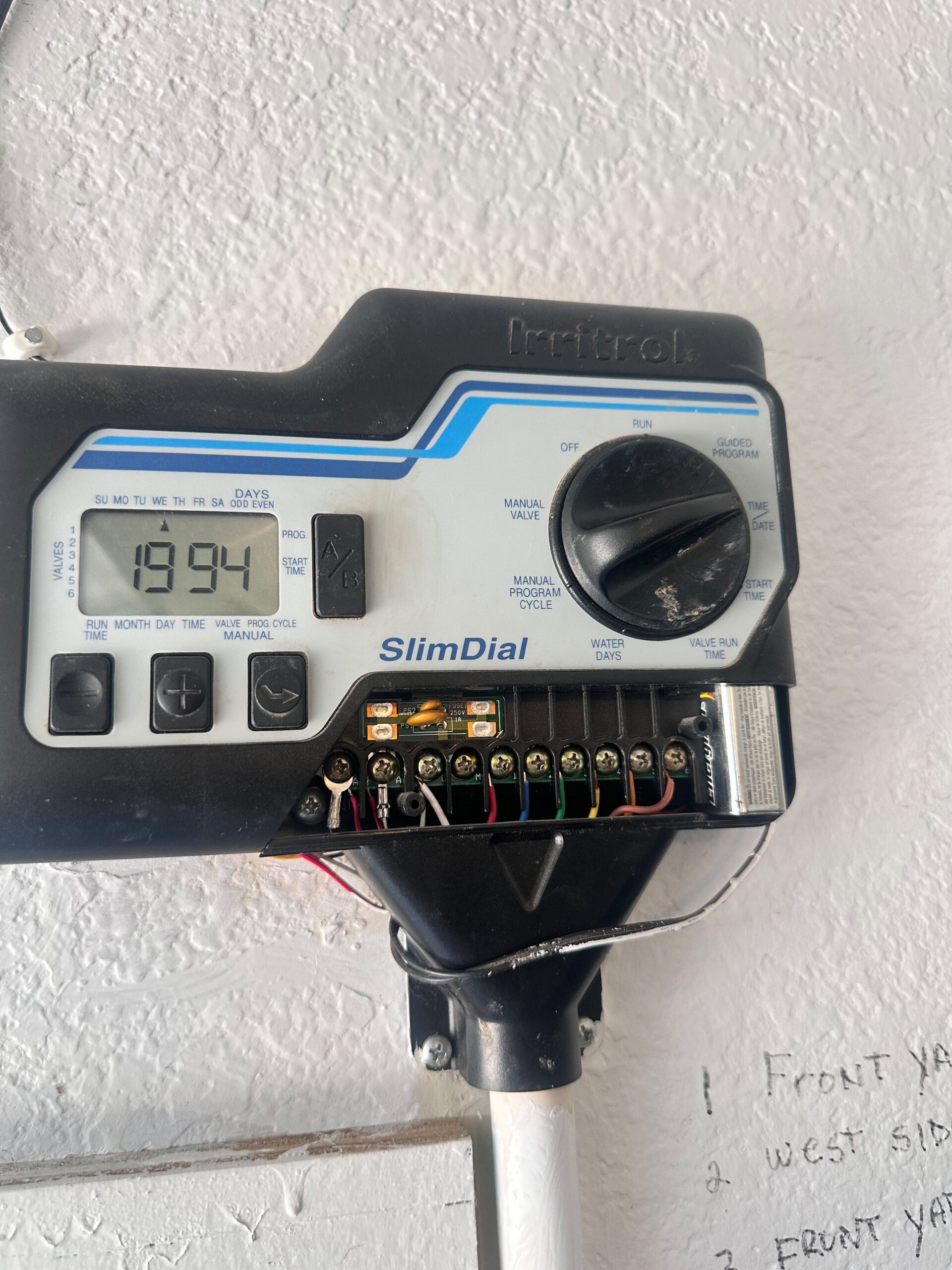
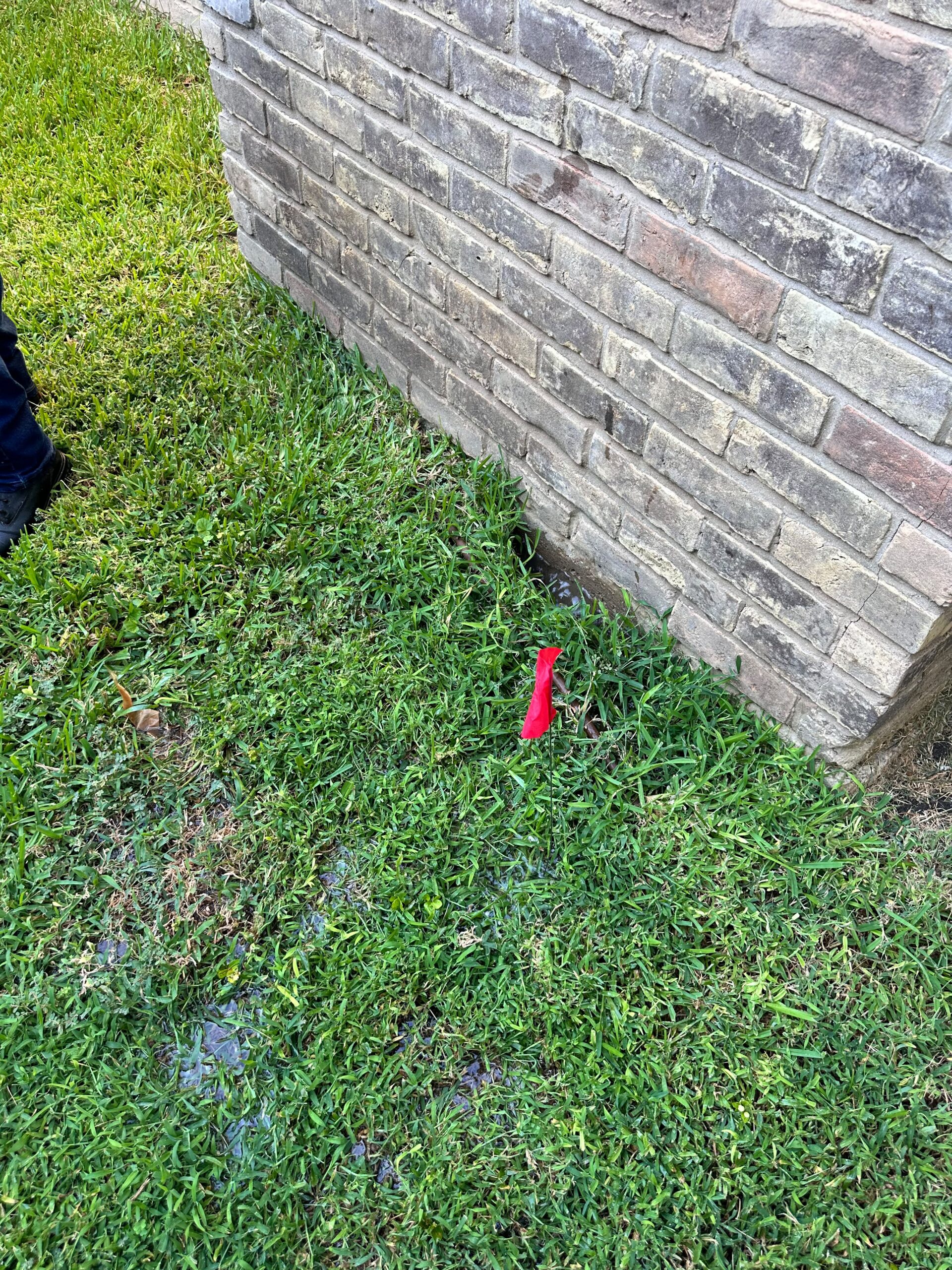
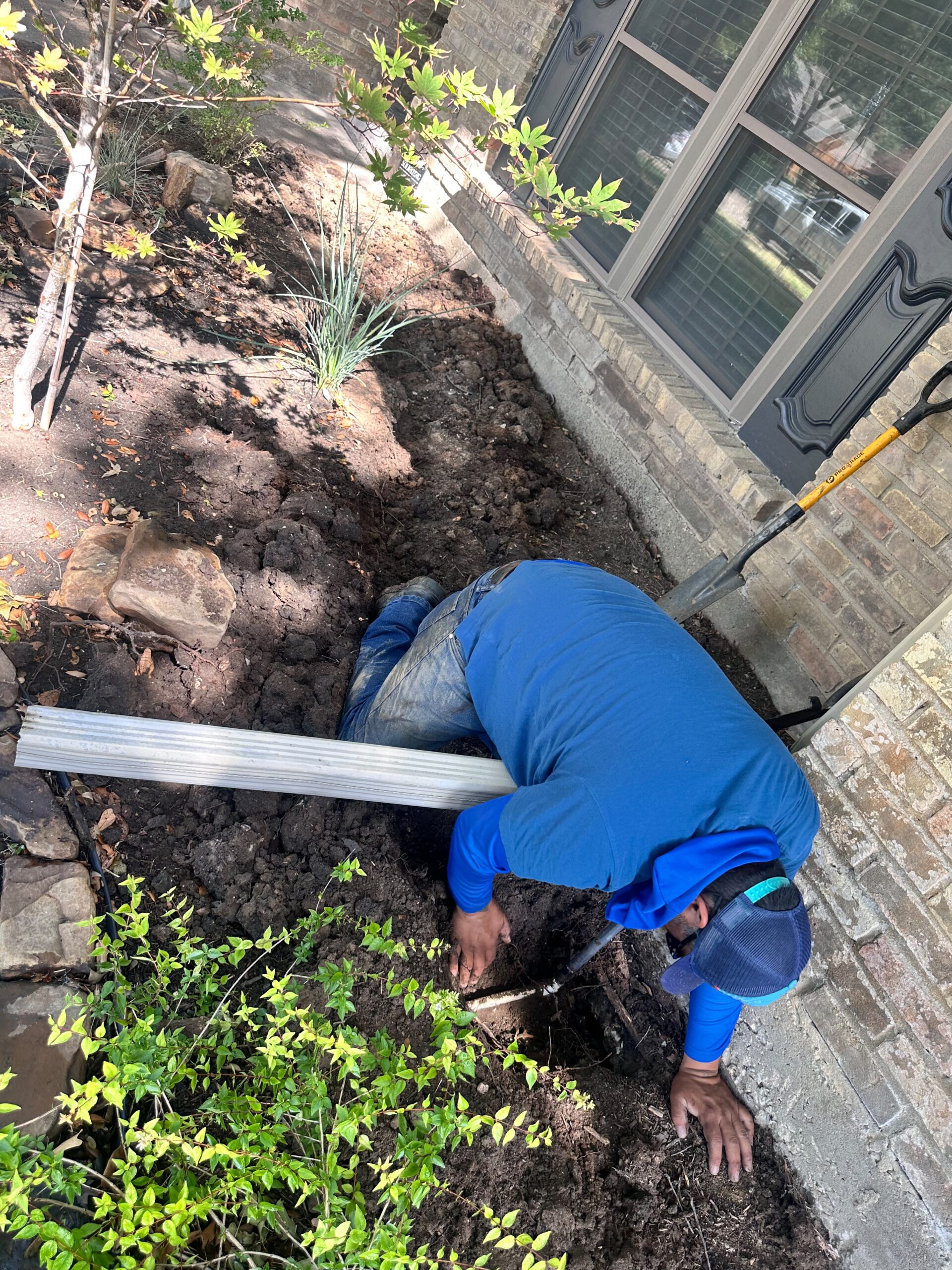
Seasonal maintenance in Murphy TX is generally recommended three times a year: a spring startup in March or April before regular watering begins, a mid-summer check in July to catch heat-related wear, and a winterization visit in late October or November before the first hard freeze. Sticking to this schedule helps catch small issues, like a cracked head or a valve that’s starting to leak, before they turn into a high water bill or a bigger repair. Homeowners who skip seasonal checks often don’t notice problems until the lawn or the bill shows it.
At a Glance
- Difficulty: Easy to schedule; maintenance itself is typically performed by a licensed sprinkler company
- Estimated Time: 30–45 minutes per seasonal visit
- Tools Needed: None for the homeowner
- Works For: Spring startup, summer wear-and-tear checks, fall winterization
- May Not Solve: Major system age issues or damage from an unrelated event, like construction or a hard freeze that already occurred
Why Timing Matters for Seasonal Maintenance in Murphy TX
An irrigation system experiences different stress at different times of year. Winter freezes can crack exposed pipe or backflow components. Spring startup after months of inactivity can reveal issues that weren’t visible when the system was last used. Summer heat puts the most demand on the system, running longer and more often, which is when worn parts tend to fail.
Scheduling maintenance around these seasonal changes, rather than waiting for a visible problem, means small issues get caught while they’re still small. A slightly worn valve found in spring is a quick fix. The same valve, left unchecked through a full summer of daily use, can turn into a much larger and more expensive repair.
There’s also a cumulative aspect to consider. A system that goes unchecked for a full year doesn’t just carry forward one issue, it often accumulates several small ones at once: a slightly misaligned head here, a valve that’s starting to weaken there, a schedule that’s a few minutes too long on more than one zone. Individually, none of these would prompt a service call. Together, they can add up to a noticeably higher water bill or a lawn that looks less healthy than it should.
Signs Your System Is Overdue for a Seasonal Check
A few patterns tend to show up when a system has gone too long without a scheduled visit.
- It’s been more than six months since the system was last inspected
- The lawn has patchy or unevenly watered areas that weren’t there before
- The water bill has climbed gradually without an obvious cause
- The system wasn’t winterized before the most recent freeze
- Zones seem to run longer or shorter than they used to without any setting changes
Any single sign might not mean much on its own, but a system showing more than one of these is a good candidate for a seasonal check sooner rather than later.
When to Schedule Each Type of Seasonal Maintenance
1. Spring Startup (March–April)
This is the most important seasonal check for most homeowners. After winter, the system needs to be turned back on carefully, checked zone by zone, and adjusted for the coming season. This is also when freeze damage from winter typically becomes visible for the first time.
2. Mid-Summer Check (June–July)
By mid-summer, the system has been running on a regular schedule for a few months. This is a good time to catch heat-related wear, verify run times are still appropriate, and confirm nothing has shifted due to ground movement in the summer heat.
3. Fall Winterization (Late October–November)
Before the first hard freeze, the system should be drained or blown out to prevent water from freezing and cracking pipes, valves, or the backflow preventer. Waiting too long into November increases the risk of an unexpected early freeze catching the system unprepared.
4. As-Needed Checks After Major Weather Events
Outside the regular schedule, it’s worth a quick inspection after any unusually severe freeze, drought, or heavy storm, since these events can cause damage outside the normal seasonal pattern.
5. After Significant Landscaping Changes
Adding a fence, resodding part of the lawn, or installing a new driveway or patio can change how well the existing system covers the yard. A quick check after any of these projects helps confirm heads are still aimed correctly and coverage still matches the space.
Common Mistakes Homeowners Make
- Waiting until a problem is visible. By the time a leak or broken head is obvious, it’s often been wasting water for weeks.
- Skipping winterization because it “seemed fine last year.” A single hard freeze without proper winterization can cause damage that isn’t visible until the system runs again in spring.
- Doing spring startup too early or too late. Starting too early risks running a system that still has freeze damage; waiting too long delays catching issues before the summer watering season ramps up.
- Treating all three seasonal checks as optional. Each one catches different types of wear, and skipping one often means a problem goes unnoticed until the next season’s visit.
- Assuming a quiet system is a healthy system. A system that hasn’t triggered any obvious complaints isn’t necessarily running efficiently; it may simply not have reached the point where the issue becomes visible.
Local Considerations for Murphy, TX
A few conditions specific to this area affect the timing and importance of seasonal maintenance.
- Occasional hard freezes in North Texas winters make fall winterization especially important, even though winters here are milder than in other parts of the country.
- Clay soil shifts noticeably between wet and dry seasons, which can loosen fittings and shift buried lines over time, making seasonal checks useful for catching movement-related issues early.
- Water restrictions set locally limit watering days and times, so a system that’s fully functional and efficiently scheduled matters more when watering windows are already limited.
- Rapid residential growth in Murphy means many systems are still relatively new, but newer systems still benefit from the same seasonal schedule as older ones, since wear and freeze risk aren’t tied to system age alone.
- Hot, humid summers increase demand on the system, making the mid-summer check a useful point to confirm everything is holding up under regular use.
Related Problems Seasonal Maintenance Can Catch Early
Routine seasonal checks often catch issues before they become the kind of problem a homeowner notices on their own:
- Freeze damage to backflow preventers or shallow pipe sections that isn’t visible until the system runs again
- Valve issues that develop gradually and worsen with each watering cycle
- Overspray or misaligned heads caused by landscaping changes made during the previous season
- Outdated run times left unchanged from the prior season’s schedule
Catching these during a scheduled visit is generally less costly and less disruptive than waiting for a water bill spike or a visibly broken component to prompt a call. A scheduled visit also gives a homeowner a documented baseline, so if a problem does come up later, there’s a clear record of when the system was last confirmed to be working correctly.
Frequently Asked Questions
- Do I really need maintenance three times a year, or is once enough?
Each seasonal visit catches different issues, spring startup addresses freeze damage, summer checks address heat-related wear, and winterization prevents freeze damage in the first place, so skipping any one leaves a gap in coverage.
- What happens if I skip winterization?
Water left in the system can freeze and expand, potentially cracking pipes, valves, or the backflow preventer. This kind of damage is often not discovered until the system is turned back on in spring.
- Is spring startup something I can do myself?
Basic steps like turning the water back on can be done by a homeowner, but checking for freeze damage, testing each zone, and adjusting the schedule properly is typically more thorough when handled by a licensed sprinkler company.
- How soon after a hard freeze should I check my system?
If a hard freeze occurs and the system wasn’t winterized, it’s worth checking before running it again, since running a damaged line can make repairs more extensive.
- Does a newer system still need seasonal maintenance?
Yes. Freeze risk and normal wear affect systems regardless of age, and a newer system that’s never been checked can still develop issues from a hard freeze or a full season of regular use, particularly if it was installed alongside landscaping that has since matured or shifted.
Bottom Line
Seasonal maintenance in Murphy TX is most effective on a three-part schedule: spring startup, a mid-summer check, and fall winterization. Following this timing catches small issues, like freeze damage or a worn valve, before they turn into a larger repair or an unexplained jump in the water bill.
Next Step
If your system hasn’t been checked recently, or you’re not sure when it was last serviced, a licensed sprinkler company can perform a full seasonal check and get you on a regular schedule going forward. This is especially useful heading into the first freeze of the season or before summer watering demands increase.
Related Resources
- Can a Sprinkler System Evaluation Help Reduce Water Waste?
- Is My Sprinkler System Running Too Long in Lucas, TX?
- How Can I Stop Sprinkler Overspray in Frisco, TX?
- Can a Small Sprinkler Leak Increase My Water Bill?
- Understanding Your Irrigation Controller Settings
Conclusion
Scheduling seasonal maintenance in Murphy TX around spring startup, a mid-summer check, and fall winterization is the most reliable way to catch small issues before they become expensive repairs. If your system is due for a check, a licensed sprinkler company can get it inspected and set on a consistent seasonal schedule going forward.