Fixing a broken zone in Parker TX before cutting back your watering schedule matters because a schedule reduction assumes every zone is working correctly to begin with. If a zone already has a broken head, a stuck valve, or uneven coverage, reducing run times on top of that problem can leave parts of the lawn seriously underwatered. The correct order is to repair what’s broken first, then adjust the schedule based on how the system performs once every zone is functioning as intended.
At a Glance
- Difficulty: Easy to identify, varies for repair
- Estimated Time: 15–30 minutes to inspect all zones
- Tools Needed: None to inspect; basic hand tools or replacement parts for repairs
- Works For: Broken heads, stuck valves, misaligned coverage, clogged nozzles
- May Not Solve: Underlying pressure problems or issues in the main supply line
Why the Order Matters
Watering schedules are typically built around an assumption: that each zone delivers water evenly and reliably across the area it’s designed to cover. A schedule reduction, whether it’s fewer minutes per cycle or fewer days per week, is calculated based on that assumption holding true.
When a zone has a broken head, a valve that doesn’t fully open, or a nozzle that’s partially clogged, that zone isn’t delivering the water the schedule assumes it is. Reducing the schedule on top of an already-compromised zone compounds the problem. What was previously a partial shortfall becomes a much more noticeable dry patch once run times are cut.
Fixing the mechanical issue first establishes a reliable baseline. Once every zone is working as designed, any further schedule adjustments reflect the lawn’s actual water needs rather than trying to compensate for equipment that isn’t functioning properly.
There’s a compounding effect worth understanding here too. A schedule reduction is usually calculated as a percentage, whether it’s a shorter run time or fewer watering days. Applying that same percentage cut to a zone that’s already delivering less water than it should doesn’t just maintain the shortfall, it multiplies it. A zone running at 70 percent effectiveness that then has its run time cut by 30 percent for seasonal adjustment ends up delivering far less water than either problem would cause on its own.
How to Check for a Broken Zone in Parker TX Before Adjusting Your Schedule
1. Run Every Zone and Watch Closely
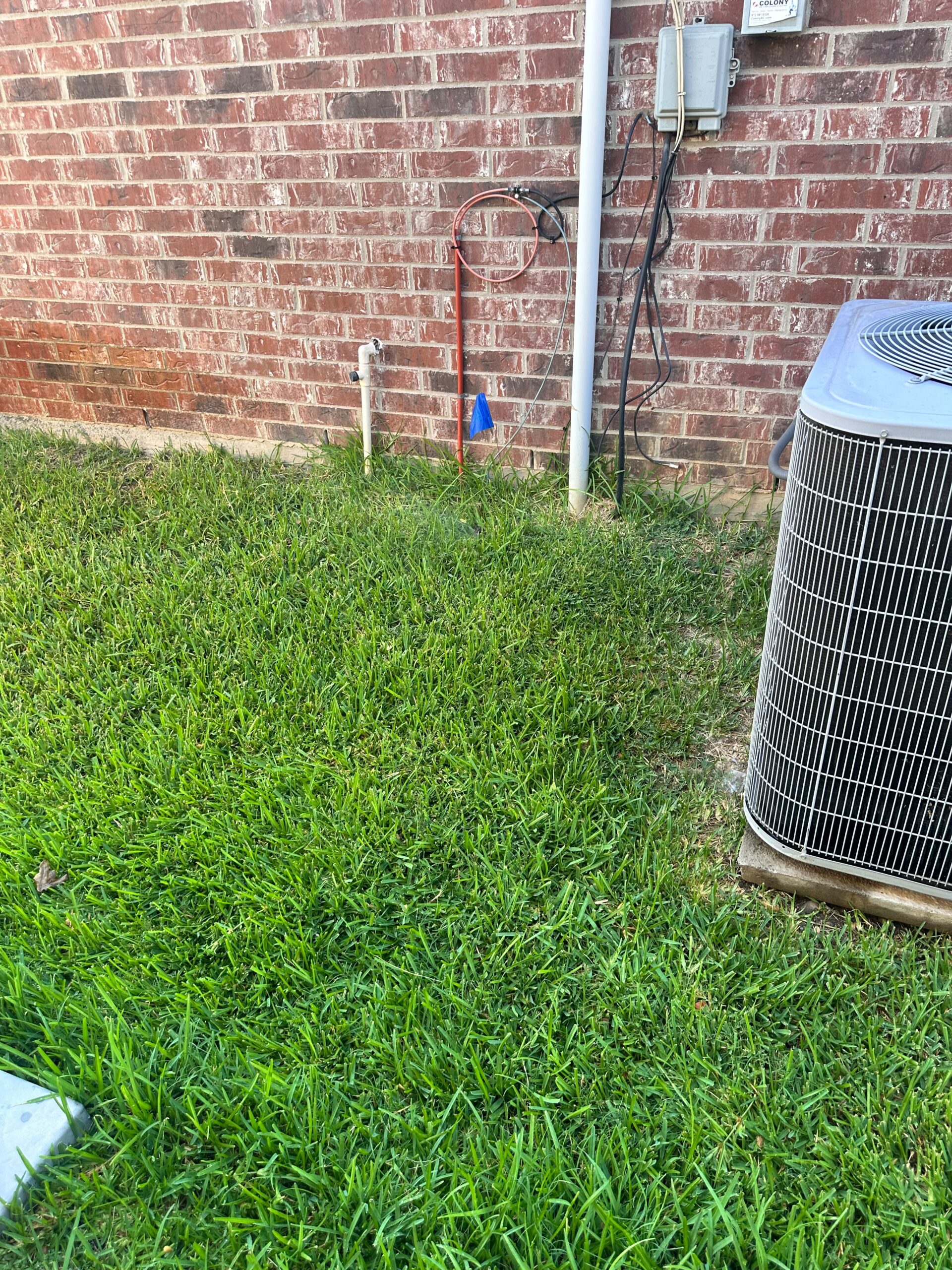
Walk the yard while each zone runs a full cycle. Look for heads that aren’t popping up, weak or uneven spray, or sections of the zone that stay dry.
2. Compare Zones to Each Other
If one zone consistently looks less saturated than others after the same run time, that’s a sign something in that zone isn’t performing the same as the rest of the system.
3. Check for Clogged or Damaged Nozzles
A nozzle that’s partially blocked by debris can reduce output significantly without stopping the head entirely, which makes the problem easy to miss during a quick glance.
4. Test the Valve for That Zone
If a zone seems to underperform across every head, the issue may be at the valve rather than any individual sprinkler head. A valve that isn’t opening fully restricts water to the entire zone.
5. Only Adjust the Schedule Once Every Zone Checks Out
After confirming each zone is delivering water evenly, any reduction in run time or watering days will apply fairly across the whole system rather than worsening an existing problem in one area.
6. Recheck the Repaired Zone After the Next Cycle
Once a repair is made, watch that zone through at least one more full cycle before finalizing any schedule changes. This confirms the fix actually resolved the issue rather than just masking it temporarily.
Common Mistakes Homeowners Make
- Cutting back watering to save money without checking for existing problems first. This often creates a dry patch where a zone was already underperforming.
- Assuming a lawn that looks fine overall means every zone is healthy. A large lawn can mask a single struggling zone, especially if the rest of the yard is being adequately watered.
- Fixing the broken component but never revisiting the schedule afterward. Repairs restore proper function, but the original schedule may still need adjusting once the zone is working correctly again.
- Ignoring small performance differences between zones. A zone that looks slightly less green than the rest of the lawn is often an early sign worth investigating before making broader schedule changes.
- Assuming a repair is complete without confirming it. A head replacement or valve adjustment can look correct on the surface but still underperform slightly, which is why checking the zone again after the fix matters.
Local Considerations for Parker, TX
A few conditions specific to this area affect how a broken zone in Parker TX shows up and how much reducing watering can compound the issue.
- Clay soil absorbs water unevenly when a zone isn’t performing correctly, which can make dry patches appear more suddenly once a schedule reduction is layered on top.
- Water restrictions limit the number of watering days available, which makes it more important that every scheduled cycle is fully effective rather than partially compromised by a broken component.
- Large, established lots, common throughout Parker, often have more zones per property, increasing the odds that one specific zone develops an issue while the rest of the system continues running normally.
- Summer heat accelerates how quickly an underwater area shows visible stress, meaning a broken zone combined with a reduced schedule can produce noticeable damage faster than it would in cooler months.
- Mature landscaping in many neighborhoods means tree roots and established shrubs can shift buried lines over time, which is a common cause of a zone gradually losing coverage without an obvious single point of failure.
The Irrigation Association notes that proper system maintenance, including verifying that all zones and components are functioning correctly, is a foundational step before making any water-use adjustments. Similarly, TCEQ’s landscape irrigation guidance emphasizes that efficient watering starts with a system that’s working as intended, since a well-planned schedule can’t compensate for equipment that isn’t delivering water evenly.
Related Problems That Can Look Like a Schedule Issue
If a dry patch or uneven coverage appears after adjusting the schedule, a few other issues could actually be the underlying cause:
- Low water pressure, which can make an otherwise functional zone underperform once run times are shortened
- Valve issues, where a valve doesn’t fully open or close, affecting how much water reaches the zone
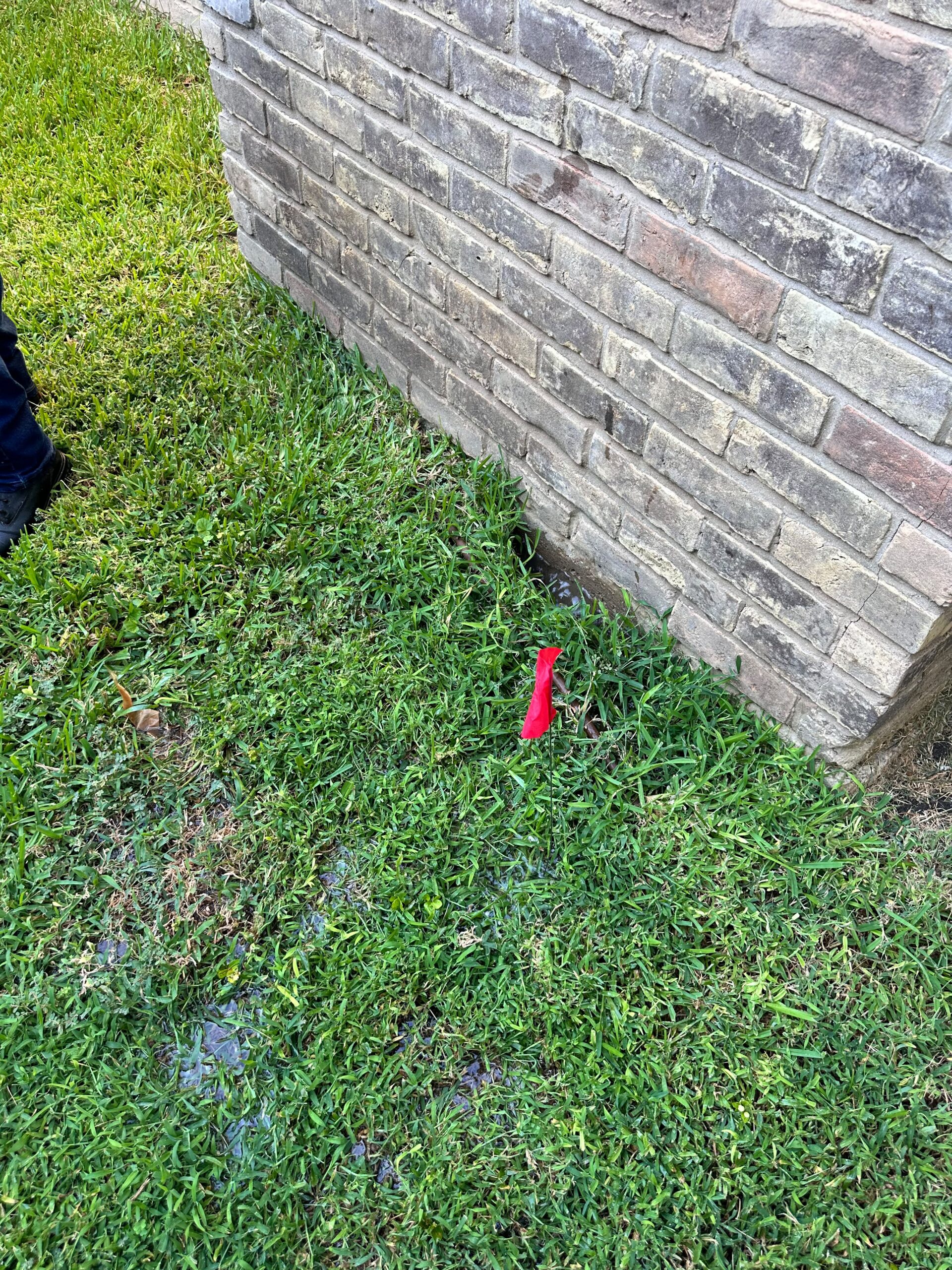
- Underground leaks, which reduce the pressure and volume available to the rest of the system
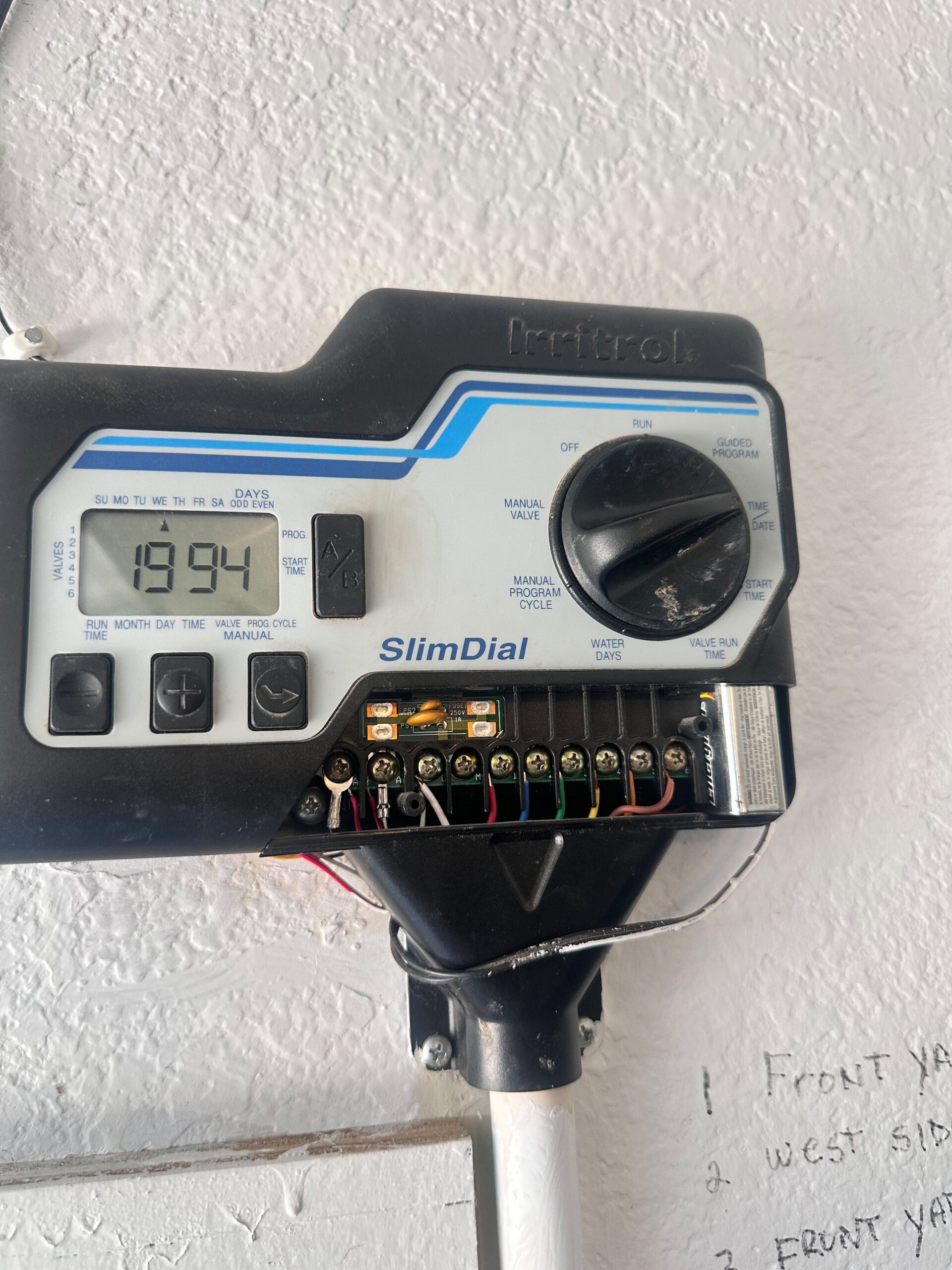
- Controller programming errors, where a specific zone was accidentally set to a shorter run time than the others
Ruling out a broken zone first is the fastest way to determine whether a dry patch is a scheduling issue or a mechanical one.
Frequently Asked Questions
- How can I tell if a zone is broken versus just needing a longer run time?
Compare it to other zones under the same conditions. If it consistently underperforms even at the same run time as a healthy zone, the issue is more likely mechanical than a scheduling gap.
- Will fixing a broken zone use more water in the short term?
It might, briefly, since a properly functioning zone will deliver more water than one that was underperforming. This is a normal part of restoring the system before making broader efficiency adjustments.
- Can I reduce watering on the rest of the yard while I wait to fix one zone?
Yes, adjusting zones that are already working correctly doesn’t need to wait on a repair to an unrelated zone, as long as each zone is evaluated individually.
- What’s the most common cause of one zone underperforming?
Clogged nozzles, partially closed valves, and heads that have shifted or sunk below the surrounding grade are among the most frequent causes seen across residential systems.
- Should I get a full evaluation, or just fix the one broken zone I noticed?
If you’ve noticed one issue, it’s worth checking the other zones as well, since a full evaluation often catches smaller problems that haven’t become as obvious yet.
Bottom Line
Fixing a broken zone in Parker TX before reducing your watering schedule prevents a partial equipment problem from turning into a visible dry patch. Repairing what’s broken first gives every zone a fair baseline, so any schedule changes made afterward reflect the lawn’s actual needs rather than compensating for a component that isn’t working.
Next Step
If you’ve noticed a zone that seems weaker than the rest of your system, a licensed sprinkler company can identify whether the issue is a head, valve, or pressure problem and get it repaired before any schedule changes are made. This is especially useful for larger properties with several zones, where one underperforming area can be easy to overlook.
Related Resources
- How Do You Update a Controller for Fall in Oak Point, TX?
- Is My Sprinkler System Running Too Long in Lucas, TX?
- Can a Sprinkler System Evaluation Help Reduce Water Waste?
- Can a Small Sprinkler Leak Increase My Water Bill?
- How Can I Stop Sprinkler Overspray in Frisco, TX?
Conclusion
A broken zone in Parker TX should always be repaired before you cut back on watering, since a schedule reduction only works fairly once every zone is delivering water the way it’s supposed to. If you suspect a zone isn’t performing correctly, a licensed sprinkler company can pinpoint the cause and fix it before any schedule changes are made.