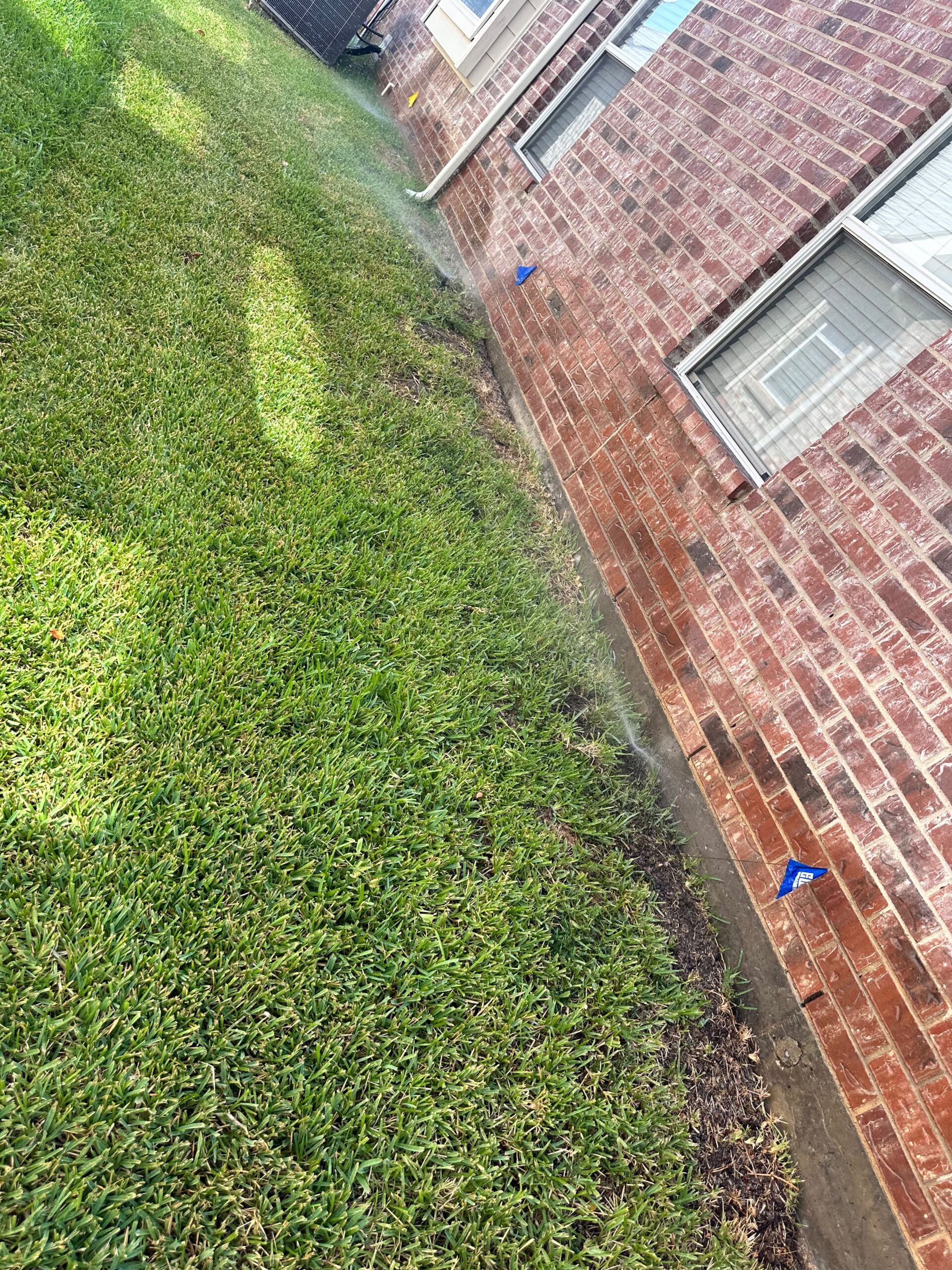
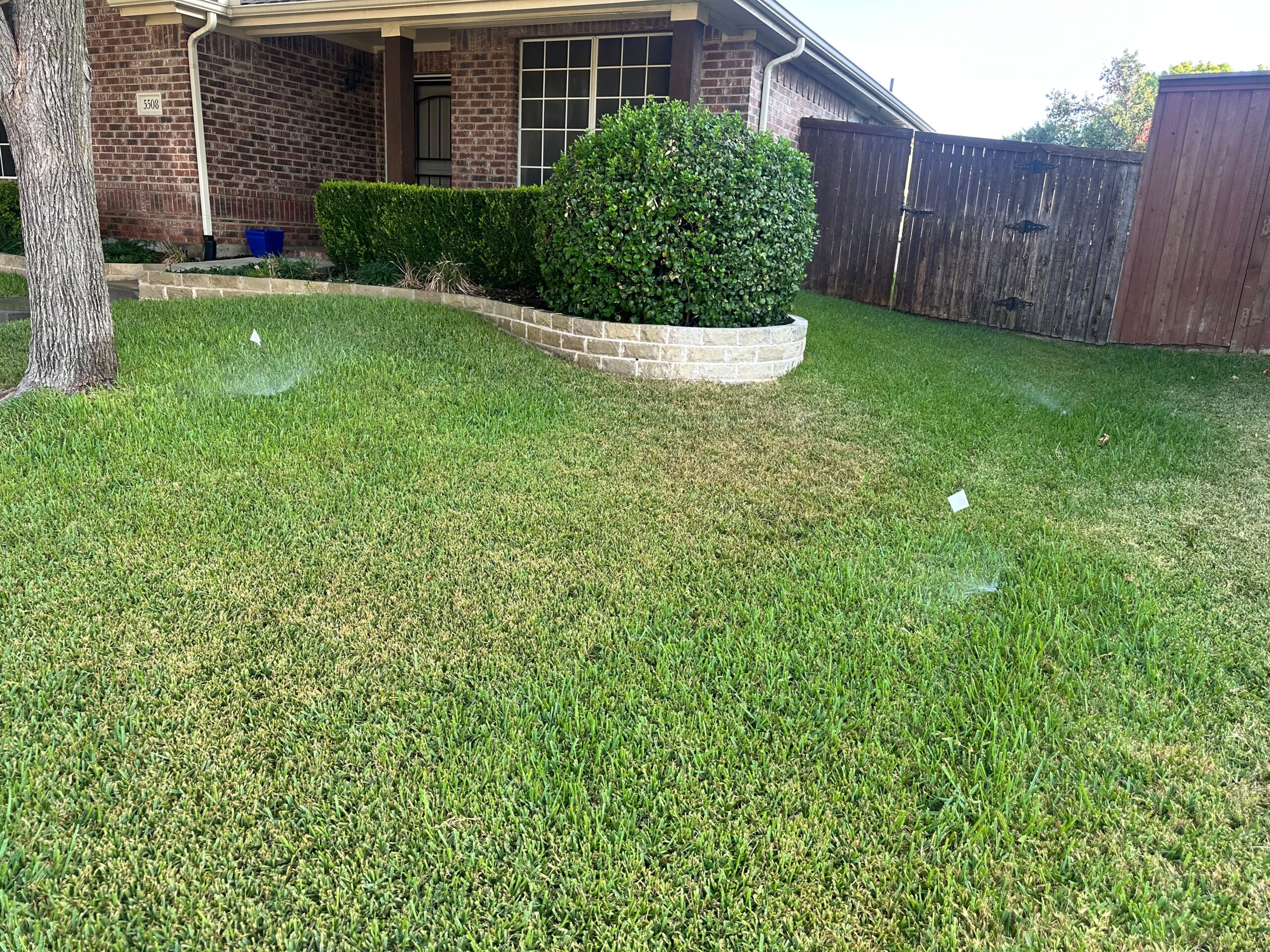
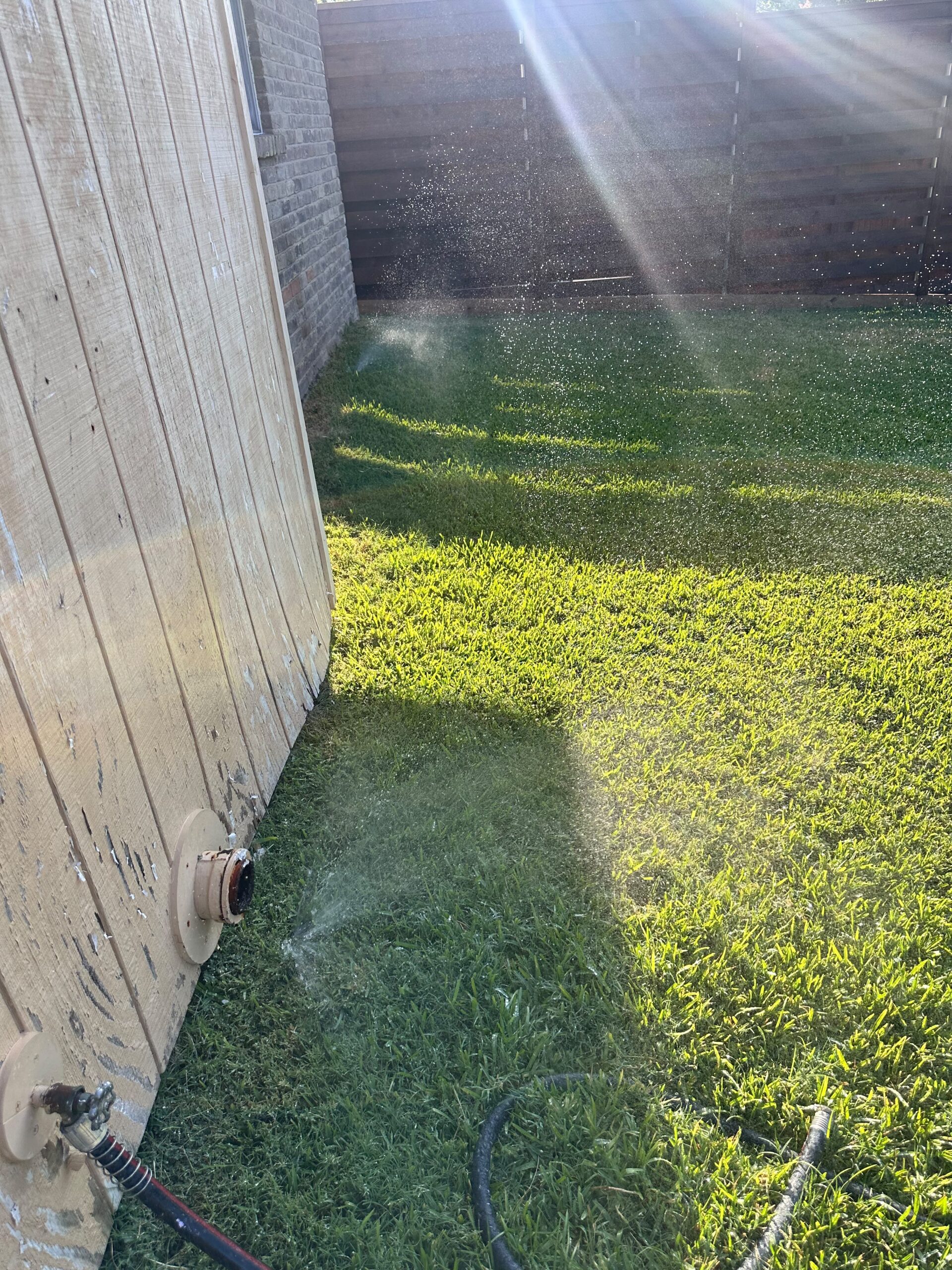
A sprinkler system in Anna TX that refuses to turn on can quickly become a concern, especially during the warmer months when lawns and landscapes depend on consistent irrigation. Whether nothing happens when the controller starts a watering cycle or every zone remains inactive, several components could be responsible. Identifying the root cause early helps prevent unnecessary lawn stress, avoids wasted time replacing working parts, and restores proper irrigation before plants begin showing signs of drought.
A modern irrigation system relies on electrical components, water pressure, valves, controllers, sensors, and underground piping working together. If one of these essential parts fails, the entire system may appear completely unresponsive. Fortunately, many problems have identifiable symptoms that make diagnosis easier.
Start With The Irrigation Controller
The irrigation controller acts as the brain of the entire system. If it fails to send signals to the valves, no watering zones will activate.
Before assuming a major repair is necessary, inspect the controller for obvious issues such as:
- Blank display
- Incorrect date or time
- Programming errors
- Disabled watering schedules
- Seasonal shutdown mode
- Power interruption
Sometimes electrical outages or recent storms reset controller settings without homeowners realizing it. Confirm that the controller still contains the intended watering schedule before moving to more complicated troubleshooting.
The EPA WaterSense program recommends maintaining irrigation controllers properly because accurate scheduling improves both watering efficiency and overall landscape health.
Verify That Power Is Reaching The Sprinkler System in Anna TX
If the controller appears completely dead, the issue may simply be a loss of electrical power.
Check for:
- Tripped circuit breakers
- GFCI outlets needing reset
- Damaged transformers
- Loose wiring
- Power outages
Many irrigation controllers operate on low-voltage transformers plugged into nearby outlets. A disconnected transformer or failed outlet can prevent the entire irrigation system from operating.
Avoid opening electrical panels unless you understand electrical safety procedures. When wiring damage is suspected, further inspection may be appropriate.
Make Sure The Main Water Supply Is Open
Even if the controller functions normally, water cannot reach the sprinkler heads if the irrigation shutoff valve remains closed.
Homeowners occasionally close irrigation water supplies during:
- Winter preparation
- Plumbing repairs
- Leak repairs
- Landscape renovations
If someone recently performed maintenance around the home, verify that the irrigation isolation valve has been fully reopened.
Partially opened valves may also reduce water pressure enough to prevent zones from operating correctly.
Inspect The Backflow Prevention Assembly
Every irrigation system includes a backflow prevention device designed to protect drinking water from contamination.
Sometimes:
- Isolation valves remain closed
- Freeze damage occurs
- Internal components malfunction
- Leaks develop around the assembly
Visible water leaking near the backflow device often indicates damage that affects system operation.
The Irrigation Association provides educational information about irrigation system components and proper maintenance practices that help keep systems operating safely.
Look For Controller Error Messages
Many newer smart irrigation controllers display diagnostic information when problems occur.
Common alerts include:
- Sensor active
- Valve fault
- Short circuit
- No AC power
- Master valve error
- Communication failure
These messages provide valuable clues before digging through the yard or replacing expensive parts unnecessarily.
Consulting the manufacturer’s manual often explains what each alert means and what inspections should follow.
Check Whether A Rain Sensor Is Preventing Operation
Rain sensors are designed to pause irrigation after rainfall.
Occasionally, the sensor may:
- Become damaged
- Remain stuck
- Develop wiring problems
- Stay activated after heavy rain
If the controller indicates an active rain sensor despite several dry days, the sensor may require inspection or replacement.
Temporary testing by bypassing the sensor—following manufacturer instructions—can help determine whether the sensor is preventing irrigation.
Inspect The Master Valve
Many irrigation systems include a master valve that opens whenever a watering cycle begins.
If this valve fails:
- Every zone remains inactive
- The controller appears normal
- Solenoid clicks may be absent
- Water never reaches individual valves
Because every irrigation zone depends on the master valve, a single malfunction can make the entire system appear completely inoperative.
Examine Valve Wiring
Underground irrigation valves communicate with the controller through low-voltage wiring.
Common wiring problems include:
- Rodent damage
- Corrosion
- Broken wire connections
- Cut landscape wires
- Loose waterproof connectors
Electrical continuity testing often identifies damaged wiring that cannot be seen from the surface.
Since most valve wiring remains buried, accidental damage sometimes occurs during fence installation, tree planting, or landscape improvements.
Low Voltage Can Prevent Valve Operation
Even when the controller turns on normally, insufficient voltage may prevent valves from opening.
Possible causes include:
- Failing transformer
- Shorted wiring
- Damper electrical connections
- Faulty controller terminals
Using a multimeter allows technicians to confirm whether proper voltage reaches each valve during operation.
Electrical testing provides more reliable answers than simply replacing parts based on guesswork.
Underground Valve Problems
Irrigation valves themselves eventually wear out after years of repeated operation.
Internal issues may include:
- Torn diaphragms
- Debris inside the valve
- Worn springs
- Solenoid failure
- Mineral buildup
If every electrical component tests normally but water still fails to flow, valve inspection becomes an important next step.
The Texas A&M AgriLife Extension offers practical resources on landscape irrigation, water conservation, and maintaining healthy lawns throughout changing Texas weather conditions.
Water Pressure Issues
Adequate water pressure is essential for every irrigation system.
Several plumbing-related problems may reduce pressure enough to prevent operation:
- Municipal water interruptions
- Main line leaks
- Pressure regulator failure
- Closed isolation valves
- Major plumbing repairs
If indoor plumbing also experiences unusually low pressure, the issue may extend beyond the irrigation system itself.
Underground Leaks May Prevent Startup
A significant underground leak sometimes causes the irrigation system to lose pressure before sprinkler heads can extend.
Warning signs include:
- Constant wet areas
- Muddy spots
- Sinkholes
- Unusually high water bills
- Water pooling around valve boxes
Ignoring underground leaks often allows damage to worsen while increasing monthly utility expenses.
Frozen Or Weather-Related Damage
Although freezing weather is less common in North Texas than in colder climates, winter storms occasionally cause irrigation damage.
Possible cold-weather problems include:
- Cracked pipes
- Broken valves
- Damaged backflow devices
- Split fittings
Damage may remain unnoticed until the next irrigation season when homeowners attempt to restart the system.
A complete spring inspection often identifies hidden winter damage before larger repairs become necessary.
Could Multiple Zone Valves Fail At Once?
While uncommon, multiple valve failures can occur if:
- Debris enters the irrigation line
- Electrical surges damage solenoids
- Aging components fail together
- Severe freeze damage affects several valves
Rather than replacing every valve immediately, systematic testing helps isolate the actual source of the problem.
Smart Controllers May Require Software Updates
Modern irrigation controllers increasingly rely on software, Wi-Fi connectivity, and weather-based scheduling.
Occasionally, issues arise from:
- Lost internet connection
- Firmware problems
- Incorrect app settings
- Communication interruptions
Updating software and reconnecting wireless settings sometimes restores normal operation without mechanical repairs.
The USDA Natural Resources Conservation Service highlights efficient water management practices that support healthy landscapes while conserving valuable water resources.
Seasonal Maintenance Helps Prevent Unexpected Failures
Many irrigation problems that prevent a sprinkler system from turning on often begin developing long before noticeable symptoms appear. Routine inspections allow homeowners to identify aging electrical connections, worn valves, controller programming errors, pressure irregularities, minor leaks, and clogged components before they become major issues. Detecting these problems early helps reduce the risk of unexpected system failures during the peak watering season when reliable irrigation is most important.
Regular maintenance also improves overall system performance by ensuring each component operates as intended and water is distributed evenly across the landscape. In addition to preventing costly repairs, preventive care can extend the lifespan of irrigation equipment, improve water efficiency, and help maintain a healthier lawn and landscape throughout the changing seasons.
When Should Homeowners Call A Professional?
Some basic inspections—such as checking power supplies, controller settings, or shutoff valves—can often be performed safely by homeowners.
However, professional diagnosis may be beneficial when:
- Every zone fails simultaneously.
- Electrical testing is required.
- Underground wiring is suspected.
- Water pressure remains unusually low.
- Valve locations cannot be identified.
- Underground leaks are likely.
- Multiple system components appear affected.
Professional diagnostic equipment allows irrigation specialists to isolate problems more efficiently while reducing unnecessary part replacement.
Protect Your Landscape Investment
Your irrigation system plays a major role in maintaining healthy grass, flower beds, shrubs, and trees. When it suddenly refuses to turn on, delaying repairs can quickly lead to dry patches, stressed plants, and expensive landscape recovery.
Understanding the possible causes—from controller issues and electrical faults to water supply interruptions and underground valve problems—helps homeowners make informed decisions and restore irrigation performance more quickly. Regular inspections and preventive maintenance remain the best defense against unexpected breakdowns and help ensure reliable watering throughout the growing season.
Conclusion
If your sprinkler system in Anna TX will not turn on at all, addressing the issue promptly can help prevent unnecessary landscape damage and avoid more costly repairs later. A thorough inspection of the controller, power supply, valves, wiring, and water source can often identify the underlying cause and restore reliable operation. If you need experienced assistance with diagnosing or repairing your irrigation system, contact Whale Done Sprinklers & Irrigation. Call +1 (469) 384-7767 or email clientsupport@callwhaledone.com to schedule professional service and keep your sprinkler system in Anna TX operating efficiently.