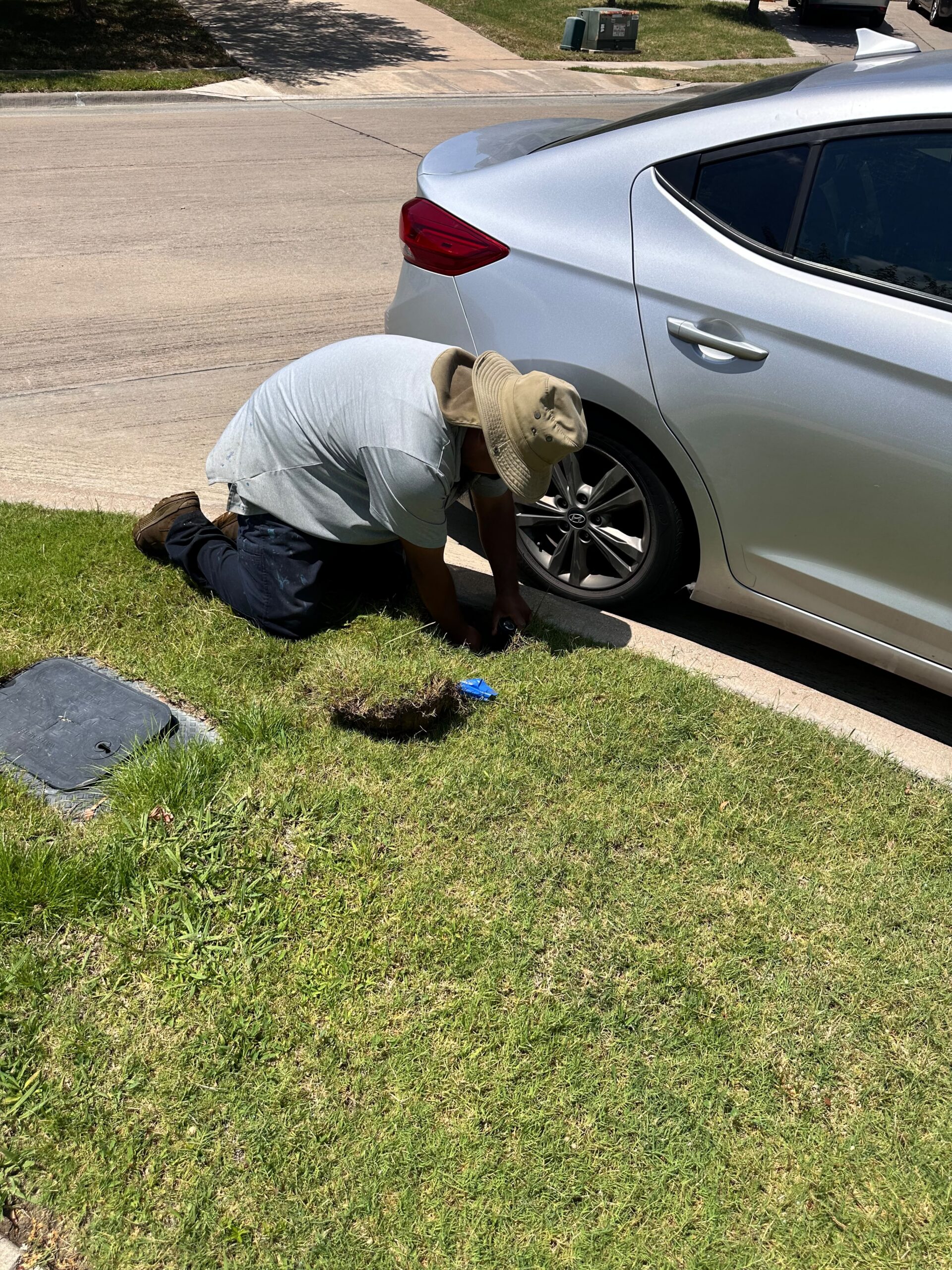
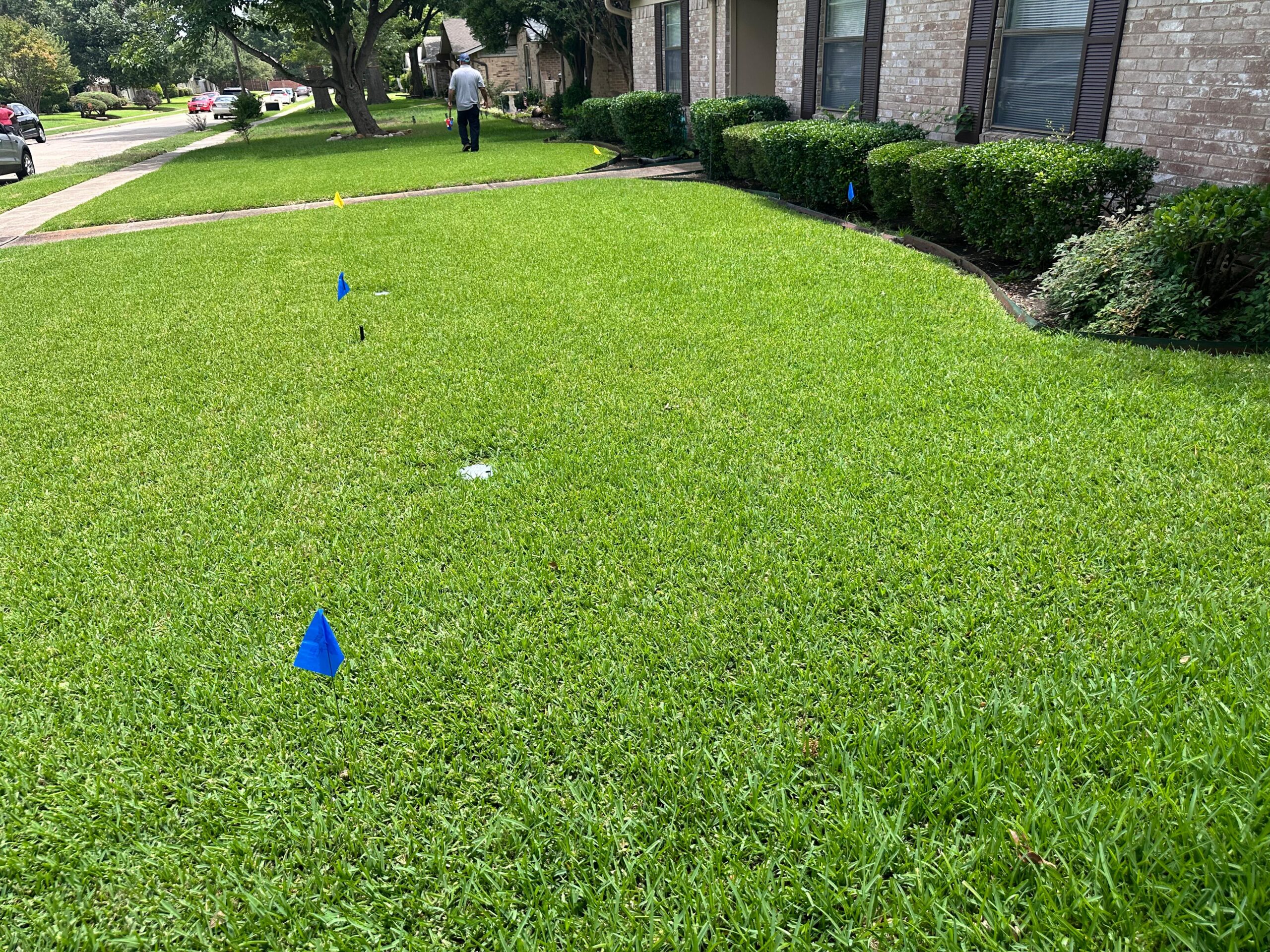
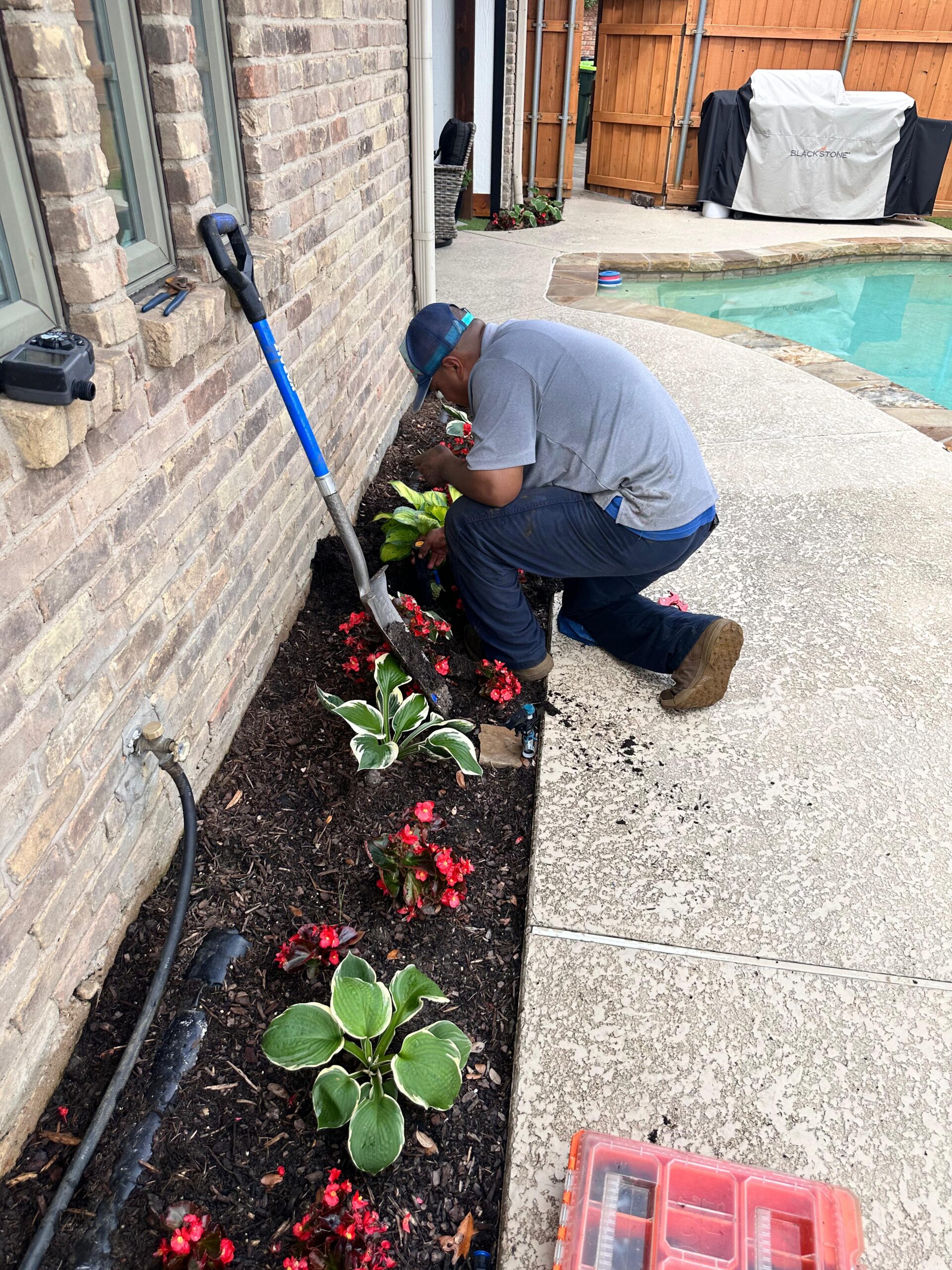
Sprinkler maintenance in Oak Point TX is one of the most effective ways homeowners can protect their landscapes, reduce unnecessary water waste, and maintain a vibrant lawn throughout the changing seasons. While many irrigation systems appear to function properly from the surface, hidden issues such as clogged nozzles, pressure imbalances, leaking valves, or damaged sprinkler heads can gradually impact the health of your grass and plants without obvious warning signs.
Oak Point’s warm summers, occasional drought conditions, clay-heavy soil, and seasonal rainfall patterns all place unique demands on irrigation systems. A sprinkler system that worked perfectly several months ago may no longer provide even coverage due to weather, normal wear, or underground movement. Preventative maintenance helps identify these small problems before they become expensive repairs or lead to landscape damage.
Instead of waiting until brown patches appear or your water bill unexpectedly rises, proactive maintenance ensures your irrigation system continues operating efficiently while delivering the right amount of water where it’s needed most.
Why Preventative Sprinkler Maintenance in Oak Point TX Matters
Many homeowners only think about their irrigation system when something stops working. Unfortunately, by the time visible symptoms appear, the underlying issue may have existed for weeks or even months.
Routine maintenance focuses on identifying minor concerns before they escalate into larger repairs. This proactive approach offers several advantages:
- Better watering efficiency
- Reduced water waste
- Longer equipment lifespan
- Improved lawn appearance
- Lower repair costs
- More consistent irrigation coverage
Preventative care also helps your irrigation system adapt to seasonal changes rather than operating on outdated settings throughout the year.
Oak Point’s Climate Creates Unique Irrigation Challenges
Every region has different irrigation needs, and Oak Point is no exception.
Several environmental factors affect sprinkler performance:
Hot Texas Summers
High temperatures increase evaporation, meaning irrigation timing becomes extremely important.
Clay Soil
Much of North Texas contains clay soil, which absorbs water slowly but retains moisture longer. Applying too much water too quickly often leads to runoff instead of proper absorption.
Seasonal Rainfall
Rainfall can vary significantly throughout the year. Without adjusting irrigation schedules, lawns may receive excessive watering after storms or insufficient watering during dry periods.
Soil Movement
Texas soils naturally expand and contract with changing moisture levels. Over time, this movement can shift sprinkler heads, alter pipe alignment, or affect spray patterns.
Preventative maintenance accounts for these local conditions to maximize irrigation efficiency.
Small Problems Often Lead to Bigger Expenses
One of the biggest misconceptions about sprinkler systems is that visible operation means proper operation.
For example, sprinkler heads may pop up and spray water, but they may still suffer from:
- Partial blockages
- Uneven pressure
- Incorrect spray angles
- Worn nozzles
- Damaged seals
These seemingly minor issues gradually reduce irrigation performance.
Over time, this can result in:
- Dry grass
- Overwatered flower beds
- Soil erosion
- Increased water bills
- Landscape replacement costs
Routine inspections help prevent these costly outcomes.
Components That Should Be Checked Regularly
A complete maintenance visit examines every major part of the irrigation system rather than focusing on one visible problem.
Important components include:
Sprinkler Heads
Technicians inspect for:
- Cracks
- Clogs
- Leaning heads
- Broken risers
- Poor spray patterns
Proper head alignment ensures even water distribution across the landscape.
Valves
Control valves regulate water flow throughout different irrigation zones.
Maintenance includes checking for:
- Leaks
- Sticking valves
- Electrical operation
- Proper opening and closing
Faulty valves often cause continuous watering or zones that fail to activate.
Pipes
Underground pipes experience pressure changes, soil movement, and natural aging.
Routine inspections help identify:
- Hidden leaks
- Pressure loss
- Root intrusion
- Damaged fittings
Finding these issues early reduces the risk of extensive excavation later.
Controller
Modern irrigation controllers should be adjusted throughout the year.
Maintenance includes:
- Reviewing watering schedules
- Seasonal programming
- Backup battery inspection
- Timer accuracy
Updated settings help avoid unnecessary watering.
Proper Water Pressure Protects Your Entire Irrigation System
Water pressure plays a critical role in the performance and longevity of every component within a sprinkler system. When pressure is too high, it can damage sprinkler heads, create excessive misting that evaporates before reaching the soil, waste significant amounts of water, and cause unnecessary wear on system components. On the other hand, pressure that is too low can reduce spray distance, leave sections of the lawn dry, and result in uneven watering across the landscape. These issues can affect the health and appearance of your lawn over time. Routine sprinkler maintenance includes checking water pressure to ensure it stays within the manufacturer’s recommended range for efficient and reliable operation.
Seasonal Adjustments Improve Irrigation Efficiency
Many irrigation systems continue using the same schedule year-round.
However, watering needs change with:
- Temperature
- Rainfall
- Humidity
- Wind
- Plant growth
Adjusting irrigation schedules throughout the year helps maintain healthy landscapes while reducing unnecessary water consumption.
The EPA WaterSense program recommends efficient irrigation practices that improve outdoor water conservation.
Preventing Water Waste Saves More Than Money
Water conservation benefits both homeowners and the surrounding community by reducing unnecessary water use and promoting healthier landscapes. Common irrigation problems such as overspray onto sidewalks, broken sprinkler heads, incorrect watering schedules, leaking valves, and poorly selected nozzles can waste significant amounts of water without homeowners realizing it.
Over time, even a small leak can result in hundreds or thousands of gallons of water being lost, leading to higher utility bills and reduced irrigation efficiency. Preventative sprinkler maintenance helps identify and correct these issues early, ensuring water is distributed evenly across your lawn while minimizing waste. This proactive approach improves overall system performance, supports responsible water conservation, and helps maintain a lush, healthy landscape year-round.
Healthy Lawns Begin With Even Water Distribution
Grass grows best when every section receives consistent moisture.
Uneven watering often causes:
- Brown patches
- Thin turf
- Fungus development
- Weed growth
- Soil compaction
Maintenance technicians evaluate coverage across every irrigation zone to ensure overlapping spray patterns provide uniform watering.
Balanced coverage creates healthier root systems and stronger turf.
Smart Irrigation Technology Supports Preventative Maintenance
Today’s irrigation systems offer features that improve watering accuracy.
Examples include:
- Weather-based scheduling
- Rain sensors
- Soil moisture sensors
- Smart controllers
- Remote monitoring
These technologies automatically adjust watering schedules based on environmental conditions.
The Irrigation Association provides valuable information about modern irrigation technologies and efficient system management.
Preventative maintenance ensures these advanced features continue operating correctly.
Maintenance Helps Protect Landscape Investments
Landscaping represents a significant investment for many homeowners.
Trees, shrubs, flower beds, sod, and decorative plants all depend on proper irrigation.
Without regular maintenance, irrigation problems may gradually damage expensive landscaping before homeowners recognize the issue.
Routine inspections help preserve:
- Newly installed sod
- Mature trees
- Flower gardens
- Decorative shrubs
- Vegetable gardens
Healthy irrigation supports healthy landscapes.
Signs Your Irrigation System Needs Immediate Attention
While preventative maintenance reduces unexpected issues, homeowners should still watch for warning signs between service visits.
Common indicators include:
- Pools of water
- Soft or muddy ground
- Weak sprinkler spray
- High water bills
- Missing sprinkler heads
- Dry lawn sections
- Constantly running zones
- Water spraying onto sidewalks
Prompt attention prevents these symptoms from developing into larger repairs.
Why Sprinkler Heads Require Regular Cleaning
Over time, sprinkler heads naturally collect dirt, sand, grass clippings, mineral deposits, and other debris that can restrict water flow and disrupt spray patterns. These obstructions often lead to uneven water distribution, reduced pressure consistency, and inefficient irrigation coverage. As part of routine sprinkler maintenance, each sprinkler head should be inspected and cleaned to restore proper water accuracy, maintain consistent performance, and improve overall system efficiency before minor buildup develops into more significant irrigation problems.
Preventative Maintenance Extends Equipment Lifespan
Every irrigation component experiences gradual wear.
Without maintenance, minor wear accelerates into complete failure.
Routine inspections help extend the lifespan of:
- Controllers
- Solenoids
- Valves
- Pipes
- Backflow devices
- Sprinkler heads
- Wiring
Replacing inexpensive worn parts early often prevents larger repair bills later.
The Importance of Backflow Device Inspections
Backflow prevention devices help protect drinking water by preventing contaminated irrigation water from flowing back into household plumbing.
Routine inspections verify that these devices continue functioning properly.
The Texas A&M AgriLife Extension offers educational resources regarding landscape management, irrigation efficiency, and water conservation practices suitable for Texas homeowners.
Professional Maintenance Includes Complete System Testing
Rather than checking one visible issue, comprehensive preventative maintenance evaluates the entire irrigation system.
Typical inspections include:
- Running every irrigation zone
- Checking spray coverage
- Measuring pressure
- Inspecting valves
- Testing controllers
- Looking for underground leaks
- Evaluating drainage
- Adjusting sprinkler heads
This thorough approach identifies developing problems before they affect landscape health.
Irrigation Maintenance Helps Reduce Utility Costs
One overlooked benefit of preventative maintenance is lower monthly water expenses.
Efficient systems:
- Deliver water precisely
- Reduce runoff
- Minimize evaporation
- Prevent hidden leaks
- Avoid unnecessary watering
Over an entire irrigation season, these improvements may significantly reduce outdoor water consumption.
Helpful homeowner irrigation tips can also be found through Family Handyman, which shares practical landscape maintenance advice.
Simple Homeowner Practices Between Professional Visits
Although professional maintenance is essential, homeowners can also perform basic observations throughout the year.
These include:
- Watching each irrigation zone monthly
- Looking for tilted sprinkler heads
- Checking for puddles
- Removing visible debris
- Monitoring water bills
- Adjusting watering after heavy rainfall
These simple habits help identify developing issues earlier.
Why Preventative Maintenance Is More Affordable Than Emergency Repairs
Emergency irrigation repairs often involve:
- Extensive digging
- Landscape restoration
- Pipe replacement
- Valve replacement
- Water damage repair
Many of these situations begin with small issues that routine maintenance could have identified much earlier.
Preventative service minimizes the likelihood of sudden breakdowns while protecting both your irrigation system and landscape investment.
Conclusion
Choosing sprinkler maintenance in Oak Point TX is one of the smartest ways to protect your lawn, conserve water, and extend the life of your irrigation system. Regular preventative maintenance helps identify small issues before they become costly repairs, ensuring your sprinkler system operates efficiently throughout every season. Whether you’re looking to improve watering performance, reduce utility costs, or maintain a healthier landscape, proactive care delivers lasting value.
For trusted irrigation services, contact Whale Done Sprinklers & Irrigation to schedule professional sprinkler maintenance. Call +1 (469) 384-7767 or email clientsupport@callwhaledone.com to keep your irrigation system performing at its best.