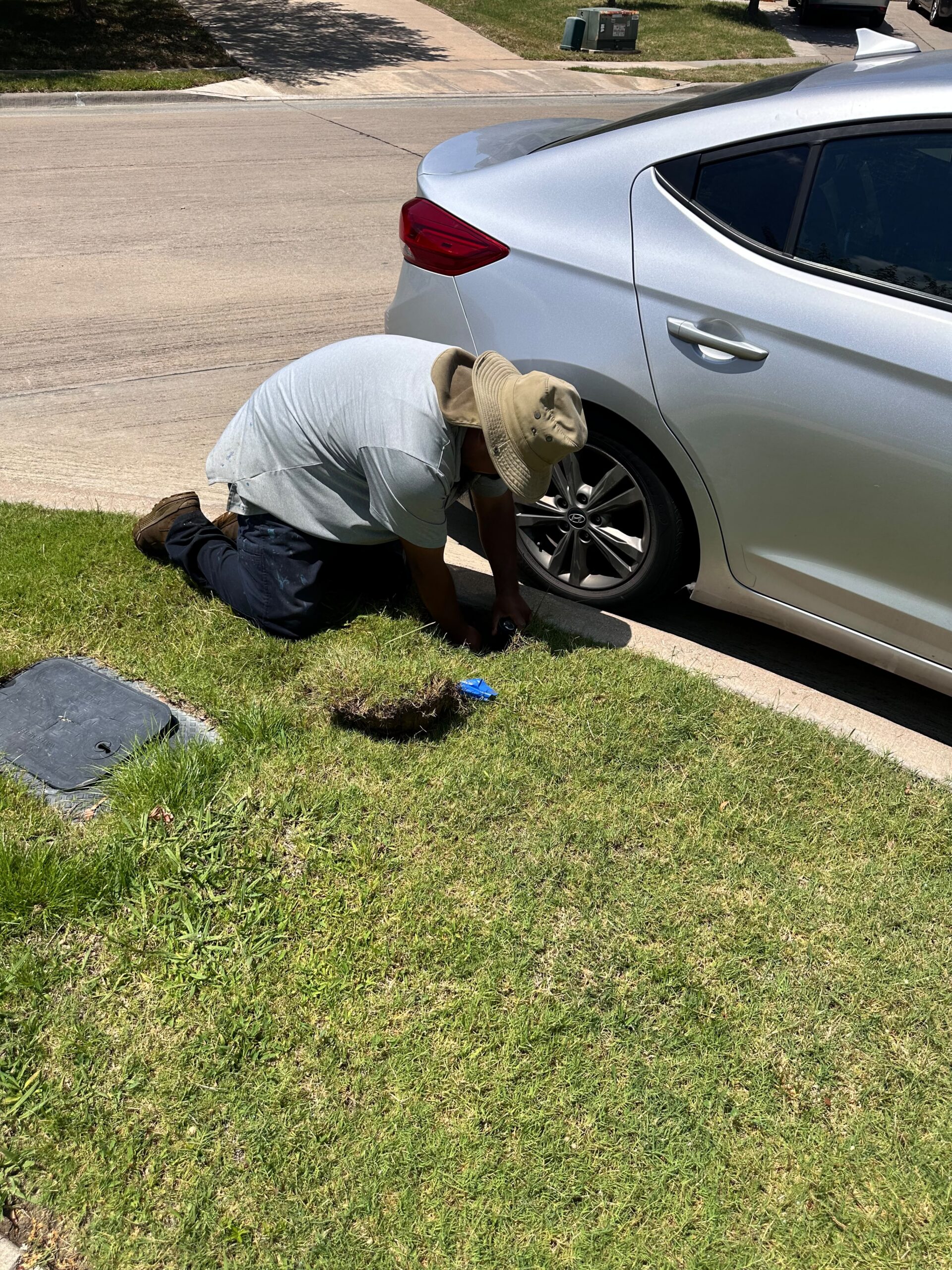
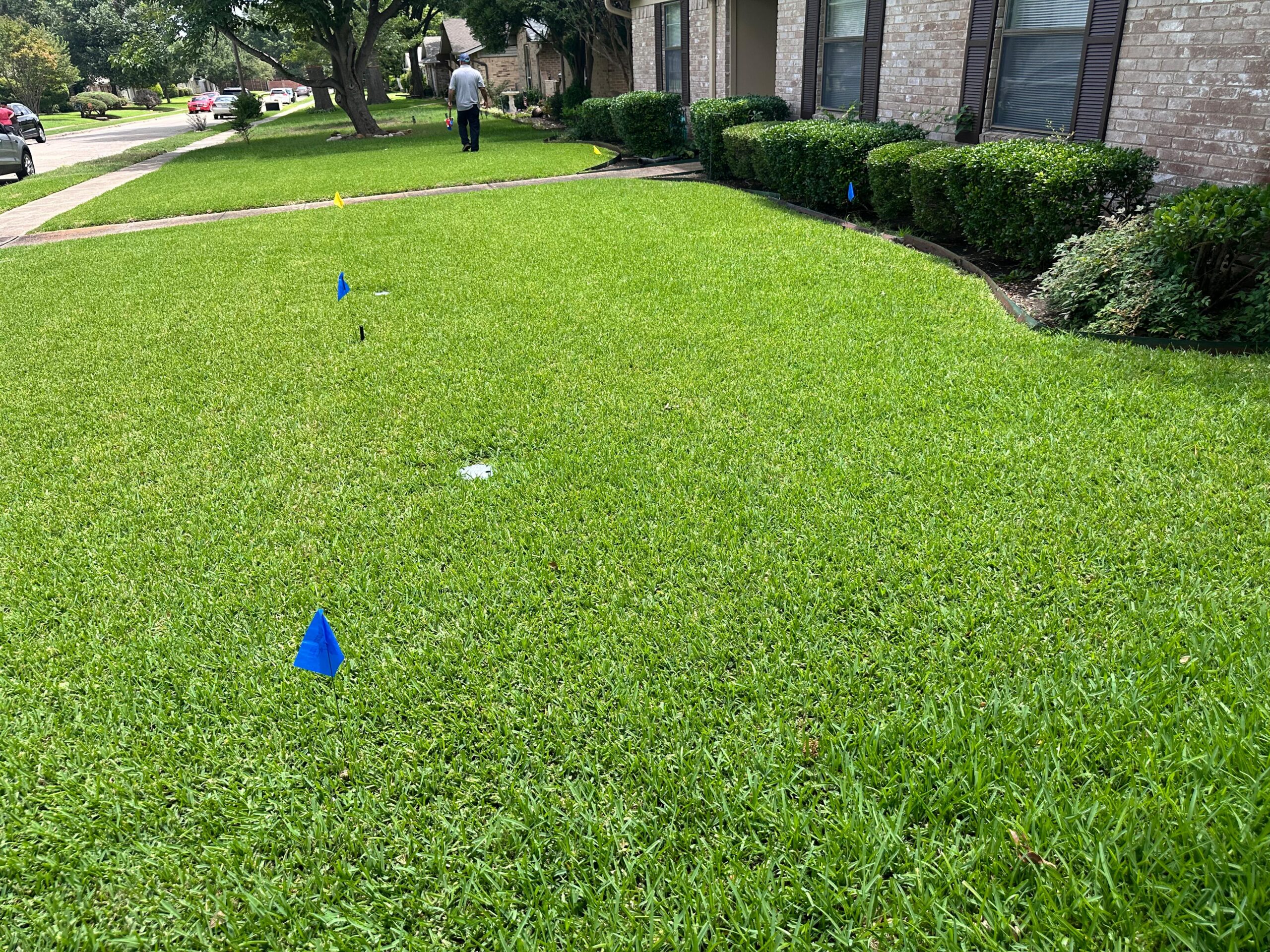
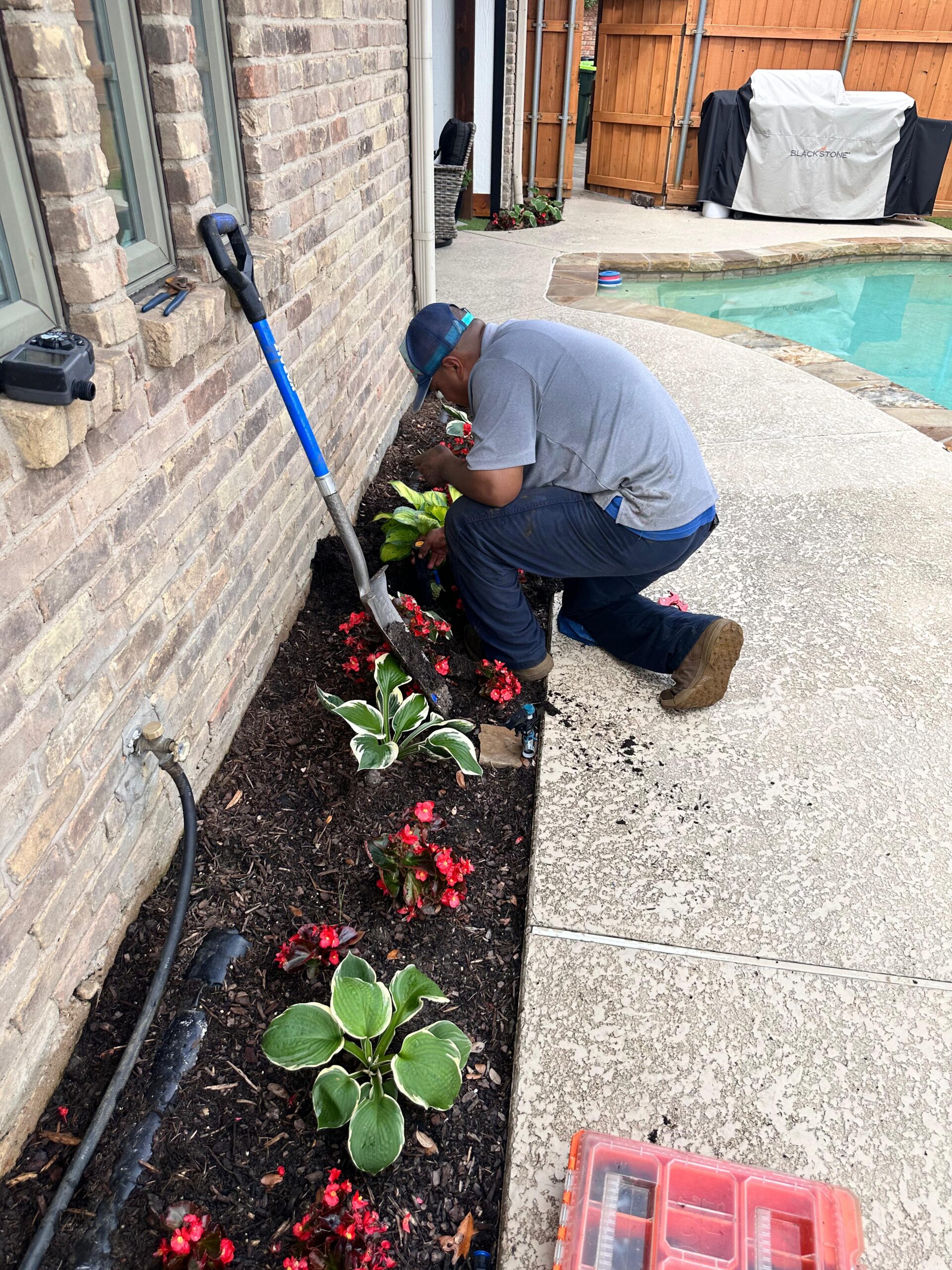
Low water pressure in Celina TX can quickly turn an efficient irrigation system into one that leaves dry patches, uneven watering, and stressed landscaping. If your sprinkler heads barely spray, certain zones fail to reach the intended coverage, or your lawn isn’t receiving enough moisture, low water pressure is often the underlying issue. While the problem may seem minor at first, ignoring it can increase water waste, damage irrigation components, and eventually lead to costly repairs.
For homeowners in Celina, maintaining consistent water pressure is especially important because seasonal weather changes, expanding neighborhoods, and varying municipal water demands can all influence irrigation performance. Understanding why your sprinklers have low pressure allows you to address problems early and keep your landscape healthy throughout the year.
Why Proper Water Pressure Matters
A sprinkler system is designed to operate within a recommended pressure range. Every sprinkler head, rotor, spray nozzle, and drip emitter depends on adequate pressure to distribute water evenly across your landscape.
When pressure drops below the manufacturer’s recommendations, several problems begin to appear:
- Uneven watering coverage
- Dry spots throughout the lawn
- Weak sprinkler spray patterns
- Reduced sprinkler head rotation
- Longer watering cycles
- Increased water waste
Even a well-designed irrigation system cannot perform properly without consistent pressure.
Common Signs Your Sprinkler System Has Low Pressure
Many homeowners notice symptoms before realizing water pressure is the actual problem.
Common warning signs include:
- Water barely spraying from sprinkler heads
- Rotors failing to rotate
- Water falling close to the sprinkler instead of reaching its intended distance
- Some zones performing well while others struggle
- Bubbling or sputtering sprinkler heads
- Areas of grass turning brown despite regular watering
These symptoms often develop gradually, making routine inspections especially valuable.
Common Causes of Low Water Pressure in Celina TX
Several factors can reduce irrigation pressure. Identifying the exact cause is the first step toward an effective repair.
Partially Closed Water Supply Valve
One of the simplest causes is a water supply valve that isn’t fully open.
After plumbing repairs, winterization, or maintenance work, someone may accidentally leave the main irrigation valve partially closed. Even a slight restriction can reduce pressure throughout the system.
Fortunately, this issue is usually easy to correct once identified.
Underground Pipe Leaks
Hidden leaks are among the most common causes of pressure loss.
When underground irrigation pipes crack or separate, water escapes before reaching the sprinkler heads. Instead of delivering water across your lawn, the system loses pressure beneath the soil.
Signs of underground leaks often include:
- Constant wet spots
- Muddy areas
- Unexpected increases in water bills
- Sinking soil
- Reduced pressure in multiple zones
Learning more about WaterSense recommendations can also help homeowners identify unnecessary water loss caused by inefficient irrigation.
Damaged Sprinkler Heads
Broken sprinkler heads may seem like isolated issues, but they can affect pressure throughout an irrigation zone.
Common damage includes:
- Cracked housings
- Missing nozzles
- Broken seals
- Impact damage from lawn equipment
- Worn internal components
A damaged head allows excess water to escape before reaching neighboring sprinklers.
Clogged Nozzles
Mineral deposits, dirt, sand, and debris gradually accumulate inside sprinkler nozzles.
Instead of producing a full spray pattern, clogged nozzles restrict water flow.
This often creates:
- Weak streams
- Uneven coverage
- Irregular spray patterns
- Limited watering distance
Cleaning or replacing clogged nozzles often restores normal operation.
Pressure Regulator Problems
Many irrigation systems include pressure regulators designed to maintain consistent operating pressure.
If the regulator becomes worn or fails internally, it may restrict water more than intended.
Symptoms often resemble:
- Weak pressure throughout every zone
- Reduced sprinkler coverage
- Inconsistent irrigation performance
Professional testing can determine whether the regulator requires adjustment or replacement.
Understanding Low Water Pressure in Celina TX
The causes of low water pressure in Celina TX are not always limited to the sprinkler system itself. External factors such as neighborhood infrastructure, seasonal water demand, and municipal supply variations can also influence irrigation performance.
Celina continues to experience rapid residential growth, increasing demand on local water systems during peak watering seasons. Combined with summer heat, this makes maintaining an efficient irrigation system even more important.
Homeowners who schedule regular inspections are often able to detect developing pressure issues before they become expensive repairs.
Municipal Water Demand Can Affect Irrigation
During periods of heavy water demand, the pressure supplied by municipal water systems may temporarily decrease, affecting the performance of residential sprinkler systems. This is especially common during early morning irrigation hours when many homeowners water their lawns simultaneously, as well as during extended dry periods, intense heat waves, or neighborhood-wide watering schedules.
Although these pressure fluctuations are often temporary, they can significantly impact irrigation systems that already operate near their minimum recommended pressure levels. Homeowners may notice weaker sprinkler spray, reduced coverage, uneven watering, or rotors that fail to operate correctly. Monitoring your system during peak watering times and adjusting irrigation schedules when possible can help minimize these issues while maintaining healthier, more consistent lawn irrigation throughout the growing season.
Understanding local watering recommendations alongside guidance from the Texas A&M AgriLife Extension can help homeowners irrigate more efficiently.
Incorrect Sprinkler Design
Not every irrigation system is properly designed.
Common design mistakes include:
- Too many sprinkler heads on one zone
- Mixing spray heads and rotors
- Incorrect pipe sizing
- Improper zoning
- Poor hydraulic calculations
When too many sprinklers operate simultaneously, available pressure becomes divided among every head.
This often results in weak performance across the entire zone.
Valve Problems
Control valves regulate water entering each irrigation zone.
As valves age, internal components may:
- Stick partially closed
- Develop debris buildup
- Experience diaphragm failure
- Leak internally
These issues reduce the volume of water flowing into the zone, creating noticeable pressure loss.
Valve inspections are often necessary when only one irrigation zone experiences low pressure.
Backflow Preventer Restrictions
Backflow prevention assemblies protect drinking water from contamination.
However, aging or damaged components inside the assembly may restrict water flow.
Mineral buildup, corrosion, or worn internal parts can gradually reduce irrigation pressure over time.
Routine testing helps ensure both safety and proper water flow.
Aging Irrigation Pipes
Older irrigation systems naturally experience wear.
Over time, underground pipes may develop:
- Mineral buildup
- Internal corrosion
- Small cracks
- Joint separation
- Root intrusion
These problems restrict water movement and contribute to pressure loss throughout the system.
Replacing damaged sections often restores proper performance.
Seasonal Weather Can Influence Water Pressure
Texas weather places unique demands on irrigation systems.
Seasonal factors include:
- Summer drought
- Soil movement
- Freezing temperatures
- Expanding clay soils
- Heavy rainfall
These conditions may shift underground piping or stress aging components, increasing the likelihood of pressure-related issues.
Routine inspections before peak watering season help identify developing concerns early.
Why One Zone May Have Low Pressure While Others Work Normally
Sometimes only one irrigation zone experiences poor pressure.
Possible causes include:
- Zone-specific pipe leak
- Faulty valve
- Clogged nozzles
- Damaged sprinkler heads
- Crushed underground pipe
Because each irrigation zone operates independently, isolated problems often indicate localized damage rather than system-wide pressure issues.
How Professionals Diagnose Low Pressure
Rather than replacing parts through trial and error, irrigation specialists perform systematic inspections.
A typical diagnosis may include:
- Measuring system pressure
- Inspecting supply valves
- Testing backflow assemblies
- Evaluating controller operation
- Examining sprinkler heads
- Inspecting valves
- Checking for underground leaks
- Reviewing irrigation zone performance
Accurate diagnosis prevents unnecessary repairs while identifying the true source of pressure loss.
Why Delaying Repairs Can Become Expensive
Many homeowners continue watering despite noticeable pressure problems.
Unfortunately, prolonged low pressure often leads to:
- Dead grass
- Plant stress
- Increased watering times
- Higher utility bills
- Pump strain
- Soil erosion
- Larger underground leaks
Addressing the problem early usually costs significantly less than replacing damaged landscaping.
Preventive Maintenance Helps Maintain Proper Pressure
Routine maintenance is one of the smartest investments homeowners can make to keep their irrigation system operating efficiently and avoid unexpected repairs. A comprehensive preventive service typically includes adjusting sprinkler heads for proper coverage, cleaning clogged nozzles, checking water pressure levels, inspecting valves for wear or leaks, testing backflow devices, searching for hidden underground leaks, updating controller schedules to match seasonal watering needs, and evaluating overall spray patterns.
These routine inspections help identify minor issues before they become serious problems. By making small adjustments each year, homeowners can improve system performance, conserve water, extend equipment life, and reduce the risk of major irrigation failures.
Water Conservation Starts With Proper Pressure
Low pressure doesn’t always reduce water usage.
In many cases, homeowners respond by extending watering schedules.
Unfortunately, longer watering times often waste water without improving lawn health.
Proper pressure allows every sprinkler head to distribute water evenly, improving efficiency while reducing unnecessary consumption.
Helpful irrigation practices recommended by the Irrigation Association support efficient watering and long-term system performance.
When Should You Call a Professional?
Professional irrigation service is recommended if you notice:
- Pressure problems affecting multiple zones
- Standing water in the yard
- Continually increasing water bills
- Broken sprinkler heads
- Water bubbling from the soil
- Uneven lawn growth
- Rotors that no longer rotate
- Repeated pressure loss after temporary repairs
Professional equipment allows technicians to identify hidden issues that are difficult to locate through visual inspection alone.
Additional homeowner maintenance resources available through Family Handyman can also help you better understand basic irrigation care between professional inspections.
Conclusion
If you’re experiencing low water pressure in Celina TX, addressing the issue promptly can help protect your lawn, improve irrigation efficiency, and prevent more costly repairs in the future. Whether the problem is caused by hidden leaks, damaged sprinkler heads, faulty valves, clogged nozzles, or aging system components, an accurate diagnosis is the key to restoring reliable performance. Routine maintenance and timely repairs also help extend the life of your irrigation system while reducing unnecessary water waste.
For professional assistance with low water pressure in Celina TX, contact Whale Done Sprinklers & Irrigation. Their experienced team can inspect your irrigation system, identify the source of the pressure loss, and recommend the most effective solution to keep your landscape healthy year-round.
Phone: +1 (469) 384-7767
Email: clientsupport@callwhaledone.com