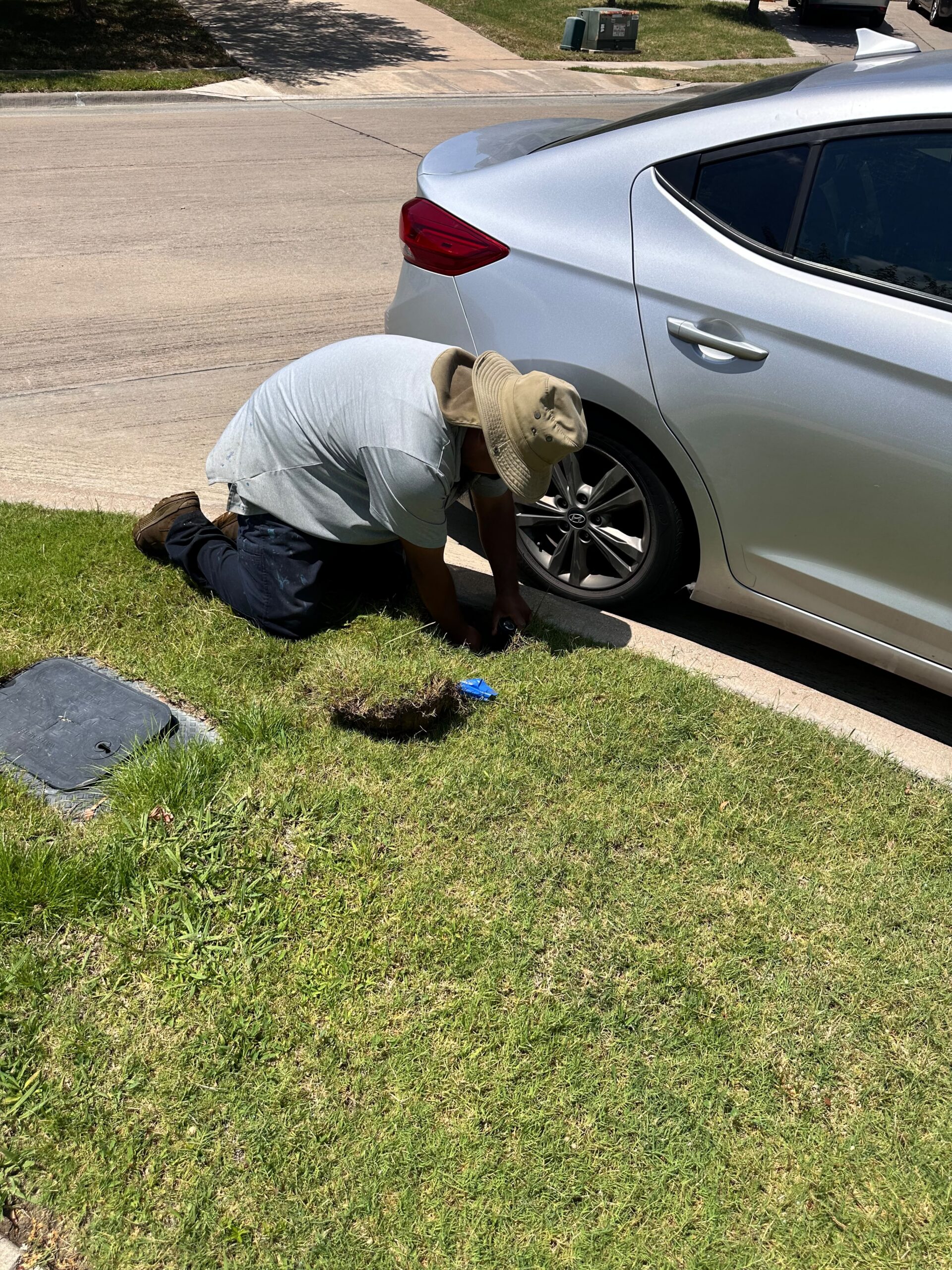
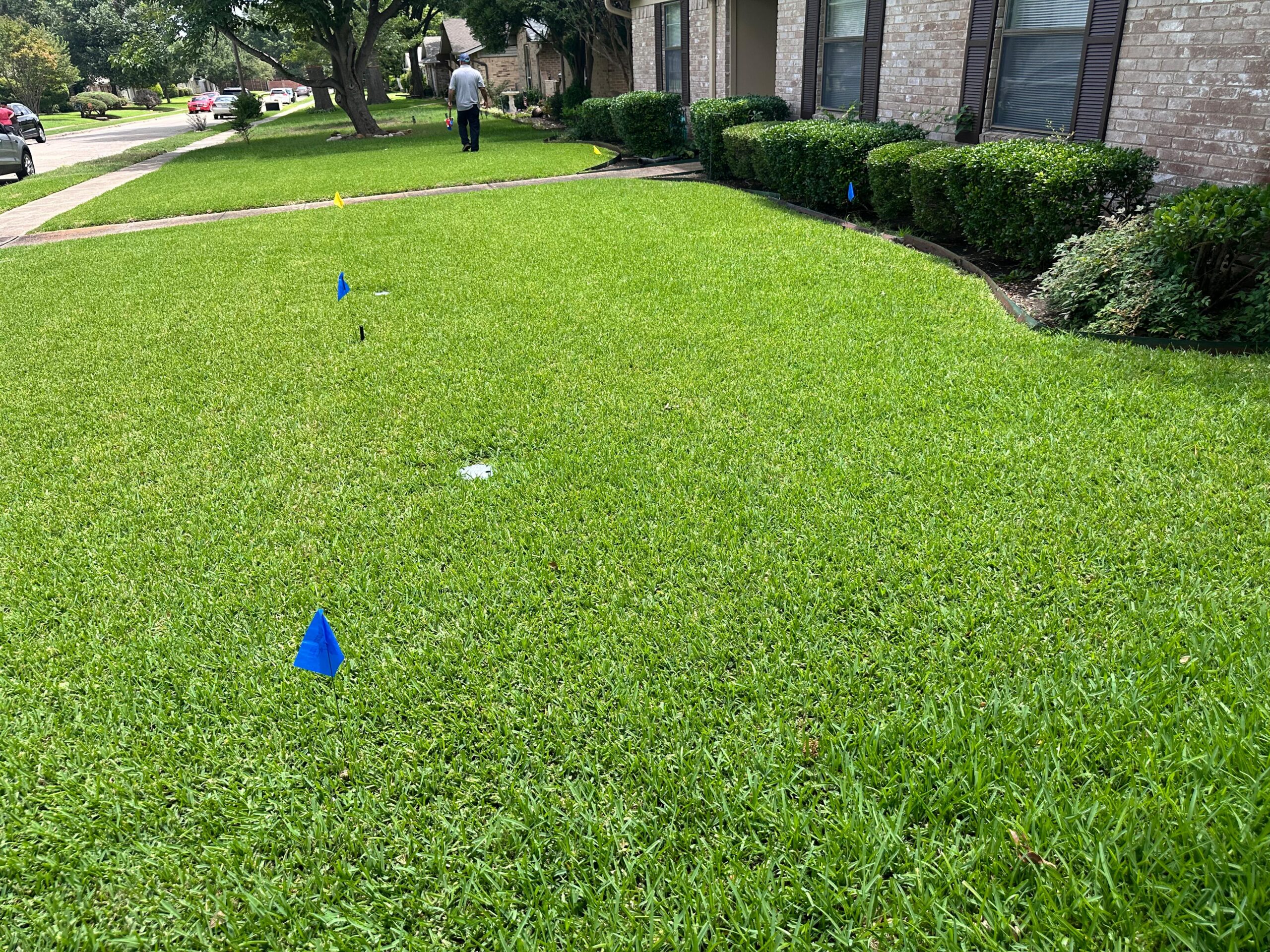
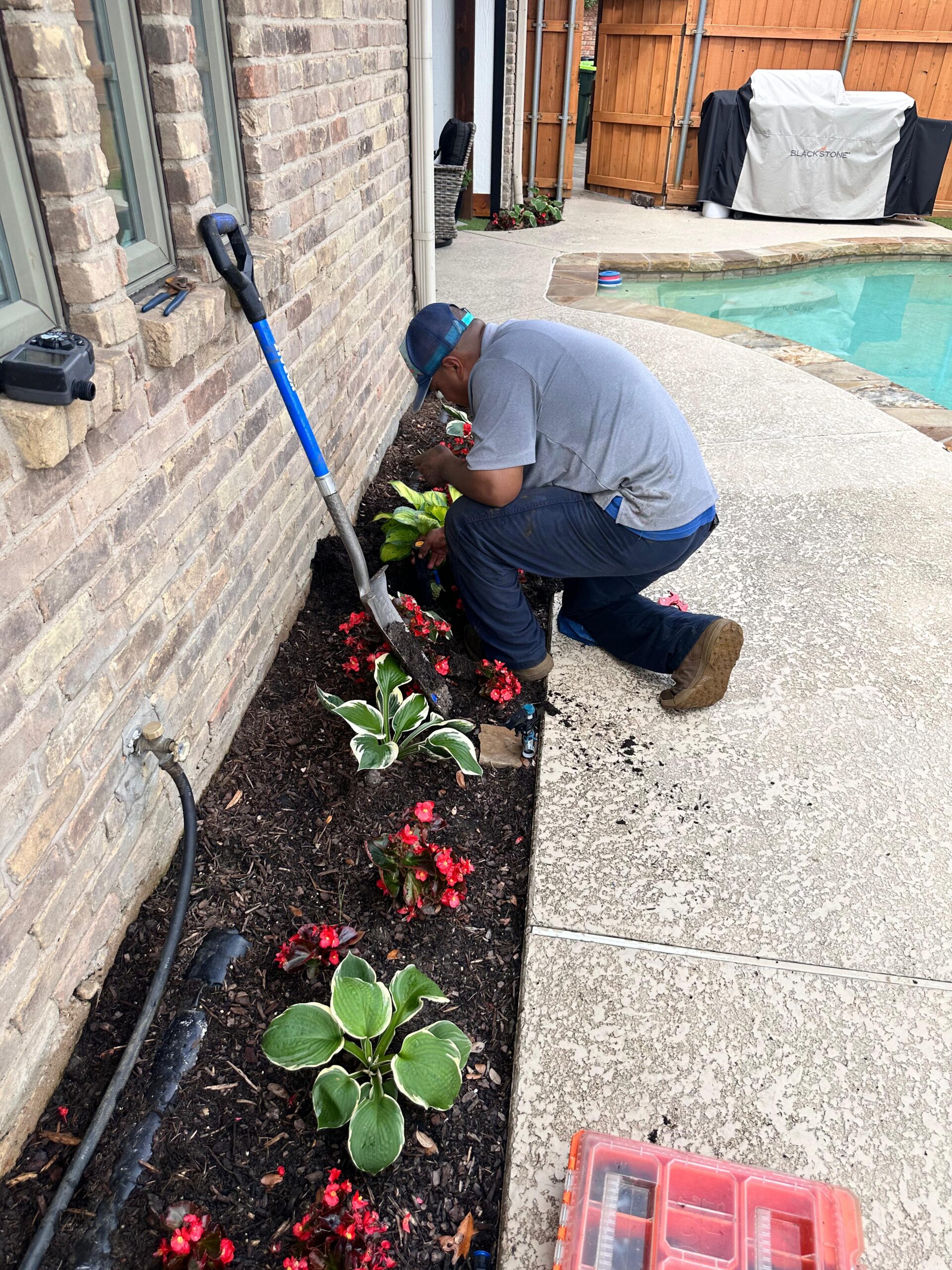
A sprinkler system in Prosper TX is designed to keep lawns and landscapes healthy while using water efficiently. However, hidden leaks can develop beneath the soil or inside irrigation components without obvious warning signs. Unlike broken sprinkler heads that spray water into the air, concealed leaks often remain unnoticed until they begin increasing water bills, creating unhealthy patches of grass, or reducing irrigation performance. Identifying these problems early helps homeowners avoid unnecessary water waste, landscape damage, and expensive repairs. Understanding the subtle warning signs of a hidden irrigation leak allows property owners to take action before a minor issue turns into a much larger problem.
Why Hidden Sprinkler Leaks Are Difficult To Detect
Many irrigation leaks occur underground where they cannot be seen during normal lawn maintenance. Water may slowly escape from cracked pipes, worn fittings, damaged valves, or leaking lateral lines without creating dramatic flooding.
Several factors make hidden leaks difficult to identify:
- Water disperses beneath the soil before reaching the surface.
- Healthy grass can temporarily absorb additional moisture.
- Automatic irrigation schedules may hide changes in system performance.
- Small leaks gradually worsen over time.
- Homeowners often assume seasonal weather changes are responsible for lawn problems.
Because irrigation systems operate on timers, many leaks happen early in the morning while homeowners are asleep, making them even easier to overlook.
According to the EPA WaterSense, irrigation system leaks are one of the leading causes of unnecessary outdoor water waste.
Common Causes Of Hidden Irrigation Leaks
Hidden leaks rarely appear without a reason. Most develop because irrigation components naturally wear over time or experience external damage.
Some common causes include:
- Aging PVC pipes
- Tree root intrusion
- Soil movement
- Ground settling
- Freeze damage
- Excessive water pressure
- Construction or landscaping accidents
- Worn valve seals
- Loose pipe fittings
- Damaged swing joints
Even professionally installed irrigation systems require periodic inspections because underground components continuously experience pressure changes and environmental stress.
Signs Your Sprinkler System in Prosper TX May Have A Hidden Leak
A sprinkler system in Prosper TX often provides several warning signs before a hidden leak becomes severe. Recognizing these indicators early can significantly reduce repair costs.
An Unexpected Increase In Your Water Bill
One of the earliest indicators is a sudden increase in monthly water usage despite no changes in irrigation schedules.
If your lawn receives the same watering time but your utility bill continues rising, underground water loss could be responsible.
Reviewing previous utility statements can help identify unusual consumption patterns that deserve further investigation.
Constantly Wet Areas In The Lawn
Water that continually collects in the same location may indicate an underground pipe leak.
Watch for:
- Muddy soil
- Standing water
- Soft ground
- Water pooling between irrigation cycles
- Areas that remain damp long after watering
Although heavy rainfall can temporarily saturate soil, persistent wet spots during dry weather deserve closer inspection.
Bright Green Patches Surrounded By Normal Grass
An isolated section of unusually lush grass often indicates additional moisture below the surface.
While greener grass might initially seem positive, uneven growth frequently suggests underground leakage rather than healthier irrigation.
The excess moisture continuously feeds one portion of the lawn while other areas receive normal watering.
Declining Water Pressure
If sprinkler heads no longer spray as far as they once did, water pressure may be escaping before reaching the irrigation zones.
Pressure loss can result in:
- Weak spray patterns
- Incomplete lawn coverage
- Short spray distances
- Uneven watering
Lower pressure doesn’t always indicate a leak, but it remains one of the most common symptoms of underground pipe damage.
Sprinkler Heads Bubbling Instead Of Spraying
When air enters irrigation lines because of leaking pipes, sprinkler heads may sputter, bubble, or release inconsistent streams of water.
Instead of producing uniform coverage, they may alternate between spraying and dripping.
This irregular performance often signals pressure loss somewhere beneath the landscape.
Erosion Around Sprinkler Components
Hidden leaks frequently wash away surrounding soil.
Signs include:
- Small sinkholes
- Exposed pipes
- Loose sprinkler heads
- Depressions forming around valves
- Soil shifting near irrigation boxes
Gradual erosion weakens surrounding landscaping while exposing underground irrigation components to additional damage.
Irrigation Zones That Never Fully Water
Leaks often prevent enough pressure from reaching the final sprinkler heads within a zone.
As a result:
- Some heads never pop up completely.
- Certain lawn sections remain dry.
- Coverage becomes inconsistent.
- Plants begin showing drought stress.
Homeowners sometimes replace sprinkler heads unnecessarily when the actual issue originates underground.
How Prosper’s Soil Conditions Affect Hidden Leaks
Prosper’s expanding clay soils create unique challenges for underground irrigation systems.
Clay soils naturally expand after rainfall and contract during prolonged dry periods.
This continuous movement places stress on underground pipes by:
- Shifting fittings
- Twisting joints
- Increasing pipe pressure
- Separating glued connections
As soil repeatedly moves throughout seasonal weather changes, small cracks may eventually develop into significant leaks.
The Texas A&M AgriLife Extension provides valuable information about soil behavior and water management practices that affect residential landscapes across Texas.
Seasonal Changes Can Make Leaks Worse
Minor irrigation leaks often become more noticeable during seasonal transitions.
Summer conditions increase irrigation demand, causing systems to operate longer.
Longer watering cycles expose weaknesses such as:
- Hairline pipe cracks
- Valve deterioration
- Worn seals
- Loose fittings
Conversely, colder temperatures can cause trapped water to expand inside pipes if systems are not properly maintained.
Routine seasonal inspections help identify vulnerable components before they fail completely.
Areas Where Hidden Leaks Frequently Develop
While leaks can occur anywhere within an irrigation system, technicians commonly find problems in several key locations.
These include:
Underground Lateral Lines
Lateral lines distribute water from irrigation valves to sprinkler heads.
Because they run throughout the property, they remain vulnerable to:
- Root growth
- Soil shifting
- Landscape projects
- Heavy equipment
Valve Boxes
Control valves regulate water flow to individual irrigation zones.
Over time, valve diaphragms and seals may deteriorate, allowing continuous leakage inside underground valve boxes.
These leaks often remain hidden beneath protective covers.
Pipe Connections
Every fitting represents a possible failure point.
Small connection leaks may gradually worsen as pipe pressure repeatedly changes during irrigation cycles.
Backflow Preventers
Although often installed above ground, leaking backflow assemblies may reduce system efficiency while allowing water to escape.
The Irrigation Association recommends regular inspections of irrigation components to improve system performance and conserve water.
How To Perform A Basic Leak Inspection
Homeowners can safely perform several visual inspections before scheduling professional service.
Begin by:
- Walking the lawn before irrigation starts.
- Running each irrigation zone individually.
- Looking for bubbling water.
- Checking for wet soil.
- Watching sprinkler head performance.
- Inspecting valve boxes.
- Listening for flowing water after irrigation shuts off.
Taking notes during the inspection makes it easier to identify recurring patterns across multiple watering cycles.
Why Ignoring A Hidden Leak Can Become Expensive
Even a small irrigation leak can waste a significant amount of water over time, leading to higher utility bills and unnecessary strain on your sprinkler system. As the problem persists, it may contribute to landscape decline, soil erosion, root damage, excess water runoff, and even foundation moisture issues.
Hidden leaks also reduce overall irrigation efficiency, causing uneven watering and stressed plants. If left unaddressed, underground damage can spread and require the replacement of additional system components, making repairs more extensive and costly. Addressing leaks promptly is typically far more affordable than waiting for minor issues to develop into major irrigation problems.
Modern Technology Makes Leak Detection More Accurate
Modern irrigation professionals use advanced diagnostic technology to locate hidden leaks accurately while minimizing unnecessary digging and landscape disruption. Instead of relying on guesswork, technicians perform pressure testing to identify water loss, flow analysis to detect abnormal water usage, and zone isolation to pinpoint the affected section of the system.
They may also use electronic valve testing to evaluate valve performance, moisture detection equipment to locate saturated soil, and acoustic leak detection devices to hear underground water escaping from damaged pipes. By combining these methods, professionals can quickly identify concealed leaks, reduce repair time, protect your landscape, and restore your irrigation system’s efficiency with greater precision.
Preventive Maintenance Reduces Future Leaks
Routine maintenance remains one of the most effective ways to reduce hidden irrigation problems.
A preventive inspection often includes:
- Checking sprinkler head alignment
- Testing water pressure
- Inspecting valves
- Examining pipe connections
- Reviewing controller programming
- Evaluating overall system coverage
Regular inspections help identify worn components before they develop into underground leaks.
The WaterSense Water Budget Tool can also help homeowners estimate efficient outdoor water use based on landscape needs.
When Should You Schedule A Professional Inspection?
Professional evaluation is recommended whenever multiple warning signs appear simultaneously.
Consider scheduling an inspection if you notice:
- Rising water bills
- Persistent wet spots
- Declining sprinkler performance
- Low water pressure
- Bubbling sprinkler heads
- Uneven lawn growth
- Soggy valve boxes
- Constant water flow sounds
Early diagnosis allows irrigation problems to be corrected before they affect the health of your landscape or result in extensive underground repairs.
Conclusion
A hidden leak can quietly reduce the performance of your sprinkler system in Prosper TX, increase water usage, and cause unnecessary damage to your lawn if left unresolved. Recognizing early warning signs such as wet areas, uneven watering, pressure loss, or rising water bills allows homeowners to address problems before they become more expensive. If you suspect your irrigation system has a concealed leak, professional inspection and accurate diagnostics can help restore efficiency and protect your landscape.
For reliable irrigation services, contact Whale Done Sprinklers & Irrigation to schedule an inspection of your sprinkler system in Prosper TX.
Phone: +1 (469) 384-7767
Email: clientsupport@callwhaledone.com